Advice
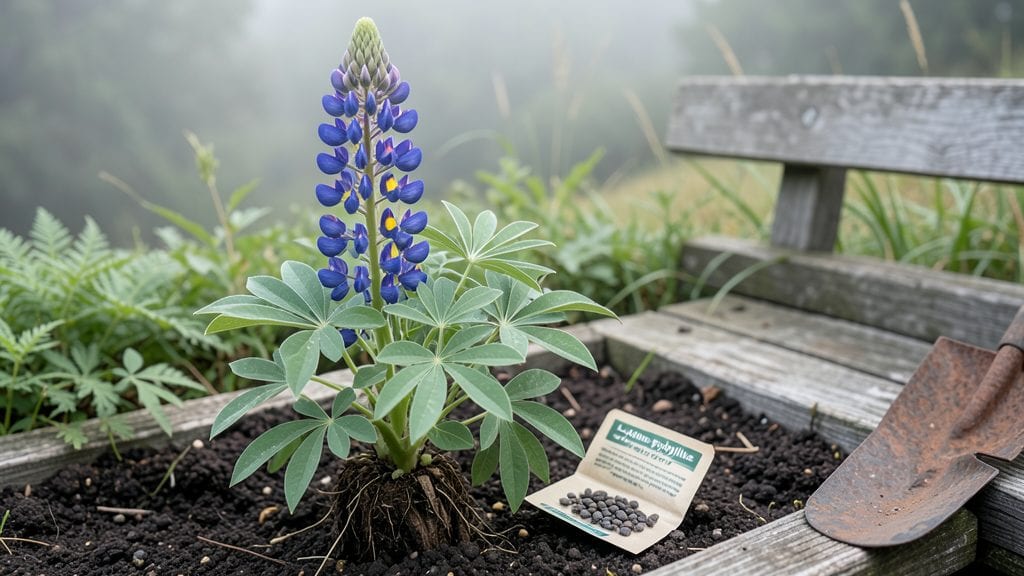
Zone 6 seeds thrive in climates with winter lows of -10°F to 0°F, requiring cold-hardy varieties like kale, spinach, and hardy perennials. Plant cool-season crops in early spring or late summer for optimal growth, while warm-season seeds need soil temperatures above 60°F.
Choosing the right seeds for Zone 6 means focusing on varieties that can handle freezing temperatures while still delivering strong yields. 🌱 The key is selecting plants with natural frost resistance—like Swiss chard or winter rye—which can survive light freezes and even snow cover.
I’ve found that perennials like asparagus and rhubarb become especially reliable once established, often outlasting annuals in harsh winters.
For warm-season crops, timing is everything. Most seeds won’t germinate until soil reaches 60°F, so waiting for late spring or early summer is critical. A soil thermometer helps avoid guesswork, while succession planting—like sowing beans every 2-3 weeks—keeps harvests coming all season.
My biggest lesson? Overplanting warm-season crops too early leads to leggy, weak seedlings that struggle when frost finally arrives.
💡 In This Article
- Understanding Zone 6 Seed Hardiness Requirements
- Optimal Planting Schedule for Zone 6 Gardens
Understanding Zone 6 seed hardiness requirements
The science behind cold tolerance in Zone 6 plants starts with their cellular adaptations. When temperatures drop below 32°F, many hardy varieties produce antifreeze proteins that prevent ice crystals from forming within plant cells.
These proteins—similar to those found in cold-water fish—bind to ice nuclei, stopping them from growing larger. 🌱 For example, kale and spinach can survive down to -20°F once established, thanks to these natural compounds.
Annuals like peas and lettuce rely on rapid growth cycles to complete their life span before winter sets in, while perennials like asparagus develop thick, woody stems that insulate their growing points.
Soil temperature thresholds for germination are equally critical. Most cool-season seeds need soil between 40°F and 60°F to sprout, which is why early spring planting works well in Zone 6. Warm-season crops, however, stall below 60°F—their enzymes become inactive, halting growth.
Seed packets often list these thresholds under "soil temperature for germination," but don’t assume all seeds marked "Zone 6" are equally cold-hardy. For instance, broccoli and cabbage can handle -15°F once mature, while tomatoes and peppers will die in light frost. Always check the packet for specific hardiness ratings.
Interpreting seed packets correctly saves time and frustration. Look for terms like "cold-hardy," "winter-kill," or "tender annual" to distinguish between resilient and delicate varieties. Perennials like thyme and lavender often outperform annuals in Zone 6 because their root systems develop deep, insulating layers over time.
Annuals, however, can be trickier—they may survive light freezes but will bolt (flower prematurely) if exposed to prolonged cold. 🌿 This is why succession planting works so well: you’re replacing vulnerable seedlings with fresh ones as conditions improve.
One common misconception is that all Zone 6 plants thrive equally in winter. In reality, some varieties—like Swiss chard and winter rye—actively benefit from cold snaps, converting starches into sugars for sweeter harvests. Others, like carrots, develop woody cores if exposed to too much frost.
The key is matching your planting schedule to the plant’s natural growth rhythm. For example, planting garlic in fall lets it establish roots before winter, while spring-planted onions avoid the same stress. This timing difference explains why some gardeners swear by "fall planting" for certain crops.
Advanced gardeners often use mulch to extend the growing season. A thick layer of straw or leaves can raise soil temperatures by 5-10°F during the day while protecting roots at night. This technique works because organic mulch decomposes slowly, releasing heat as it breaks down—a process called "insulative decomposition."
For container gardens in Zone 6, wrapping pots in bubble wrap or using heat mats can push soil temps up by 10-15°F, making it possible to grow warm-season crops like peppers a few weeks earlier. The trade-off? Mulch must be removed in late spring to avoid overheating the soil.
Here’s what most gardeners don’t realize: even within Zone 6, microclimates create huge differences. A south-facing wall can add 5-10°F of warmth, while a low-lying area might experience 5°F colder nights. This is why professional growers use frost clocks—devices that track local temperature patterns—to fine-tune planting dates.
For home gardeners, a simple trick is observing nearby plants: if your neighbor’s roses bloom early, your last frost likely came sooner than the average date. 🌸 Adjust your schedule accordingly.