Pruning
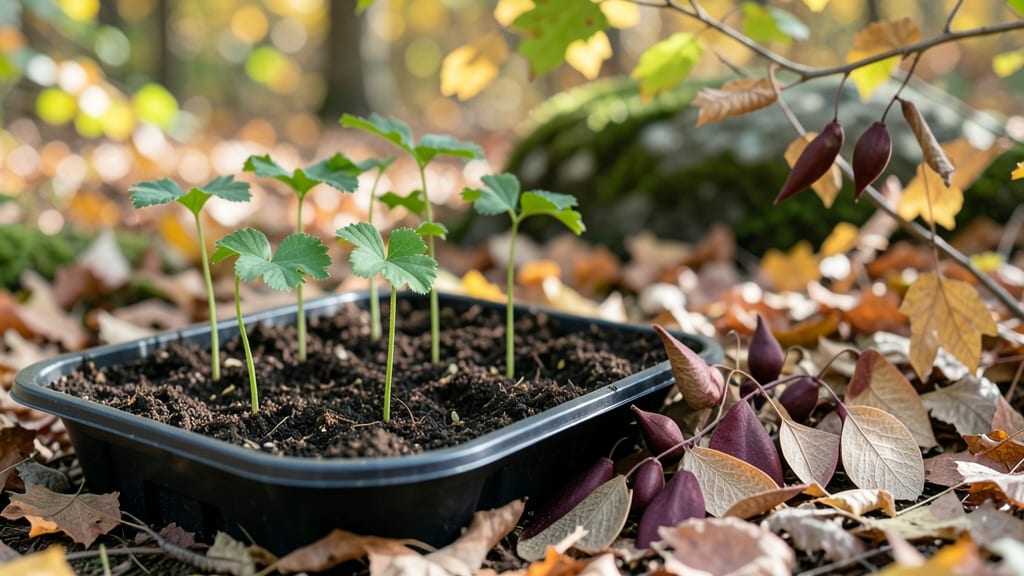
Identifying tree seeds starts with a single question: What am I actually holding? 🌿 I’ve spent years sorting through seed collections—some smooth and shiny, others fuzzy or winged—and learned the telltale signs that separate a viable acorn from a dried-up husk.
The key isn’t memorizing names; it’s noticing the shape, size, and texture that match common varieties like oaks, maples, or pines.
Take a magnifying glass and a field guide (or your phone’s plant ID app), and you’ll spot patterns: a maple seed’s helicopter wings, an oak’s cap-like husk, or a pinecone’s papery scales.
Even the color matters—a fresh walnut’s brown shell vs. a dried-out husk’s cracked edges. Most seeds have one defining feature that makes them unmistakable once you know what to look for.
You’ll quickly tell which seeds are ready to plant—plump, firm, and free of cracks—from the ones that’ll crumble in your hand. A simple float test (drop in water) separates viable seeds from the rest.
Within weeks, you’ll be growing saplings from seeds you collected yourself, watching them sprout into something recognizable.
This works for backyard gardeners, forest foragers, or anyone curious about the trees around them. The same skills help you save seeds from your own yard or identify wildlings you’d like to transplant. Let’s get started with the visual clues that turn mystery seeds into future trees.
The Hidden Triggers Behind Seed Confusion
Understanding why tree seeds can be so tricky to identify starts with recognizing the natural and environmental factors that influence their appearance. Whether you're a gardener, forester, or curious nature enthusiast, these causes can make even the most common seeds look unfamiliar.
Let’s break down the key reasons why identifying tree seeds isn’t always straightforward.
Tree seeds come in an astonishing variety of shapes, sizes, and textures—even within the same species. This diversity is often the result of evolutionary adaptations that help seeds survive in different environments.
For example: - Winged seeds (like those from maples or ashes) rely on wind dispersal, so their lightweight, papery structures are designed to float efficiently. - Fleshy fruits (such as those from cherries or apples) attract animals, which then spread the seeds in their droppings.
The seed inside is often small, hard, and embedded in a juicy, colorful exterior. - Spiny or hard-coated seeds (like acorns or hickory nuts) are built to resist predators and harsh conditions, making them look completely different from softer, flatter seeds.
Pro Tip: 💡 If a seed looks drastically different from what you expected, check whether it’s still inside its fruit or has been exposed to environmental wear. A seed’s "true form" might only reveal itself after drying or cleaning.
Seeds don’t stay pristine forever. Once they’re released from their parent tree, they’re exposed to sun, rain, wind, and wildlife, which can alter their appearance.
Common changes include: - Discoloration: Seeds left on the ground may fade from bright colors to dull browns or grays due to oxidation and fungal growth. - Physical damage: Scratches, cracks, or even partial erosion can make a seed look unrecognizable.
For instance, a smooth walnut might develop rough patches after rolling across rocky soil. - Moisture absorption: Seeds like those from willows or cottonwoods can swell or shrink depending on humidity, changing their shape entirely.
Actionable Tip: 🌡️ If you’re comparing a seed to a reference guide, try soaking it in water for a few hours to restore its natural shape—some seeds "remember" their original form when hydrated!
Seeds don’t exist in a vacuum—they’re often moved, eaten, or modified by animals, insects, and even humans. Here’s how interference affects identification: - Animal digestion: Birds, squirrels, and deer may chew or partially consume seeds, leaving behind fragments that look nothing like the original.
For example, a blue jay might crack open a black cherry pit but leave the seed intact—or not. - Insect damage: Beetles, weevils, or moths can bore into seeds, creating holes or altering their internal structure.
A healthy oak acorn might become riddled with tunnels if infested. - Human processing: Some seeds are cleaned, roasted, or even artificially dyed (like dyed corn seeds for gardening). A seed packet might show a bright, uniform color, while a wild seed could be mottled and irregular.
Pro Tip: ✨ If you’re unsure whether a seed has been tampered with, examine it under good light. Look for unusual patterns, missing pieces, or residues (like oil stains from processing).
Not all seeds from the same species look identical—where and when they grow plays a huge role.
Factors like: - Climate: Seeds in arid regions might be smaller or tougher to conserve water, while tropical seeds could be larger and softer. - Altitude: High-elevation seeds (like those from mountain pines) may develop thicker shells to withstand frost. - Yearly fluctuations: A drought or late frost can stunt seed development, resulting in misshapen or underdeveloped specimens.
Example: A sugar maple seed from Vermont might have slightly different wing proportions than one from Canada due to genetic adaptation to colder climates.
Sometimes, seeds just aren’t what they seem:
- Immature seeds: If a seed doesn’t fully mature (due to poor pollination or early frost), it may lack defining features, like a soft, undeveloped husk instead of a hard shell.
- Hybridization: Cross-pollination between tree species can produce seeds that blend traits—imagine a seed that’s part oak and part hickory, with a shape neither guidebook covers!
- Parasitic or diseased seeds: Fungal infections or gall-forming insects can create abnormal growths that mimic seeds but aren’t viable.
Key Takeaway: 🎯 If a seed defies all identification attempts, consider whether it’s a hybrid or an anomaly. Cross-referencing with local botanical databases (like iNaturalist) can help narrow it down.
Quick Fixes for Tree Seed ID Confusion
Struggling to tell a walnut from a maple or a pinecone from a dandelion seed? Don’t worry—with the right tools and techniques, you can master tree seed identification in no time.
Below, we break down practical solutions for common challenges, whether you're dealing with similar-looking seeds, missing key features, or seasonal limitations. Plus, we’ve included pro tips to prevent future mix-ups!
If two seeds (like elm and ash) seem nearly identical, a side-by-side comparison is your best friend. Here’s how:
- 📸 Step 1: Take High-Quality Photos Capture close-ups of the seed’s shape, texture, and color in natural light. Use a 10x magnifying glass or smartphone macro lens for details like winged edges or fuzzy hairs.
- 📊 Step 2: Create a Simple Table Organize key traits in a table for quick reference. Example:
| Seed Type | Shape | Size (approx.) | Distinct Features | Common Location |
|---|---|---|---|---|
| Maple | Triangular | 1–2 inches | Winged edges, flat | Under maple trees |
| Ash | Oval | 1–1.5 inches | Smooth, no wings, pointed tip | Near ash trees |
- 💡 Pro Tip: Bookmark official seed databases like the USDA Plants Database for instant cross-checking.
Some seeds (like oak acorns vs. beech nuts) hide clues in their surroundings or growth habits.
- 🌳 Step 1: Examine the Parent Tree
- Leaf Shape: A white oak acorn comes from lobed leaves; a red oak has bristle-tipped lobes.
- Bark Texture: Birch seeds (samaras) grow on papery-barked trees, while hickory seeds drop from rough, ridged bark.
- 🔬 Step 2: Test for Hidden Traits
- Floating Test: Drop seeds in water—maple samaras float (winged), while buckeye seeds sink (smooth, dense).
- Smell/Taste (Caution!): Some seeds, like black walnut, have a distinctive odor when crushed. Never ingest unknown seeds!
- 🌡️ Pro Tip: Use a handheld UV light—some seeds (like cottonwood) fluoresce under UV, revealing hidden patterns.
Rain, wind, or late falls can wash away or obscure seeds. Beat the clock with these strategies:
- 🍂 Step 1: Time Your Collection
- Early Fall: Best for maple, ash, and oak seeds (they drop before leaf fall).
- Late Fall/Winter: Pinecones and birch seeds are easier to spot after snow or frost highlights them.
- Spring: Look for dandelion puffs or elm samaras before new growth obscures them.
- 🌧️ Step 2: Dry and Preserve Seeds Spread seeds on paper towels in a warm, dry place (like a sunny windowsill) for 1–2 days to prevent mold. Store in airtight containers with silica gel packets for long-term ID.
- ✨ Pro Tip: Use a seed tray with labeled sections to organize finds by tree type—great for tracking patterns over seasons!
Once you’ve nailed the basics, keep these habits to stay ahead:
- 📅 Keep a Seed Journal Note the date, location, and conditions when you collect seeds. Over time, you’ll recognize seasonal patterns (e.g., hickory nuts ripen later than walnuts).
- 🌱 Grow a Test Garden Plant a few mystery seeds in pots and observe their leaf shape or growth speed. This hands-on method reveals hidden traits faster than guessing.
- 🤝 Join Local Forums Groups like r/whatsthisplant or iNaturalist let you submit photos for crowd-sourced IDs. Bonus: You’ll learn regional variations!
Remember: Even experts misidentify seeds at first—practice, patience, and a little curiosity are your best tools. Happy hunting! 🌳🔍
Frequently asked questions about tree seed identification
How do I tell the difference between an oak acorn and a hickory nut?
Look at the cap shape and shell texture. Oak acorns have a smooth, bowl-shaped cap that covers about 1/3 of the nut, while hickory nuts have a rough, ridged shell and a cap that only covers the top. Hickory nuts also have a four-sided shape when mature.
Can I identify tree seeds without a microscope?
Use a 10x magnifying glass or smartphone macro lens to examine texture, color, and tiny details like wing edges or fuzzy hairs. Most key features (shape, size, and distinct markings) are visible without magnification—just compare with photos from field guides or apps like LeafSnap.
Why do some seeds look different from what’s in my guidebook?
Seeds change over time due to weathering, animal damage, or processing. A cracked walnut shell or a faded maple samara might not match fresh examples. Try soaking seeds in water for a few hours—they often return to their original shape. Also, check if the seed is still inside its fruit (like a cherry pit) before comparing.
What’s the best time of year to collect tree seeds?
Timing varies by species, but early fall is ideal for most hardwoods (oaks, maples, ashes). Pinecones open in late fall/winter, while spring brings elm samaras and dandelion puffs. Pro tip: Watch for seed drop patterns—many trees release seeds before leaves fully fall.
How do I know if a seed is still viable for planting?
Test viability with a float test: Drop seeds in water—viable ones sink (like walnuts or buckeyes), while empty or damaged ones float (like old maple samaras). For tough shells (acorns), gently crack them open—look for a plump, white embryo inside. Store seeds in a cool, dry place until planting.