Vegetables
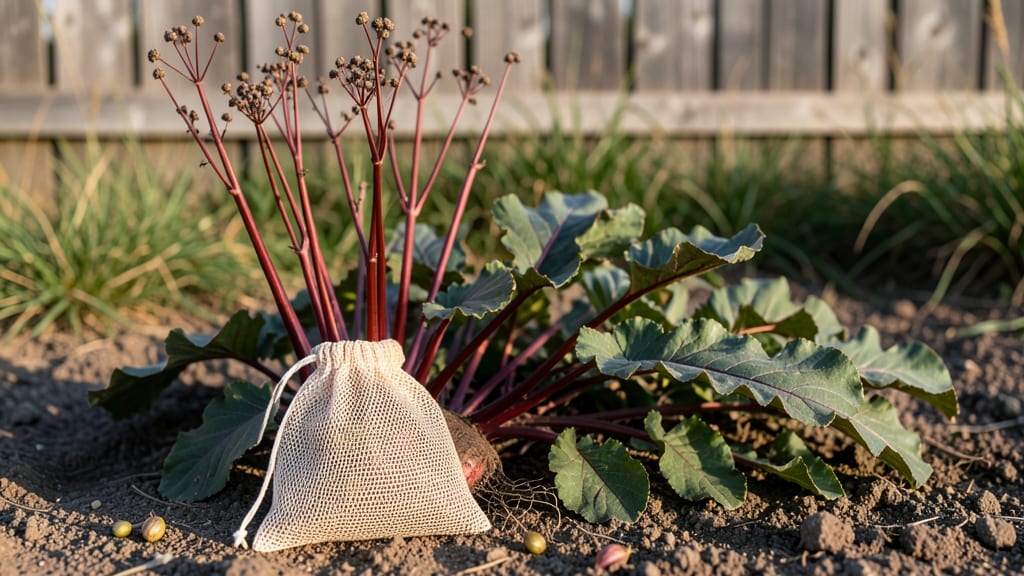
Harvesting beetroot seeds at the right moment turns your garden into a seed bank for next year’s 🍠 harvest.
Beetroot seeds are a gardener’s hidden treasure—packed with nutrients and easy to grow—but harvesting them at the wrong time can mean wasted effort. One year, I missed the window and ended up with shriveled seeds that wouldn’t sprout, and I’ve never looked back since.
Timing is everything: too early, and the seeds won’t germinate; too late, and they lose viability. The key is watching for those telltale brown pods that rattle when shaken—a sure sign your beetroot plants are ready to share their genetic legacy.
In this guide, I’ll walk you through the exact steps to harvest, dry, and store beetroot seeds so you’re ready to replant with confidence in spring.
When to harvest beetroot seeds for optimal viability
Harvesting beetroot seeds at the right time ensures high germination rates and healthy plants for next season. Timing is everything—too early, and seeds won’t mature; too late, and they lose viability. The key is watching for visual cues and understanding the plant’s natural cycle after flowering.
Beetroot plants typically take 60-90 days to produce flowers, followed by 4-6 weeks for seeds to mature. This means seed readiness usually falls between July and September in most climates, depending on your planting window. Pay close attention to pod color and leaf condition to pinpoint the exact moment.
Start by identifying the optimum harvest window, which occurs when seed pods turn from green to dry brown and develop a papery texture. This usually happens 42-56 days after flowering, but environmental factors like temperature and humidity can shift this timeline. A simple shake test works too—mature pods rattle when gently shaken, indicating dry seeds inside. Watch for leaf changes as another key indicator. As seeds mature, the beetroot plant’s leaves will yellow and die back, redirecting energy to seed production. This is nature’s way of signaling that the plant is ready for harvest. If leaves remain green and vigorous, your seeds likely need more time. Timing is critical because overripe seeds lose viability quickly. Once pods split open or seeds turn black inside, they’re past their prime. These seeds may still germinate, but rates drop significantly. To avoid this, harvest seeds before pods crack—cut them off with clean scissors and lay them out to dry in a well-ventilated area. Environmental cues also play a role. Cool, dry weather accelerates seed drying, while humid conditions can prolong moisture retention, delaying harvest. If rain is forecasted, prioritize harvesting to prevent mold or rot in the pods. Store harvested seeds in a cool, dry place (like a paper envelope) until fully dry—typically 1-2 weeks. For gardeners in warmer climates, seeds may mature faster—sometimes in as little as 35 days after flowering. Conversely, cooler regions might extend this to 60 days or more. Always adjust your harvesting schedule based on local weather patterns and your specific beetroot variety, as some types mature quicker than others. One common mistake is harvesting seeds too early because the pods look dry. Immature seeds will be light-colored and soft, often resulting in poor germination. To test readiness, gently squeeze a pod—if it feels hard and papery, it’s ready. If it’s still pliable, wait a few more days before harvesting. Pro tip: Label your seed packets with the harvest date and variety name. This helps track viability over time and ensures you’re planting the right seeds next season. With the right timing and care, your beetroot seeds can maintain 90%+ germination rates for up to 3 years when stored properly.
Stage
Visual Cues
Days After Flowering
Action
Early Flowering
Bright yellow flowers appear
0-14 days
Observe plant health; avoid fertilizing
Seed Pod Formation
Small green pods develop
14-28 days
Monitor for pests; reduce watering
Optimal Harvest Window
Brown, dry pods that rattle when shaken
42-56 days
Harvest seeds immediately
Overripe Stage
Pods split open or seeds turn black
60+ days
Avoid harvesting; seeds lose viability
Step-by-step process for extracting and storing beetroot seeds
Once your beetroot plants have produced dry, brown seed pods, the next critical step is extracting and storing the seeds properly. Improper handling can reduce germination rates or introduce mold risks.
With the right tools and techniques, you can preserve seeds for up to 3-5 years while maintaining their viability. Start by gathering essential supplies to ensure a smooth process.
Gather these basic tools before beginning: a pair of clean scissors or pruners, a paper bag or envelope for drying, a fine mesh sieve or colander, and paper towels for cleaning. For drying, you’ll need either a cool, dry location or an oven set to low heat.
Optional tools include a dehumidifier or silica gel packets for long-term storage to prevent moisture buildup.
Step-by-Step Guide to Harvesting and Storing Beetroot Seeds
-
Step 1: Harvest the Seed Pods
Gently snip off the dry, brown seed pods using clean scissors. Place them in a paper bag to allow airflow while preventing debris from entering.
-
Step 2: Dry the Seed Pods
Spread the pods on a clean, dry surface or hang them upside down in a well-ventilated area for 1-2 weeks. For faster drying, use an oven at 120°F (49°C) for 1-2 hours, checking frequently.
-
Step 3: Extract the Seeds
Once completely dry, crush the pods with your fingers or a rolling pin to release the seeds. Use a fine mesh sieve to separate seeds from chaff and debris.
-
Step 4: Clean the Seeds
Rinse the seeds under cool water to remove any remaining plant matter. Spread them on a paper towel to air-dry for 24 hours, ensuring no moisture remains.
-
Step 5: Store the Seeds
Place the dry seeds in a paper envelope or airtight container. Add a silica gel packet to absorb moisture, then store in a cool, dark place like a fridge or seed vault.
After extracting the seeds, label your storage container with the variety name and harvest date to track viability. Beetroot seeds typically retain 90% germination for 3 years if stored properly, but test a few seeds annually to confirm their readiness for planting.
Avoid plastic bags, as they trap moisture and encourage mold growth.
For long-term storage, consider using mason jars with oxygen absorbers to extend seed life even further. Check your seeds every 6 months for signs of pest infestation or moisture damage. If you notice any issues, transfer the seeds to a new container immediately to prevent loss.
Properly stored beetroot seeds are a cost-effective way to ensure a steady supply for future gardens.
If you encounter low germination rates, try stratifying the seeds by placing them in a moist paper towel in the fridge for 1-2 weeks before planting.
This mimics natural conditions and can improve viability. With these steps, your homegrown beetroot seeds will be ready to plant with confidence next season.