Planting
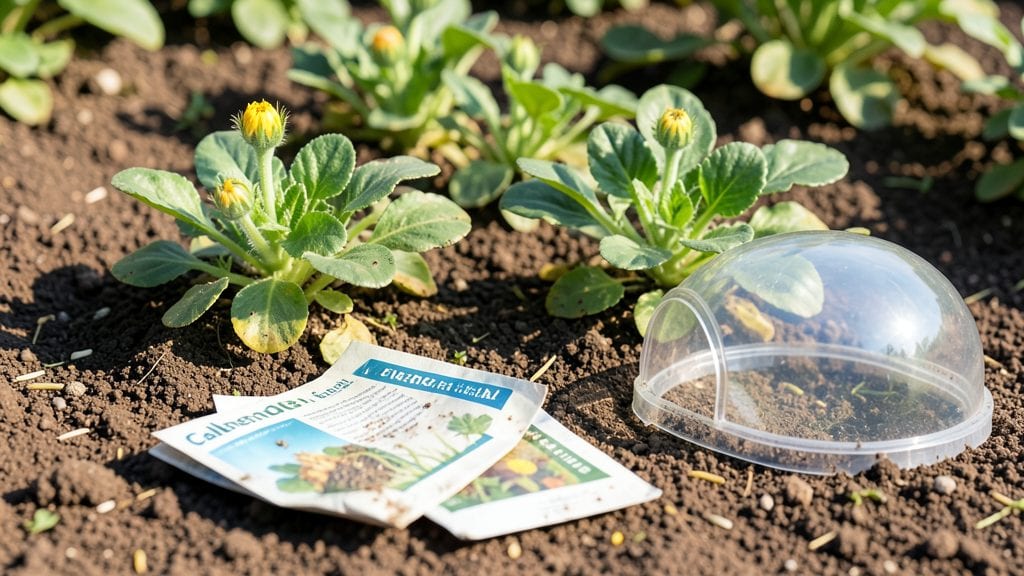
Cold sowing seeds in fall means you get a head start on spring harvests without the springtime rush. I’ve been doing this for years, and those first tender greens in April always make my neighbors jealous—especially when they’re still waiting for soil to thaw.
The trick is letting winter do the work for you while protecting seeds just enough to survive the cold.
You’ll need a spot with partial shade (like under trees), some mulch or straw for insulation, and seeds that handle frost—think arugula, spinach, kale, or lettuce. The soil stays workable, and seedlings emerge stronger once temperatures warm.
It’s not about forcing growth; it’s about giving nature a little nudge when it’s ready. My first attempt with radishes was a disaster (they bolted early), but once I learned which varieties thrive, the results became foolproof.
By late winter, you’ll have hardy seedlings ready to take off when spring arrives. The plants develop deeper roots and resist pests better than store-bought starts. Plus, you skip the risk of transplant shock—something that always frustrated me with traditional spring planting.
The key is timing: sow too early, and seeds rot; too late, and they’ll struggle with winter’s chill. I now mark my calendar for 6-8 weeks before last frost in my zone.
This method works in zones 3-7, though adjustments are needed for colder or wetter climates. In drier areas, extra mulch keeps moisture in; in soggy spots, raised beds prevent waterlogging. The payoff?
Fresh greens when everyone else is still waiting for their garden to wake up. Ready to try it? Let’s get those seeds in the ground before the first frost.
📚 In This Guide
- What you need
- Instructions
- Tips and common mistakes
- Wrapping up and next steps
What you need
- ● Seeds: Choose cold-hardy varieties like lettuce, spinach, peas, kale, or arugula. Opt for organic, non-GMO seeds if possible (1–2 packets per crop).
- ● Garden bed or containers: Well-draining soil (loamy or sandy texture preferred).
- ● Raised beds, pots (minimum 6" deep), or in-ground plots.
- ● Mulch: Straw, shredded leaves, or pine needles (2–4 inches thick). Avoid plastic or dense materials.
- ● Watering can or hose: With a gentle spray nozzle for even moisture.
- ● Gloves and knee pads: For comfortable prep work.
- ● Row covers or frost cloth: Lightweight fabric to protect seedlings from harsh winter winds (1–2 per bed).
- ● Seedling heat mat: For containers in extremely cold climates.
- ● Pest deterrents: Copper tape or diatomaceous earth to ward off critters.
- ● Plant labels: To track varieties and sowing dates.
- ● Soil thermometer: To monitor temperatures (ideal range: 35–45°F).
Step-by-Step instructions for cold sowing seeds
This method lets you plant seeds in late fall for fresh, early spring harvests—here’s how to do it right.
Choose the Right Seeds and Location
Cold sowing works best with biennials and hardy perennials like parsley, cilantro, chives, and some lettuce varieties. Avoid tender annuals that won’t survive winter frost. Select a well-draining spot in full sun or partial shade—where soil won’t stay soggy when rains come.
I always test the soil first by pressing a finger into the ground. If it feels damp but not wet, it’s ready. If it’s bone-dry, water the area lightly before sowing. The goal is to mimic natural conditions where seeds would drop and overwinter in the wild.
Prepare the Soil and Sow Seeds
Loosen the top 2-3 inches of soil with a hand fork or trowel to break up compaction. This helps roots establish without struggling. Scatter seeds thinly—about ½ inch apart—since they’ll germinate slowly in spring. Cover them with a light dusting of soil, just enough to hide them from birds but not bury them too deep.
Water gently with a spray bottle or fine rose attachment to avoid displacing seeds. You want the soil moist but not saturated. I like to water in the late afternoon so any excess moisture evaporates overnight, reducing the risk of rot.
Protect and Monitor Until Spring
Lightly mulch with 1-2 inches of straw or leaves to insulate seeds from extreme temperature swings. This keeps them from freezing solid or drying out. Avoid heavy mulch—too much can suffocate seeds or trap too much moisture.
Check on your sowing every 2-3 weeks during mild spells to ensure the mulch hasn’t shifted or compacted. If heavy rains occur, fluff the mulch to prevent waterlogging. You won’t see growth until spring, but the seeds are already hardy and ready to sprout when temperatures rise.
Thin and Care for Early Spring Growth
Once shoots appear in early spring, wait until they’re 1-2 inches tall before thinning. Use scissors to snip unwanted seedlings at soil level—this prevents disturbing roots of nearby plants. Space remaining seedlings 6-12 inches apart, depending on the variety.
Water lightly at the base, keeping soil consistently moist but never soggy. Young seedlings are delicate, so avoid overhead watering, which can spread disease. You’ll notice faster growth as days lengthen—this is your signal to start fertilizing lightly with a balanced organic feed.
Tips & tricks for perfect cold sowing success
Cold sowing seeds is all about patience and preparation—here’s how to maximize your chances of a thriving spring garden.
Seed Selection Matters: Stick to biennials and hardy perennials like parsley, cilantro, and chives since they can withstand winter’s chill. For extra insurance, choose varieties with high germination rates—this is especially important when relying on nature’s timing. I’ve found that organic seeds often have better viability after overwintering, so look for reputable organic seed suppliers if possible.
Soil Prep is Non-Negotiable: In Step 2, when loosening the top 2-3 inches of soil, go a little deeper if your garden has heavy clay. This prevents compaction that could strangle young roots when spring arrives. After sowing, I press down very lightly with my fingers to ensure good seed-to-soil contact—this helps prevent seeds from washing away during winter rains.
Mulch Like a Pro: The 1-2 inches of mulch in Step 3 is your seeds’ winter blanket, but don’t skimp on quality. I prefer straw over leaves because it breaks down more evenly and won’t mat down into a dense layer. If you’re using leaves, shred them first to create more air pockets. This small adjustment makes all the difference in preventing seed suffocation.
Spring Checklist: When shoots appear in Step 4, resist the urge to thin too early. Wait until they’re 1-2 inches tall—this gives roots time to establish before handling. I’ve learned the hard way that thin seedlings can’t recover from early disturbance, so patience here pays off with stronger plants. Also, mark your sowing location with small stakes or flags so you don’t accidentally disturb them when working nearby.
Pro Tips for Cold Sowing Seeds
- Cold sowing seeds is all about patience and preparation—here’s how to maximize your chances of a thriving spring garden.
- Seed Selection Matters: Stick to biennials and hardy perennials like parsley, cilantro, and chives since they can withstand winter’s chill.
- Soil Prep is Non-Negotiable: In Step 2, when loosening the top 2-3 inches of soil, go a little deeper if your garden has heavy clay.
Frequently asked questions
Got questions about cold sowing? You’re not alone—this method can feel a little mysterious at first! Here are some of the most common queries (and answers) to help you get started with confidence.
What seeds are best for cold sowing?
Cold sowing works best with hardy, slow-to-germinate seeds like lettuce, spinach, kale, carrots, and parsley. Avoid tender crops (e.g., tomatoes, peppers) or seeds that rot in cold, wet soil. Check seed packets for "cold-hardy" labels or research varieties known for overwintering success.
When should I start cold sowing?
Timing depends on your climate, but aim to sow 6–8 weeks before your first expected frost in fall. For example, in Zone 5, this might be late September to early October. The key is to let seeds experience winter’s chill (stratification) without germinating too early. If soil is frozen, wait until it thaws slightly.
How do I protect seeds from rodents or birds?
Use fine mesh hardware cloth or wire cages to shield seedlings from hungry critters. Bury the mesh 1–2 inches deep around the planting area. For birds, try row covers or cloche bells once sprouts appear. A light sprinkle of hot pepper flakes (mildly repellent) near the bed can also help—just avoid overdoing it!
What if my seeds rot or mold over winter?
Rot or mold often happens from too much moisture or poor drainage. To prevent this:
- Choose well-draining soil (amend with compost or sand if needed).
- Avoid watering after sowing—let nature handle it.
- Use straw mulch (2–3 inches) to insulate and regulate moisture.
- Sow in raised beds or containers if your soil stays soggy.
Can I cold sow in containers or just in the ground?
Containers are great for cold sowing, especially in cold climates or urban spaces. Use deep pots (6+ inches) with drainage holes, fill with well-draining soil, and place them in a sheltered spot (e.g., against a south-facing wall). Just ensure they’re not waterlogged—containers dry out faster than ground soil.
Wrapping up and next steps
Cold sowing seeds is a game-changer for gardeners eager to jumpstart their growing season without the fuss of indoor starts. By harnessing winter’s chill, you’ll enjoy earlier harvests, stronger plants, and fewer pests—all while saving time and effort.
Whether you’re a seasoned pro or a curious beginner, this method proves that patience (and a little frost) can yield big rewards.
Ready to put your garden to bed with confidence? Start small this fall—try a few cold-hardy veggies like spinach or peas—and watch your spring blooms (and harvests!) outshine the neighbors. 🌱 Your future self will thank you!