Vegetables
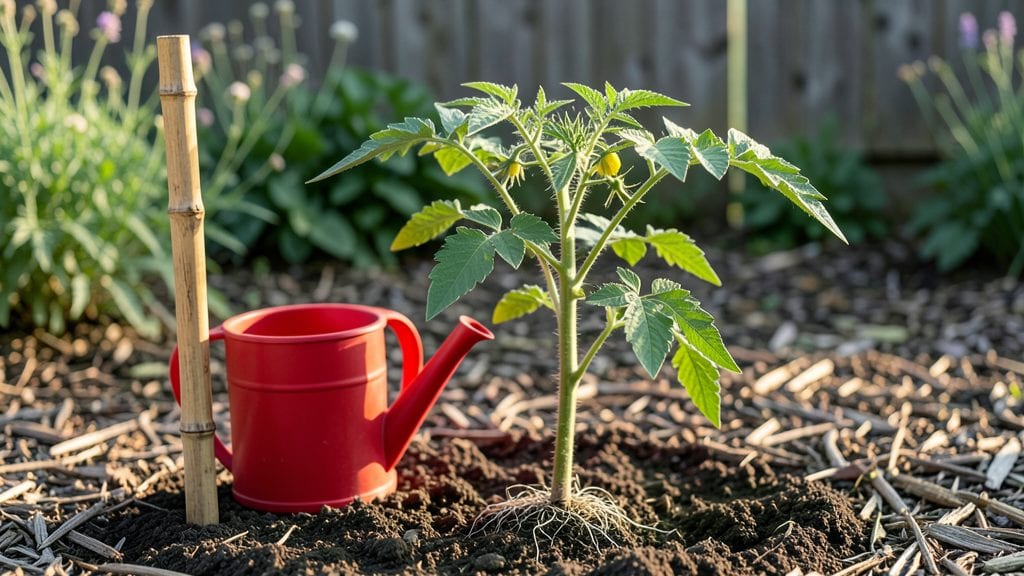
Caring for tomato seedlings transforms fragile sprouts into robust plants ready for your garden. 🌱 I’ve nursed dozens of seedlings through the leggy, spindly stage—only to watch them grow into sturdy, productive vines with the right balance of light, water, and patience.
The first two weeks are critical: seedlings need 12-16 hours of bright light daily (a sunny windowsill or grow light works), and watering should be gentle—just enough to keep soil moist but never soggy.
Overwatering drowns roots, while underwatering stunts growth. I learned this the hard way after losing a batch to damp-off disease.
By the time you transplant, your seedlings should be 3-4 inches tall with strong stems and true leaves. Hardening them off for 5-7 days before moving outdoors prevents shock. The payoff? Bursting vines that produce tomatoes all summer long, not sad, leggy plants that peter out.
This works for both indoor starters and direct-sown seedlings—just adjust light and spacing. Let’s get those plants thriving so you can enjoy the harvest ahead!
📚 In This Guide
- What you need
- Instructions
- Tips and common mistakes
- Wrapping up and next steps
What you need
- ● Seedlings: 3–6 healthy tomato seedlings (choose disease-resistant varieties like 'Celebrity' or 'Roma' for beginners).
- ● Containers: 5–7" pots (biodegradable or plastic) or
- ● A seedling tray with individual cells (at least 2" deep).
- ● Potting Mix: 5–10 lbs of seedling-specific mix (sterile, lightweight, and well-draining). Avoid garden soil—it’s too dense!
- ● Grow Lights: 1–2 full-spectrum LED grow lights (12–16 hrs/day) or a sunny south-facing windowsill.
- ● Watering Can: Small with a narrow spout (to avoid disturbing seedlings).
- ● Spray Bottle: For gentle misting (especially in dry climates).
- ● Fertilizer: Balanced liquid fertilizer (5-5-5 or 10-10-10, diluted to half-strength).
- ● Labels & Markers: To track varieties and planting dates.
- ● Humidity dome or plastic wrap (to retain moisture while sprouting).
- ● Heating mat (if starting seeds indoors in cool climates, 70–80°F is ideal).
- ● pH test kit (aim for 6.0–6.8 for optimal nutrient uptake).
- ● Insecticidal soap or neem oil (preventative pest control).
- ● Support stakes or cages (if hardening off early).
Step-by-Step instructions for thriving tomato seedlings
Here's how I nurture strong, healthy tomato seedlings that transition smoothly to the garden.
🌱 Step 1: Provide Optimal Light Immediately After Germination
Tomato seedlings need 14-16 hours of bright light daily from the moment they emerge. A south-facing window rarely provides enough intensity, so I position a grow light just 2-3 inches above the seedlings. Use a timer to automate 14 hours of light—consistent timing prevents leggy growth.
Watch for seedlings leaning toward the light—this means the light source is too far away. You'll see strong seedlings develop thick stems and dark green leaves spaced closely together. If leaves appear pale or stretched, lower the light immediately.
💧 Step 2: Water Consistently Without Overwetting
Water seedlings when the top inch of soil feels dry—this usually means every 2-3 days, but check daily in hot or dry conditions. Use a watering can with a gentle spray nozzle to avoid disturbing the soil surface, which can dislodge fragile seedlings.
I always water at the base rather than from above to prevent fungal diseases like damping-off. The soil should feel evenly moist but never soggy—excess water cuts off oxygen to roots and invites rot. You'll know moisture is right when the soil surface looks slightly damp but not glistening.
☀️ Step 3: Fertilize Lightly After True Leaves Appear
Wait until seedlings develop their first true leaves (not the initial cotyledons) before fertilizing. I use a balanced, water-soluble fertilizer diluted to half-strength to avoid burning tender roots. Apply it to the soil, not the leaves, and water immediately afterward to distribute nutrients evenly.
Over-fertilizing now can cause more harm than good—seedlings are tiny and can't process heavy nutrient loads. You'll see healthy growth when leaves remain vibrant and stems grow steadily thicker. If leaves yellow or develop brown edges, flush the soil with plain water and reduce fertilizer strength further.
✂️ Step 4: Harden Off Seedlings Before Transplanting
Two weeks before your last frost date, begin hardening off seedlings by placing them outside in a shaded, sheltered spot for 1-2 hours the first day. Gradually increase outdoor time by 1 hour daily over 10-14 days, slowly introducing more sun and wind.
This process toughens seedlings so they can handle garden conditions without shock. You'll know they're ready when they tolerate a full day outside without wilting. Transplant on an overcast afternoon to reduce stress, and water deeply at the base to help roots establish quickly.
🌿 Step 5: Monitor and Support After Transplanting
After transplanting, keep soil consistently moist but not waterlogged for the first 2 weeks. Stake or cage tomato plants immediately to prevent wind damage—young stems can snap easily. I also prune suckers (the small shoots that grow in the leaf axils) when they reach 2-3 inches to encourage stronger main stems.
Watch for signs of stress like yellowing leaves or wilting—these often indicate underwatering or poor drainage. Strong, healthy seedlings will show vigorous new growth within a week of transplanting. Adjust care based on their progress, and you'll have a thriving tomato plant ready for fruit production.
Tips & tricks for perfect tomato seedling care
Here's what I've learned after nurturing hundreds of tomato seedlings—these tricks will help you avoid common pitfalls and grow plants that thrive from seed to harvest.
The Light Factor: In Step 1, when positioning your grow light 2-3 inches above seedlings, remember that light intensity decreases with distance. If your seedlings start stretching toward the light (a condition called etiolation), lower the light by another inch immediately. I've found that using a timer for those critical 14 hours of light prevents leggy growth—consistency matters more than exact hours. For extra insurance, rotate your trays 180 degrees daily so all seedlings get even exposure.
Watering Wisdom: The "top inch dry" test in Step 2 is your best guide, but I've learned to adjust based on weather. In hot climates, you might need daily watering, while cooler conditions can stretch it to every 4 days. Always water at soil level—avoiding overhead watering prevents damping-off disease, which can wipe out seedlings overnight. Pro tip: Use a spray bottle for gentle watering after transplanting to avoid disturbing young roots.
Fertilizer Timing: When your seedlings develop their first true leaves (Step 3), that's your cue to fertilize—but don't overdo it. I recommend starting with a quarter-strength solution of balanced fertilizer (5-5-5 or similar) to give their delicate roots a gentle introduction to nutrients. If you notice any yellowing between veins, it's a sign of over-fertilization, and you should flush the soil with plain water immediately. Think of this as a "taste test" for their roots.
Harden Off Gradually: The 10-14 day hardening process in Step 4 is crucial, but I've found that starting with just 30 minutes outside on the first day works even better than the suggested 1-2 hours. This gradual approach prevents shock while still acclimating them to outdoor conditions. Watch for wilting—if they recover within a few hours, they're ready for more time outside. On cloudy days, you can safely extend their outdoor time without worrying about sunburn.
Pro Tips for Tomato Seedling Care
- Here's what I've learned after nurturing hundreds of tomato seedlings—these tricks will help you avoid common pitfalls and grow plants that thrive from seed to harvest.
- The Light Factor: In Step 1, when positioning your grow light 2-3 inches above seedlings, remember that light intensity decreases with distance.
- Watering Wisdom: The "top inch dry" test in Step 2 is your best guide, but I've learned to adjust based on weather.
Frequently asked questions
Got questions about keeping your tomato seedlings happy and healthy? You’re not alone! Here are answers to the most common concerns—so you can grow strong, thriving plants from seed to harvest.
How often should I water tomato seedlings?
Keep the soil consistently moist but never soggy. Water gently at the base (not overhead) every 2–3 days, or when the top inch of soil feels dry. Overwatering can drown roots, while underwatering stresses seedlings. A spray bottle or small watering can works best for precision. Pro tip: Use a moisture meter or stick your finger in the soil to check!
When is the best time to transplant tomato seedlings outdoors?
Wait until nighttime temperatures stay above 50°F (10°C) and all frost risk has passed. Seedlings need strong stems (about 6–8 inches tall) and 5–7 true leaves before transplanting. Harden them off first by gradually exposing them to outdoor conditions over 7–10 days. Pro tip: Plant in the late afternoon to reduce shock!
Why are my tomato seedlings leggy or stretching?
Leggy seedlings result from too little light or overcrowding. Move them to a sunny windowsill or grow light (12–16 hours/day) and thin them so they’re 2–3 inches apart. If already leggy, bury them deeper when transplanting—up to the first true leaves—to encourage stable growth. Pro tip: Use reflective surfaces (like aluminum foil) to maximize light!
How do I protect tomato seedlings from pests like aphids or cutworms?
Prevent pests with physical barriers: Use row covers for cutworms or collars made from cardboard tubes. For aphids, spray with a mix of water + dish soap (1 tsp per quart) or introduce beneficial insects like ladybugs. Avoid chemical sprays early on—they can harm delicate seedlings. Pro tip: Inspect leaves daily and remove pests by hand if possible!
Can I grow tomato seedlings indoors without a greenhouse?
Use a south-facing window or a grow light (LED or fluorescent) 2–3 inches above seedlings for 12+ hours daily. Keep temperatures between 65–75°F (18–24°C) and maintain humidity with a clear plastic dome or misting. Rotate seedlings weekly for even growth. Pro tip: A seedling heat mat (70°F) can speed up germination!
Wrapping up and next steps
Caring for tomato seedlings is all about patience, consistency, and a little love—but the rewards are worth it! With the right balance of light, water, and nutrients, your tiny sprouts will grow into thriving plants ready to burst with juicy, flavorful tomatoes. 🌱
Now that you’re armed with expert tips, take the next step: transplant your healthy seedlings into the garden or larger containers. Watch them flourish and enjoy the taste of your homegrown harvest! 🍅✨