Pruning
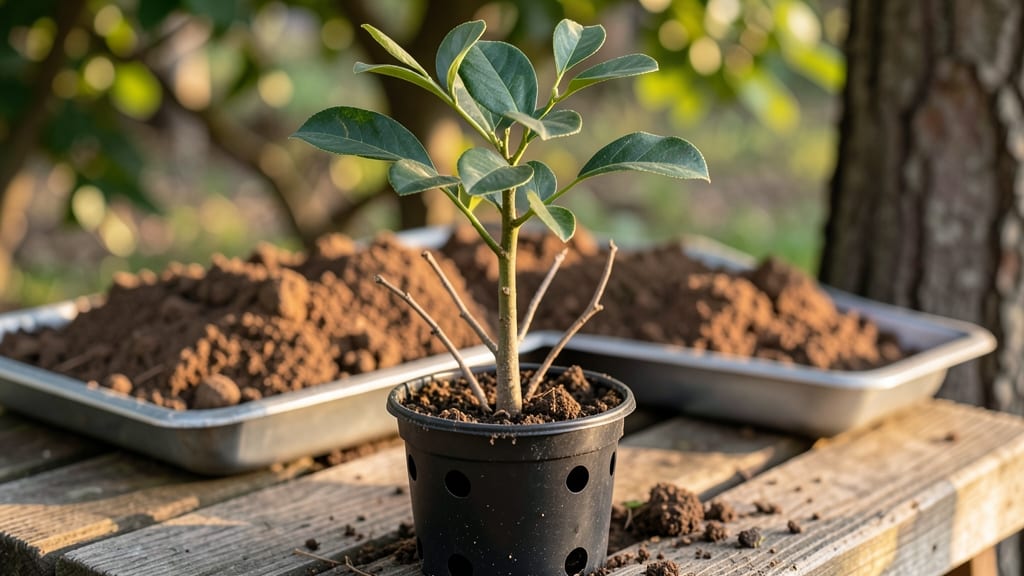
Growing a loquat tree from seedling in just three weeks feels like cheating the system. 🌱 I’ve watched these tropical gems sprout faster than anything else in my greenhouse—when you nail the soil warmth and moisture balance.
The trick isn’t just patience; it’s creating the perfect microclimate where seeds wake up hungry and ready to grow.
You’ll need a warm spot (70–80°F soil), a shallow tray with drainage, and a mix of potting soil and perlite to keep roots happy. Most people overthink this—loquat seeds don’t need fancy setups, just consistent warmth and gentle watering.
I’ve germinated dozens this way, even in apartments with just a heat mat and grow light.
By week three, you’ll see sturdy seedlings with glossy leaves reaching for light. The key is keeping the soil damp but not soggy—these seedlings hate sitting in water.
Once they’re 3–4 inches tall, they’re ready for their first real pot, where they’ll grow fast enough to taste fruit in a few years.
Works in containers or ground, whether you’re in a warm climate or using a heat mat indoors. Here’s how to skip the waiting game and get those seedlings popping reliably every time.
📚 In This Guide
- What you need
- Instructions
- Tips and common mistakes
- Wrapping up and next steps
What you need
- ● Loquat seeds: 3–5 fresh, plump seeds (harvested from ripe fruit; avoid dried or shriveled ones).
- ● Seed-starting mix: 1 quart (32 oz) of sterile, well-draining potting soil (e.g., Miracle-Gro Seed Starting Potting Mix).
- ● Containers: 2–3 small pots (3–4 inches in diameter) with drainage holes or a seed tray with individual cells.
- ● Watering can or spray bottle: With a fine mist nozzle for gentle hydration.
- ● Plastic wrap or humidity dome: To retain moisture (e.g., a clear plastic bag or store-bought propagator lid).
- ● Grow lights or sunny windowsill: A south-facing window or a 12–16" LED grow light (e.g., Soltis LED Clip Light) for 12+ hours/day.
- ○ Heat mat (optional but helpful): A small seedling heat mat (e.g., VIVOSUN Heat Mat) to maintain 75–85°F soil temps.
- ● Small hand trowel or spoon: For planting seeds without damaging them.
- ● Fine-mist spray bottle: For consistent moisture without overwatering.
- ● Label markers & tags: To track seedling progress (e.g., Dymo LetraTag).
- ● Fertilizer (after germination): A balanced, water-soluble fertilizer (e.g., Jack’s Classic All Purpose, diluted to ½ strength).
- ● Pruning shears (future use): For trimming as your seedling grows (e.g., Fiskars 8-inch Bypass).
Step-by-step instructions for germinating loquat tree seedlings
Here's how to get your loquat seeds sprouting in under 3 weeks—no fancy equipment needed.
🌱 Step 1: Prepare Seeds for Faster Germination
Loquat seeds have a hard outer shell that slows sprouting. First, soak 4 seeds in warm water for 24 hours—this softens the coating and speeds up germination. I use a small bowl of room-temperature water and leave the seeds submerged completely. After 24 hours, you'll see the shells start to crack slightly.
Drain the water and wrap the seeds in a damp paper towel. Place them inside a sealed plastic bag and store in a warm spot, like on top of your fridge. Check daily—keep the towel damp but not soaking. Within 3-5 days, you'll see tiny white roots emerge. This is your signal they're ready for planting.
🪴 Step 2: Choose Containers and Fill with Moisture-Retentive Mix
Use 4 small pots (3-4 inches wide) with drainage holes. Fill each with a mix of 50% potting soil and 50% perlite—this ensures good drainage while keeping moisture. I like to pre-moisten the mix until it feels like a damp sponge but doesn't drip. Tap the pots gently to settle the soil without compacting it.
Plant each seedling ½ inch deep, about 1 inch apart. Gently press the soil around the seed to secure it, but don't pack it down. Water lightly with a spray bottle until the surface looks evenly moist. Overwatering now can cause rot before the roots establish.
☀️ Step 3: Provide Warmth and Indirect Light
Loquat seedlings thrive in 70-80°F soil temperatures. Place the pots on a seedling heat mat or in a warm, sunny spot—like a south-facing windowsill. Avoid direct sunlight at first; instead, give them bright, indirect light for the first 7-10 days. You'll see the first true leaves emerge in about 2 weeks.
Once the seedlings have 2-3 sets of leaves, gradually introduce 3-4 hours of morning sun daily. Watch for leggy growth—if stems stretch too tall, they're reaching for light. This means you need to move them closer to the light source or add a grow light for 12-14 hours daily.
💧 Step 4: Water and Maintain Humidity
Keep the soil consistently moist but never soggy. Water when the top ½ inch feels dry—I use a spray bottle to mist the soil gently, avoiding the leaves. Loquat seedlings are sensitive to overwatering, so always check the moisture level before adding more water. A good rule is to water every 2-3 days until you see new growth.
To boost humidity, place a tray of water near the pots or cover them with a clear plastic dome. Remove the dome once the seedlings show true leaves to prevent fungal issues. If you notice yellowing leaves, reduce watering slightly—this is often a sign of overwatering.
⏰ Step 5: Transplant When Ready for Stronger Growth
After 4-6 weeks, when seedlings have 4-5 leaves and are about 4-6 inches tall, it's time to transplant. Choose a slightly larger pot (5-6 inches wide) with fresh potting mix. Dig a hole twice as wide as the root ball and place the seedling in, covering the roots with soil up to the first set of leaves.
Water deeply after transplanting and place the pot in a spot with partial shade for 1 week to help it recover. You'll know it's thriving when new leaves appear within 10-14 days. Keep an eye out for pests like aphids—if you see them, wipe the leaves with a damp cloth or use a mild insecticidal soap.
Tips & tricks for fast loquat tree seedling germination
Real talk: Those first few days decide whether your loquat seeds will sprout or rot. Here's how to give them the perfect start.
Soaking Secret: The 24-hour soak isn't just about softening the shell—it's about creating the right conditions. Use room-temperature water (around 80°F) to avoid shocking the seeds. I add a pinch of cinnamon to prevent fungal growth during this critical period. After soaking, pat the seeds dry before wrapping them to prevent mold from developing in the plastic bag.
Warmth is Non-Negotiable: Loquat seeds need consistent warmth to germinate quickly. If your kitchen is cooler than 70°F, place the bagged seeds on top of your fridge or near a sunny window. I've seen germination speed up by 2 days when seeds stay between 75-80°F. Pro tip: Use a seedling heat mat if you're in a cooler climate—it's worth the investment for reliable results.
Light Transition Strategy: That 7-10 day indirect light phase is crucial. I use a grow light on a timer for 12-14 hours daily during this period to simulate natural conditions. Watch for the first true leaves—these should appear glossy and dark green. If they look pale or stretched, your seedlings need more light. After the 2-week mark, you can gradually increase direct sunlight exposure.
Transplant Timing: Don't rush the 4-6 week transplant window! Wait until you see 4-5 leaves and the seedlings reach 4-6 inches tall. At this stage, they've developed strong enough roots to handle the move. I transplant on a cloudy day to reduce stress on the seedlings. After transplanting, keep them in partial shade for that first week—they're still fragile despite their size.
Pro Tips for Loquat Tree Seedling
- Real talk: Those first few days decide whether your loquat seeds will sprout or rot. Here's how to give them the perf...
- Soaking Secret: The 24-hour soak isn't just about softening the shell—it's about creating the right conditions. Use r...
- Warmth is Non-Negotiable: Loquat seeds need consistent warmth to germinate quickly. If your kitchen is cooler than 70...
Frequently asked questions
Got questions about growing your own loquat tree seedlings? You’re not alone! Here are answers to the most common queries to help you succeed—no guesswork required.
How long does it take for loquat seeds to germinate?
With the right tricks (like soaking seeds overnight and using a heat mat), germination typically takes 7–21 days. Most sprouts appear within 2–3 weeks if kept in warm, moist conditions. Patience is key—don’t give up if you don’t see immediate results!
Can I plant loquat seeds outdoors right away?
Nope! Start indoors in biodegradable pots or seed trays (6–8 weeks before your last frost) to give seedlings a head start. Loquat trees are tender when young and need protection from cold snaps. Harden them off gradually before transplanting after all frost risk has passed.
What’s the best soil mix for loquat seedlings?
Use a well-draining mix of 50% peat moss or coco coir, 30% perlite or vermiculite, and 20% compost. Loquat trees hate soggy roots! Add a handful of sand if your soil is clay-heavy to prevent waterlogging. A slightly acidic to neutral pH (6.0–7.0) works best.
Why aren’t my loquat seeds sprouting? Troubleshooting tips.
Check these common culprits:
- Cold soil: Loquat seeds need warmth (70–80°F) to germinate. Use a heat mat or place pots near a sunny window.
- Dry seeds: Soak seeds in water for 12–24 hours before planting to kickstart germination.
- Old seeds: Fresh seeds sprout faster. If yours are over a year old, try stratification (refrigerate for 2–4 weeks first).
- Poor drainage: Overwatering suffocates seeds. Keep soil moist but not soggy.
Can I grow a loquat tree from a grocery store fruit?
Yes! But save the largest, plumpest seeds (they’re more likely to sprout). Rinse seeds thoroughly to remove pulp, then follow the soaking and planting steps. Just note: Store-bought loquats may be hybrid varieties, so fruit quality might vary from heirloom trees.
Wrapping up and next steps
Growing a loquat tree seedling in just three weeks is totally doable with the right tricks—patience, the perfect soil mix, and a little warmth! 🌱 You’ve now got all the pro tips to boost germination and keep your young sapling thriving.
Whether you’re a gardening newbie or a seasoned green thumb, this method makes it simple and rewarding.
Ready to take the next step? Plant your seedling in a sunny spot and watch it flourish into a fruit-bearing beauty! 🌿 Check out our planting guide for long-term care tips.