
How To
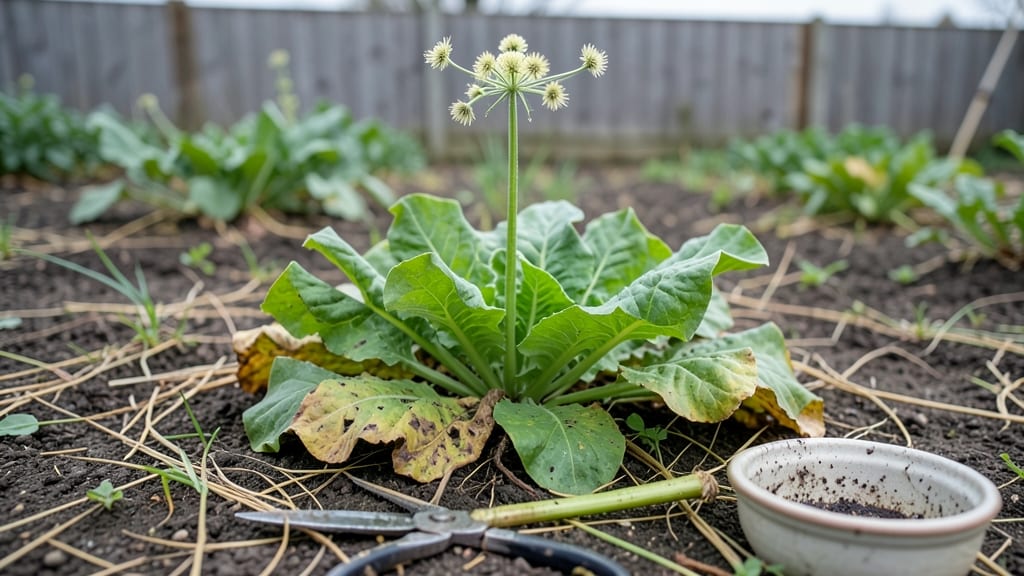
Harvesting lettuce seeds at the right time ensures strong germination and saves you from wasted effort.
Timing is everything when harvesting lettuce seeds—get it wrong, and you risk poor germination or wasted effort. Master the perfect moment to collect seeds for the strongest, most reliable harvest next season.
In USDA Zone 6a, the best window is late spring or early fall when your 🥬 plants bolt and form seed heads. Too early, and the seeds won’t mature; too late, and they may shatter or lose viability.
Below, I’ll walk you through the exact signs to watch for—from seed head color to weather cues—and how to prepare your harvest for storage or replanting.
Optimal time to harvest lettuce seeds for maximum germination rates
Harvesting lettuce seeds at the right moment ensures high germination rates and strong seed viability. Unlike leaf harvests, seed collection requires patience—lettuce plants must mature fully to produce viable seeds. The key is watching for flower stalks and seed head changes while considering your local climate conditions.
Most lettuce varieties take 60-90 days to reach seed maturity after planting. However, this timeline shifts based on daylength sensitivity and temperature fluctuations. In cooler climates (like USDA Zone 6a), seeds mature earlier in spring or late summer, while warmer regions may see extended growth periods.
Always align your harvest with dry, warm weather to prevent mold or premature seed drop.
Timing also depends on whether you're growing spring lettuce (planted in early spring) or fall lettuce (planted in late summer). Spring crops often bolt earlier due to longer daylight, while fall crops may need protection from early frosts. Monitor seed head color—it’s the most reliable indicator of readiness.
Here’s a quick reference for seasonal timing and maturity cues to maximize your seed harvest:
<summary-table>| Season | Key Maturity Signs | Ideal Harvest Window | Temperature Range |
|---|---|---|---|
| Spring | Flower stalks 2-3 ft tall, seed heads turn brown/yellow, pods dry and rattle | Late May - Early June | 60-75°F (day), 50-60°F (night) |
| Fall | Seed heads fully brown, pods easily crushed to release seeds | September - Early October | 55-70°F (day), 45-55°F (night) |
| Extended Summer (Tropical) | Seed stalks bolted early, heads dry faster in heat | July - August | 75-85°F (day), 65-75°F (night) |
Pay close attention to the seed head color. When pods transition from green to tan or brown, they’re ready. A gentle squeeze should release dry, mature seeds—if they’re still green or moist, wait 3-5 more days.
Overripe seeds shatter easily, so harvest before they scatter on the ground.
Environmental cues like humidity levels and rainfall also play a role. In humid climates, seeds may mold if harvested too late, while dry conditions speed up maturation. If rain is forecasted, harvest early to avoid damp seed heads. For best results, aim for 2-3 consecutive dry days before collecting.
Another critical factor is the lettuce variety. Loose-leaf types like Black Seeded Simpson bolt faster than head lettuce varieties like Romaine. Always check seed packets for days to maturity—this tells you when to expect flower stalks.
For example, a 45-day variety planted in March will likely bolt by mid-April, while a 60-day variety may take until May.
Once you spot flower stalks, mark the plant and monitor daily. The first seed heads to mature indicate the rest will follow in 7-10 days. Harvest all mature seed heads together to streamline processing.
Use scissors or pruning shears to cut stalks cleanly, leaving 1 inch of stem attached to the seed head for easier handling.
Pro tip: If you’re in a short growing season (like USDA Zone 4), consider growing bolt-resistant varieties or using shade cloth to delay flowering until temperatures drop.
This gives seeds more time to mature before frost hits. Always prioritize dry, warm conditions—these are non-negotiable for high-quality lettuce seeds.
Finally, never harvest seeds from plants stressed by pests, disease, or poor soil. Weak plants produce low-vigor seeds with poor germination. Choose the healthiest lettuce plants in your patch for seed collection, and avoid overcrowded areas where competition reduces seed quality.
Visual & physical signs your lettuce is ready for seed harvesting
Harvesting lettuce seeds at the right moment ensures high germination rates and strong seed viability. Unlike leaf harvests, seed collection requires patience—waiting too long can scatter seeds prematurely, while harvesting too early yields weak, non-viable seeds.
The key lies in observing three critical visual cues: seed head color, pod firmness, and seed separation from the plant.
Lettuce plants transition from leaf production to seed development when they bolt (send up a tall flower stalk). This usually happens when days grow shorter or temperatures rise, signaling the plant to focus on reproduction.
Once the flower stalks appear, count 4-6 weeks until seeds are ready—this timeline varies by variety and climate. In USDA Zone 6a, this typically aligns with late summer to early fall.
- 1 Seed Head Color Change: Watch for dry, papery seed heads turning from green to light brown or tan. Dark brown or black heads mean seeds are overripe and may have lost viability. Use a hand lens to check for tiny, mature seeds inside the pods.
- 2 Pod Firmness Test: Gently squeeze a seed pod—it should feel dry and crisp, like a thin, hollow shell. If pods are still slightly pliable or green, wait 3-5 more days. Overly brittle pods risk seed loss during harvest.
- 3 Seed Separation: Shake a mature seed head over a paper bag—if seeds easily pop out, they’re ready. If seeds cling tightly or the pods split open on their own, harvest immediately to prevent premature scattering. This is especially critical in windy conditions.
- 4 Weather Check: Harvest seeds on a dry, sunny day with low humidity (<30% ideal). Rain or dew can cause seeds to mold during drying. If humidity is high, collect seeds indoors under a fan to speed up the process.
To confirm seed readiness, perform a float test: fill a bowl with water and drop a handful of seeds inside. Viable seeds sink immediately, while empty or immature seeds float.
Aim for 90% or higher sink rate—this guarantees strong germination. Store seeds in a cool, dry place (like a sealed jar) for up to 2-3 years.
Pro tip: Label your seed batches with the harvest date and variety. Over time, you’ll notice how climate affects maturity—cooler summers may delay seed readiness by 1-2 weeks, while hot, dry spells can speed up the process. Adjust your harvest timeline accordingly to avoid missing the window.
Once you’ve mastered these signs, seed harvesting becomes a rewarding extension of your lettuce-growing journey. Not only do you save money, but you also ensure seeds adapted to your local microclimate, leading to healthier plants next season.