How To
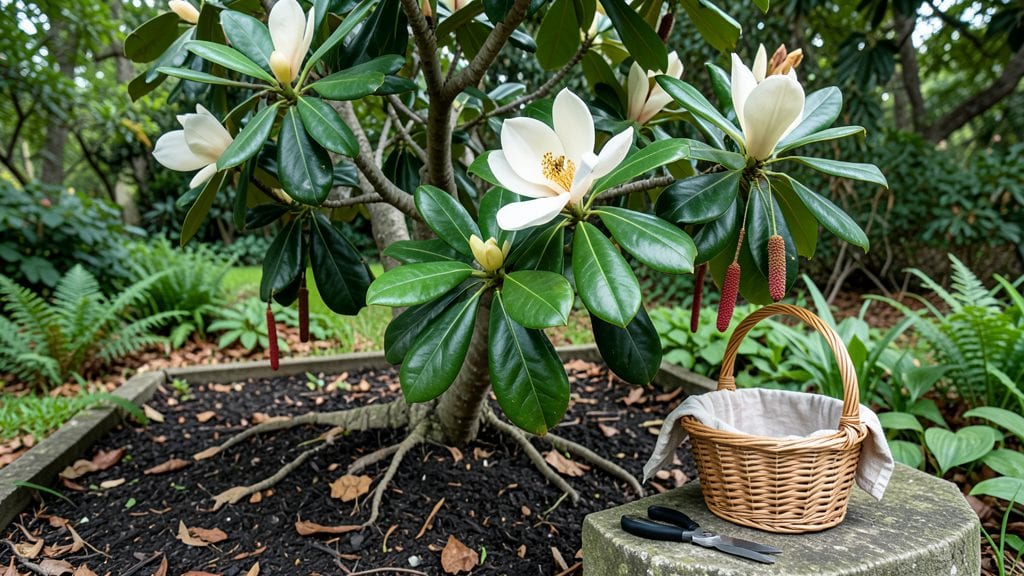
Harvesting magnolia seeds 🌸 at the right time ensures you get healthy, viable seeds for new trees—timing and technique make all the difference.
Magnolia trees produce stunning flowers and unique seed pods, but harvesting their seeds at the perfect moment can mean the difference between thriving new plants and wasted effort. If you pick too early, the seeds won’t germinate; too late, and they’ll scatter on their own, leaving you with nothing.
The key is knowing when those pods are ripe—usually late summer to early autumn—and how to collect them without harming the tree.
In this guide, I’ll walk you through the exact signs to look for—like brown, dry pods that split open naturally—and the simple tools you’ll need. You’ll also learn how to handle and store the seeds properly to maximize their chances of growing into strong, beautiful magnolias.
No more guesswork, just a foolproof method for a successful harvest.
Ready to turn those seed pods into new trees? Let’s get started with the step-by-step process that works every time.
When to harvest magnolia seeds: identifying ripe seed pods for optimal germination
Timing is everything when harvesting magnolia seeds. If you collect them too early, the seeds won’t germinate—if you wait too long, they’ll scatter naturally or become damaged. The key lies in watching for visual and textural cues that signal perfect ripeness.
Most magnolia varieties reach maturity between late summer and early autumn, but species like Southern magnolia (Magnolia grandiflora) may take longer than sweetbay magnolia (Magnolia virginiana).
Start by scanning your tree for seed pods that have transitioned from vibrant green to a rich, deep brown color. Unlike immature pods, which feel firm and closed, ripe pods become dry and papery to the touch.
A gentle tap should reveal a hollow sound, indicating the seeds inside are ready for harvest. This transformation usually occurs 8–12 weeks after flowering, depending on your climate.
Never harvest pods that are still green or partially closed—these seeds are underdeveloped and won’t sprout. Overripe pods, on the other hand, may split open prematurely, releasing seeds before you can collect them.
The best time to act is when 20–30% of the pods on a branch have turned brown and begun to crack naturally. This ensures you capture seeds at their peak viability.
Seasonal timing varies by magnolia species and USDA hardiness zone. In Zones 6–8, aim for harvests between mid-August and early October. In cooler zones (e.g., Zone 5 or below), pods may not ripen until late September or October.
Always monitor your tree weekly once pods appear, as weather fluctuations can accelerate ripening.
Here’s a quick reference to help you spot ripe pods at a glance:
For southern magnolias, prioritize pods that are fully brown but not yet split. These trees often produce thicker, woody pods that take longer to dry. In contrast, deciduous magnolias, like Magnolia stellata, have thinner pods that ripen faster—sometimes in as little as 6–8 weeks.
Always harvest on a dry, sunny day to prevent mold and ensure seeds stay dry during collection.
Pro tip: Use a small pruning saw or clean shears to snip entire branches bearing ripe pods, then lay them on a breathable surface (like a wire mesh tray) to finish drying indoors.
This method preserves seed quality while protecting the tree from unnecessary stress. Avoid shaking pods directly from the tree—this can damage branches and cause seeds to scatter before you’re ready.
Once harvested, store seeds in a paper bag or breathable container in a cool, dry place (around 40–50°F) for 4–6 weeks to complete stratification. This mimics winter conditions and boosts germination rates from 30% to over 70%.
Skipping stratification often results in poor or delayed germination, so plan ahead if you’re aiming for spring planting.
If you miss the harvest window, don’t despair—many magnolia seeds remain viable for 1–2 years if stored properly. However, fresh seeds always yield the best results. Mark your calendar for next year’s harvest by noting when your tree’s pods first turn brown.
With practice, you’ll develop an instinct for the perfect moment to collect high-quality magnolia seeds every season.
🌿
Step-by-step guide to safely collecting magnolia seed pods without damaging the tree
Harvesting magnolia seed pods requires patience and precision to ensure both the seeds remain viable and the tree stays healthy. These pods are delicate, so using the right techniques will protect your tree while maximizing your seed yield.
The key is knowing when to act and how to handle the pods without causing stress to the mature plant.
Timing is everything—wait until the seed pods turn brown and dry, often between late summer and early autumn. At this stage, the pods will naturally begin to split open, releasing seeds that are ready for collection.
Rushing the process can lead to immature seeds that won’t germinate, while waiting too long risks losing seeds to wildlife or weather.
You’ll need sterilized pruning shears, a bucket or breathable bag, and gloves to protect your hands. Avoid metal tools that can damage the pods or introduce bacteria.
Look for pods that are fully brown and papery. Gently tap them—they should rattle with seeds inside. Avoid green or firm pods, as these aren’t ready.
Use pruning shears to snip pods from the tree, cutting the stem just above the pod. Place them in your breathable bag or bucket to prevent moisture buildup.
Spread the pods in a single layer on paper towels in a shady, well-ventilated area. Let them dry for 1-2 weeks until completely dry and brittle to the touch.
Once dry, remove seeds from pods and store them in a paper envelope or breathable container in a cool, dry place. Label with the harvest date for tracking.
Magnolia seeds need stratification for 60-90 days. Mix seeds with moist sand or peat moss in a sealed bag, then refrigerate. Plant after stratification in well-draining soil.
After collecting, avoid over-pruning the tree—remove only 10-20% of the pods to maintain its health. Overharvesting can stress the tree and reduce next year’s seed production. Always prioritize tree health over seed quantity for long-term success.
Once your seeds are stored, monitor them closely. Viability drops after 6 months, so plant or stratify them as soon as possible. With the right care, you’ll soon have healthy magnolia seedlings ready to grow into stunning trees of their own. 🌳