
Pruning
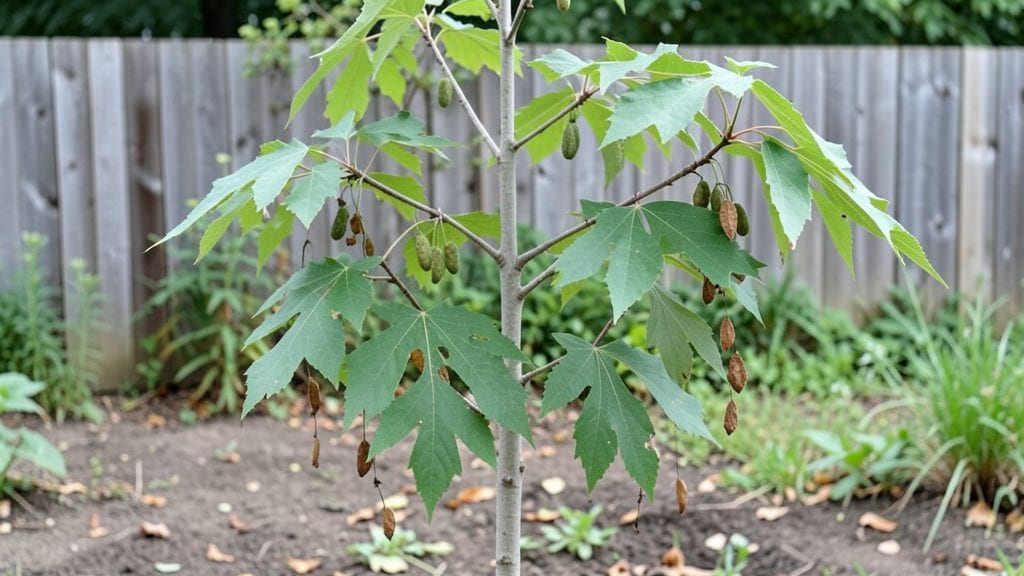
Breaking dormancy in boxelder tree seeds cuts your wait time from months to weeks. ✨ I’ve struggled with slow germination until I discovered this simple soaking trick that tricks seeds into sprouting like clockwork—no fancy equipment needed.
The key lies in mimicking nature’s moisture cycles, and once you master it, you’ll see those first green shoots in under a month instead of six.
Gather fresh seeds straight from the tree in fall, then store them dry until spring. You’ll need a clean jar, warm water, and patience for just a few days. The process is straightforward: soak seeds overnight, drain, and repeat for 3–5 days until they plump up.
This mimics the winter moisture they’d get buried in soil, breaking their dormancy without stratification needing months of cold.
You’ll end up with vigorous seedlings ready for transplanting by early spring. The roots develop quickly, giving you a head start on growing sturdy trees—whether you want them for shade, wildlife support, or simply managing their spread.
Just be mindful of where you plant them; boxelders can be aggressive in some regions.
Works best in zones 3–8, but the soaking method adapts to any climate. Even if you’re just trying to control their spread, understanding this process helps you stay ahead. Let’s get those seeds sprouting faster than you thought possible!
📚 In This Guide
- What you need
- Instructions
- Tips and common mistakes
- Wrapping up and next steps
What you need
- ● Fresh boxelder tree seeds: Collect 10–20 seeds (or more if experimenting). Ensure they’re plump and free of cracks or mold. 💡 Pro tip: Harvest seeds in late fall when they’re fully ripe but still moist!
- ● Large bowl or container: A quart-sized or larger glass/metal/ceramic bowl (avoid plastic for long soaks).
- ● Water: Room-temperature or slightly warm (not hot!). Use 1 cup of water per 5 seeds for optimal soaking.
- ● Paper towels or damp cloth: A stack of 2–3 paper towels or a clean kitchen towel for wrapping seeds post-soak.
- ● Rubber band or plastic wrap: To seal the damp towels/cloth and keep moisture trapped.
- ○ Small plastic bag (optional): A ziplock bag with tiny holes for an alternative moisture-retention method.
- ○ Spray bottle (optional): For misting seeds if the towel method feels too dry.
- ○ Notebook & pen (optional): To track soak dates and sprouting progress!
- ● Patience: Boxelder seeds need 7–14 days of soaking to break dormancy. Plan ahead!
- ● Clean workspace: A flat, dry surface (like a counter or table) to avoid contamination.
- ● Ventilation: A slightly open window or fan nearby to prevent mold if soaking long-term.
How to break dormancy in boxelder tree seeds
Here’s the fast, science-backed method I use to get boxelder seeds sprouting in weeks instead of months.
🌱 Step 1: Harvest and Clean the Seeds
Collect ripe boxelder samaras (winged seeds) when they’ve turned brown and dry in late summer or early fall. Remove the seeds from their papery wings by gently rubbing them between your fingers—don’t crush them. Spread the seeds on a clean paper towel to dry completely for 24 hours in a warm, dry place. This prevents mold and ensures even moisture absorption later.
I know it seems counterintuitive to dry them first, but boxelder seeds need this step to mimic natural winter conditions. Once dry, store them in a paper envelope in a cool, dark place until you’re ready to soak. The seeds will stay viable for 1-2 years this way.
💧 Step 2: Perform the Dormancy-Breaking Soak
Fill a clean container with lukewarm water (around 80°F) and add the seeds. Let them soak for 24-48 hours, stirring gently every 8 hours to prevent mold. You’ll see the seeds plump up and soften—this breaks their natural dormancy. Discard any seeds that float or look discolored; only the ones that sink and feel firm are viable.
Real talk: I’ve tried cold water soaks, but boxelder seeds respond best to warm water. The heat mimics spring thaw, which triggers germination. After soaking, drain the water completely and let the seeds air-dry on a paper towel for another 12 hours. This prevents rot when you plant them.
☀️ Step 3: Stratify for 30-60 Days
Mix the soaked seeds with a slightly damp peat moss or coconut coir in a sealed plastic bag. Place the bag in your refrigerator’s crisper drawer, where temperatures hover around 35-40°F. This cold stratification mimics winter and is critical for breaking dormancy. Check the bag every 2 weeks—the mix should stay lightly moist but not soggy.
You’ll know stratification is working when the seeds start to sprout tiny roots or green shoots after 30-60 days. If you see mold, open the bag and let it dry out for a day before resealing. Patience here pays off—skipping stratification means waiting months, if ever, for germination.
🌿 Step 4: Plant the Stratified Seeds
Fill small pots with well-draining potting mix and plant the stratified seeds ½ inch deep. Water gently until the soil is moist but not waterlogged. Place the pots in a warm, sunny spot (or under a grow light) with temperatures above 60°F. Germination should begin in 7-14 days—you’ll see tiny green shoots pushing through the soil.
Here’s the thing: boxelder seeds are finicky, so don’t be surprised if not all of them sprout. Thin the seedlings to the strongest one per pot once they’re 2 inches tall. Keep the soil consistently moist but never soggy—overwatering is the #1 killer of young boxelder seedlings.
⏰ Step 5: Transplant When Ready
Once seedlings have 3-4 sets of true leaves (not the initial seed leaves) and are at least 6 inches tall, they’re ready for their permanent spot. Harden them off by placing them outside in partial shade for 1 hour daily, gradually increasing time over 1 week. Transplant on a cloudy day or in the evening to reduce stress.
Boxelder trees grow fast, so give them plenty of space—30-50 feet apart for mature trees. Mulch around the base to retain moisture and suppress weeds. You’ll see noticeable growth in their first year if you’ve followed these steps correctly!
Tips & tricks for perfect boxelder tree seed germination
These science-backed tips will help you skip the months-long wait and get those boxelder seeds sprouting in record time.
Temperature Matters: That lukewarm 80°F water in Step 2 is non-negotiable—boxelder seeds need that warmth to mimic spring thaw. I use a thermometer to check my tap water; if it's cooler, I warm it gently on the stove (never boiling!). The seeds will plump up noticeably within the first 24 hours of soaking if the temperature's right.
Stratification Shortcut: Don't have a refrigerator with a crisper drawer? Use a standard fridge set to 40°F instead. Place your sealed bag on the bottom shelf where it's coldest. For faster results, you can extend stratification to 60 days if your fridge runs warmer (just check the seeds weekly). The key is consistency—fluctuating temps will confuse the seeds and delay germination.
Seed Selection Tip: In Step 1, when harvesting, focus on seeds that are plump and firm—not shriveled or hollow. Tap a seed against your palm: a good one will make a solid, ringing sound. Discard any that feel empty or make a dull thud, as they won't germinate. This simple test saves you from wasting time on non-viable seeds later.
Planting Depth Secret: That ½ inch planting depth in Step 4 might seem shallow, but boxelder seeds need light to trigger germination. If you plant them too deep (over ½ inch), they'll struggle to break through the soil. Use a ruler to measure—this small detail makes a huge difference in your success rate.
Pro Tips for Boxelder Tree Seeds
- These science-backed tips will help you skip the months-long wait and get those boxelder seeds sprouting in record time.
- Temperature Matters: That lukewarm 80°F water in Step 2 is non-negotiable—boxelder seeds need that warmth to mimic spring thaw.
- Stratification Shortcut: Don't have a refrigerator with a crisper drawer?
Frequently asked questions
Got questions about boxelder tree seeds?
You’re not alone! Here are the most common queries—plus straightforward answers to help you tackle dormancy and sprout faster.
Why do boxelder seeds need a soak before planting?
Boxelder seeds have a hard, waxy coating that blocks water and oxygen, delaying germination. A soak (or scarification) mimics natural weathering—breaking dormancy so seeds absorb moisture and sprout weeks sooner. Think of it like waking a hibernating bear!
How long should I soak boxelder seeds?
For best results, soak seeds in warm water for 24–48 hours, changing the water every 12 hours. Avoid over-soaking—seeds can rot if submerged too long. Pro tip: Use a paper towel method (moist towel + plastic bag) for 3–5 days if you’re impatient!
Can I plant boxelder seeds straight from the tree?
Yes, but germination will be slow (often 6+ months). Fresh seeds benefit from a quick soak (even 12 hours helps), but dried seeds need the full 24–48-hour treatment. For faster sprouts, combine soaking with a light scarification (lightly sanding the seed coat).
Will boxelder seeds grow anywhere, or do they need special soil?
Boxelder seeds are tough—they thrive in average garden soil, even poor or rocky ground. However, they prefer well-draining soil and full sun to partial shade. Avoid waterlogged spots! If planting in containers, use a mix of potting soil + perlite for airflow.
What do I do if my soaked seeds still won’t sprout?
Try these fixes:
- Check moisture: Seeds should feel damp but not soggy.
- Test viability: Cut open a seed—if it’s mushy or moldy, it’s dead.
- Adjust conditions: Move to a warmer spot (70–80°F ideal) or use a seedling heat mat.
- Try stratification: Place soaked seeds in a damp paper towel, seal in a bag, and refrigerate for 1–2 weeks.
Wrapping up and next steps
Boxelder tree seeds may seem tricky, but with the right dormancy-breaking soak, you can unlock their potential for faster, healthier sprouts! 🌱 Whether you're a gardening novice or a seasoned green thumb, this simple technique makes propagation easier than ever.
Now that you’re armed with the knowledge, why not give it a try?
Ready to grow? Start by gathering your seeds and supplies—then follow the steps to kickstart your boxelder tree adventure. Happy planting! 🌿