How To
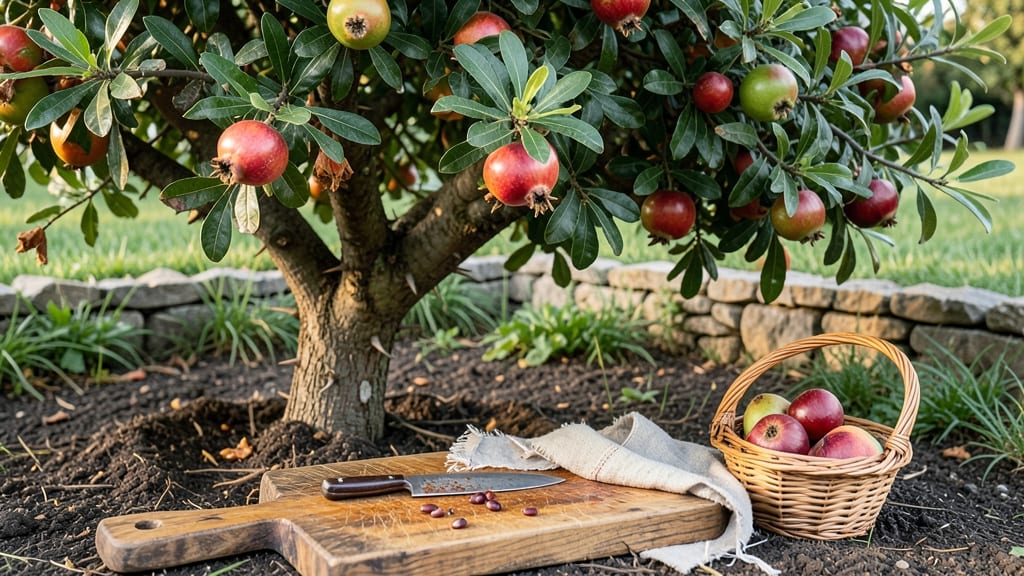
Harvesting pomegranate seeds efficiently turns a messy chore into a rewarding process—especially when you know the right techniques to avoid wasted juice and sticky hands.
Pomegranates are nature’s candy—bursting with jewel-like seeds packed with antioxidants—but extracting them cleanly without a sticky mess can feel like cracking a puzzle. Skip the frustration and learn the foolproof techniques to harvest pomegranate seeds efficiently, whether for fresh eating, juicing, or preserving.
Timing is everything: wait until the fruit turns deep red and feels firm but slightly yielding when pressed. The right tools—a sharp knife, bowl of water, and a spoon—make all the difference between a chaotic cleanup and a minimal-waste harvest.
Inside, you’ll find step-by-step methods to maximize seed yield, from smashing to cutting, plus how to repurpose leftover juice and membranes. Ready to turn your pomegranates into a sweet, seed-filled success?
Step-by-step guide to harvesting pomegranate seeds without waste
Pomegranates are nature’s candy—bursting with jewel-like seeds packed with antioxidants—but extracting them cleanly without a sticky mess can feel like cracking a puzzle. The key to success lies in proper timing and the right extraction method.
Whether you're harvesting from your garden or a store-bought fruit, these techniques will maximize your seed yield while minimizing juice loss and waste.
Before diving in, gather your essential tools: a sharp chef's knife or serrated knife, a large bowl for catching seeds, a colander or fine-mesh strainer, and paper towels for cleanup. The method you choose—cutting or smashing—will depend on your patience level and the fruit's ripeness.
Let's start with the foolproof cutting method, which yields the cleanest results with minimal mess.
How to Harvest Pomegranate Seeds: Step-by-Step
-
Step 1: Choose Ripe Pomegranates
Select fruits with a deep red rind that yields slightly when pressed. Avoid overripe or soft fruits.
-
Step 2: Cut the Crown
Use a sharp knife to slice off the crown (the flower end) about ½ inch down. This creates an opening for seed extraction.
-
Step 3: Score the Rind
Make 4-6 vertical cuts around the fruit, about ¼ inch deep, stopping before the seeds. This helps separate the rind from the arils.
-
Step 4: Submerge and Separate
Place the fruit in a bowl of cold water for 5-10 minutes. The arils will float while the rind and seeds sink. Gently pull apart the rind.
-
Step 5: Strain the Seeds
Use a fine-mesh strainer to drain excess water. The arils will collect in the strainer while water and debris pass through.
-
Step 6: Rinse and Dry
Rinse the seeds under cool water to remove any remaining juice or pulp. Pat dry with paper towels for immediate use or storage.
Pro Tip: Save the juice and membranes for compost or natural dyes!
If you're short on time or dealing with multiple pomegranates, the smashing method is a quicker alternative. Simply place the fruit on a cutting board, cover it with plastic wrap, and smash it with a rolling pin or heavy pan.
The arils will pop out while the rind stays intact. However, this method can be messier and may bruise some seeds, so it's best for juicing rather than fresh eating.
For maximum yield, always work with ripe pomegranates—they’ll have plump, juicy arils that separate easily. Avoid overripe fruits, as their seeds can be dry or shriveled. Store harvested seeds in an airtight container in the fridge for up to 5 days or freeze them for longer storage.
This method ensures you get the most out of your harvest with minimal waste and effort.
One common mistake is using a dull knife, which can crush the fruit and make extraction messy. Always use a sharp serrated knife for clean cuts. Another tip: wear gloves if you're sensitive to pomegranate juice, as it can stain and irritate skin.
With these techniques, you'll turn every pomegranate into a treasure trove of nutrient-packed seeds without the frustration.
Ready to try? Grab a pomegranate, your tools, and follow the steps above. You’ll be harvesting seeds like a pro in no time, with minimal mess and maximum flavor. Happy harvesting!
Best juice extraction tricks for pomegranate seeds: maximizing flavor and minimizing waste
Once you’ve harvested those juicy pomegranate seeds, the real challenge begins—extracting the arils without losing precious flavor or drowning in pulp waste. The key lies in the right techniques that preserve both the juice and seeds while keeping your kitchen clean.
Whether you’re making fresh juice, preserving seeds, or repurposing leftover membranes, these tricks will save you time and frustration.
Cold-pressing is my go-to method for maximizing juice yield while keeping seeds intact. By gently crushing the arils in a clean cloth or cheesecloth, you trap the liquid while allowing it to drain slowly.
This preserves the aril integrity and prevents oxidation, which can turn your vibrant juice cloudy. For larger batches, a manual citrus press works wonders—just adjust the pressure to avoid crushing the seeds.
Don’t toss those pomegranate membranes! They’re packed with antioxidants and can be repurposed in natural dyes or compost. To extract the membranes without waste, cut the fruit in half over a bowl, then scrape the inner sacs with a spoon.
Save the membranes in a sealed container in the fridge for up to 3 days or freeze them for later use in homemade dyes or garden compost tea.
Here’s how to extract juice efficiently while keeping seeds pristine:
- 1 Cut and score: Slice the pomegranate in half and use a sharp knife to score the white membrane into sections. This makes it easier to separate the arils without tearing them.
- 2 Gentle extraction: Hold the fruit over a bowl and use a spoon or fork to gently pry the arils from the membrane. Avoid pressing too hard to minimize juice loss and seed damage.
- 3 Cold-press method: Place the arils in a clean cheesecloth and gently squeeze to extract juice while keeping seeds intact. Twist the cloth to maximize yield without crushing seeds.
- 4 Strain and store: Strain the juice through a fine-mesh sieve to remove any remaining pulp fragments. Store the juice in an airtight container in the fridge for up to 5 days or freeze for longer storage.
- 5 Repurpose membranes: Save the pomegranate membranes for compost or natural dyes. Simmer them in water for 30 minutes to create a vibrant red dye for fabric or Easter eggs.
For large-scale juicing, invest in a manual pomegranate juicer or a food mill. These tools separate the arils from the juice efficiently, reducing waste and saving your hands from the sticky mess.
If you’re short on time, a blender works in a pinch—just blend the arils with a splash of water, then strain through a fine sieve to separate seeds from juice.
Pro tip: Add a lemon wedge to your pomegranate juice to preserve freshness and enhance flavor. The acidity slows oxidation, keeping your juice vibrant and delicious for longer. Plus, it adds a bright citrus note that pairs perfectly with the tart-sweet pomegranate taste.
With these tricks, you’ll turn every pomegranate into a flavor-packed resource, from fresh juice to compost-rich membranes. Happy harvesting! 🍇