Plants
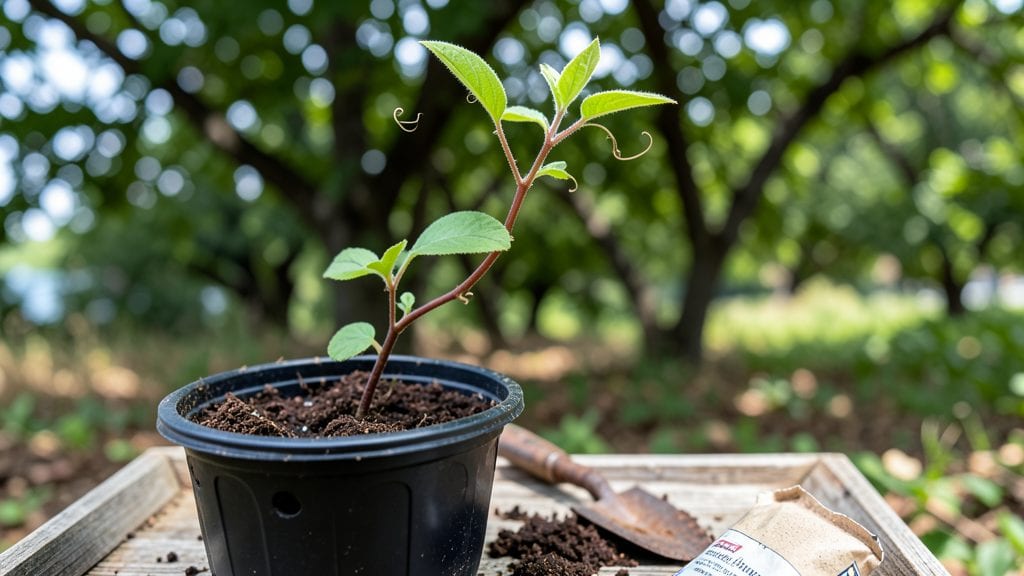
Growing a trumpet vine seedling from scratch is like watching a firework show in fast-forward—those first leaves unfurl with shocking speed once you get the conditions right. 🌱 I’ve started mine in early spring, and within weeks, they’re reaching for any support in sight, their vine-like stems growing up to 10 feet in a single season.
The key isn’t just patience; it’s knowing when to give them sunlight, when to hold back on water, and how to keep those delicate seedlings from toppling over before they even get a chance to climb.
The secret to their rapid growth starts with the soil—trumpet vines hate soggy roots but love well-draining, fertile mix with a touch of compost.
A sunny spot with at least six hours of direct light is non-negotiable, and if you’re growing them in containers, make sure the pot has drainage holes (they despise wet feet). Leggy seedlings? That’s usually a sign they need more light or less heat nearby. And damping off?
A quick spray of cinnamon powder or a fungicide mix saves the day before mold takes over.
By the time summer rolls around, your seedling will be a lush, climbing powerhouse, its trumpet-shaped blooms drawing hummingbirds like magnets. The vines are aggressive growers, so plan for sturdy trellises or fences—they’ll wrap around anything in their path.
With the right care, you’ll have a wall of vibrant orange, yellow, or red blooms by mid-season, and the best part? They keep coming back year after year if you let them.
Whether you’re training them up a pergola or letting them sprawl across an arbor, trumpet vines deliver instant drama to any garden.
The fast growth means quick rewards, but the real magic happens in how they transform a space—just don’t let them escape your yard’s boundaries unless you’re ready for a jungle takeover.
📚 In This Guide
- What you need
- Instructions
- Tips and common mistakes
- Wrapping up and next steps
What you need
- ● Trumpet vine seeds – 2-5 seeds (or a young seedling if purchasing from a nursery). Choose heirloom or organic seeds for best results.
- ● Well-draining potting mix – 5-10 gallons (look for a blend labeled for container plants or climbing vines). Avoid heavy garden soil.
- ● Growing containers – 2-3 medium-sized pots (5-7 inches deep) with drainage holes, or a seed-starting tray if germinating indoors.
- ● Organic compost or worm castings – 1-2 cups (boosts nutrient content for faster growth).
- ○ Slow-release fertilizer – 1-2 tbsp (optional but helpful for young seedlings). Look for a balanced 10-10-10 or 5-5-5 formula.
- ● Hand trowel or small shovel – For planting seeds or transplanting seedlings.
- ● Spray bottle – Keeps soil moist during germination (misting lightly 2-3 times daily).
- ● Garden gloves – Protects hands from soil and sharp seed coatings.
- ○ Trellis or climbing structure – Optional but recommended (e.g., metal lattice, wooden arbor, or sturdy stakes) to support the vine as it grows.
- ● Pruning shears – For trimming leggy growth or shaping the plant later.
- ○ pH testing kit – Optional (trumpet vines thrive in slightly acidic to neutral soil (pH 6.0-7.0)).
- ● Sunlight access – Full sun (6+ hours daily) is a must for healthy growth. Place seedlings in a south-facing window or under grow lights if indoors.
- ● Warmth – Trumpet vine seeds germinate best in 70-85°F (21-29°C). Use a heat mat if needed.
- ● Patience – Germination can take 2-4 weeks (sometimes longer!). Keep soil consistently moist.
- ● Outdoor space or large container – Trumpet vines can grow 20-30 feet in a single season! Ensure your final planting spot can accommodate its size.
Step-by-step instructions for growing trumpet vine seedlings
Here's how to get those bold trumpet-shaped blooms growing strong in no time.
🌱 Step 1: Select and Prepare Your Seedlings
Start with healthy trumpet vine seedlings from a trusted nursery—look for sturdy stems with 3-4 sets of leaves. I always check for signs of pests or disease before bringing them home. If you're growing from seed, expect 4-6 weeks of indoor germination before you'll have seedlings ready to transplant.
Acclimate your seedlings to outdoor conditions over 7-10 days before planting. Place them in a shaded spot outside for 2-3 hours daily, gradually increasing their time outdoors. This process, called hardening off, prevents shock when you move them permanently.
🪴 Step 2: Choose the Perfect Planting Location
Trumpet vines thrive in full sun, so pick a spot that gets at least 6-8 hours of direct sunlight daily. They need strong support, whether it's a sturdy trellis, fence, or pergola. I like to plant mine near a fence because the vine will naturally climb and spread quickly.
Dig a hole twice as wide as the root ball but only as deep as the container the seedling came in. This ensures the plant sits at the same depth it was growing before, preventing stress. Loosen the soil at the bottom of the hole to encourage root growth into the surrounding earth.
☀️ Step 3: Plant and Water Thoroughly
Remove the seedling from its container and gently tease apart the roots if they're circling. Place the seedling in the hole, backfill with soil, and firm it gently around the base. Water deeply right after planting to settle the soil and eliminate air pockets around the roots.
Use 1-2 gallons of water for each seedling, letting it soak into the ground. You'll see the soil around the base settle as it absorbs moisture—this tells me the roots are getting the hydration they need to establish quickly.
🌿 Step 4: Provide Support and Encourage Growth
Immediately after planting, attach the vine to its support structure using soft plant ties or twine. Trumpet vines grow aggressively, so secure them every 12-18 inches as they climb. I like to use fabric plant ties because they're gentle on the stems and won't cut into the vine as it thickens.
Feed your trumpet vine with a balanced, slow-release fertilizer at planting time. Then, fertilize again in 6-8 weeks to support rapid growth. You'll notice new leaves emerging within 2-3 weeks—that's your sign the plant is thriving and ready to take off.
✂️ Step 5: Prune for Health and Shape
Prune your trumpet vine in early spring to remove any dead or damaged growth. Cut back any leggy stems by one-third to encourage bushier growth. I always use clean, sharp pruners to make cuts just above a leaf node or bud.
During the growing season, trim back any stems that grow too long or become overcrowded. This keeps the vine manageable and ensures it puts energy into producing those stunning trumpet-shaped flowers. You'll see blooms appear in 2-3 months after planting, and they'll keep coming back if you maintain the plant properly.
Tips & tricks for fast-growing trumpet vine seedlings
Here's what I've learned to help your trumpet vine seedlings grow bold and fast—without the common growing pains.
Seedling Selection: When choosing your trumpet vine seedlings, focus on those with vibrant green leaves and stems that feel sturdy when you gently tug them. Avoid seedlings with yellowing leaves or wilting stems—these are signs of stress or disease. I always check the undersides of leaves for tiny webs or bugs that might indicate pests before bringing them home. Healthy seedlings with 3-4 sets of leaves are ready to thrive in your garden.
Hardening Off Hack: Don't rush the 7-10 day hardening off process! Start with just 2-3 hours of shade exposure on day one, and gradually increase their outdoor time by 1-2 hours each day. I've seen seedlings go into shock when moved directly from indoor pots to full sun. Watch for wilting—if you see any, bring them back inside for another day of shorter exposure. This gradual adjustment is what helps them transition smoothly to outdoor life.
Sunlight Strategy: Trumpet vines love full sun, but if your location gets intense afternoon heat, consider planting in a spot that gets morning sun and afternoon shade. I've had great success with trumpet vines near fences or trellises that provide some natural shade during the hottest part of the day. The key is at least 6-8 hours of sunlight—just make sure those hours are spread out to avoid heat stress.
Watering Wisdom: After planting, give your seedlings that full 1-2 gallons of water, but don't let them sit in soggy soil. I like to water deeply once a week rather than giving small amounts daily. This encourages deep root growth. You'll know you're doing it right when you see the soil around the base settle after watering—this tells me the roots are absorbing moisture and establishing themselves quickly.
Pro Tips for Trumpet Vine Seedling
- Here's what I've learned to help your trumpet vine seedlings grow bold and fast—without the common growing pains.
- Seedling Selection: When choosing your trumpet vine seedlings, focus on those with vibrant green leaves and stems that feel sturdy when you gently tug them.
- Hardening Off Hack: Don't rush the 7-10 day hardening off process!
Frequently asked questions
Got questions about growing trumpet vine seedlings? You’re not alone!
Here are answers to the most common queries—from timing to troubleshooting—to help you nurture a thriving climber with confidence.
How long does it take for trumpet vine seedlings to germinate?
Trumpet vine seeds typically germinate in 10–21 days if kept warm (around 70–80°F) and moist. For faster results, soak seeds in warm water for 24 hours before planting. Patience is key—some stubborn seeds may take up to 30 days! Pro tip: Use a heat mat to speed up germination.
When is the best time to plant trumpet vine seedlings outdoors?
Wait until after the last frost (spring) when soil temps are consistently above 60°F. Seedlings thrive in warm conditions, so planting too early risks frost damage. If you’re in a hot climate, late summer/early fall can also work—but prioritize established roots before winter.
Can I grow trumpet vine from cuttings instead of seeds?
Softwood cuttings
(from new growth) root easily in water or moist perlite. Take 4–6 inch cuttings in spring/summer, strip lower leaves, and keep them humid until roots form (2–4 weeks). This method gives you instant vines—perfect for filling gaps fast!
Why aren’t my trumpet vine seedlings sprouting? Troubleshooting tips.
Check these common issues:
- Cold soil: Trumpet vine seeds need warmth—bury them only ½ inch deep in well-draining soil.
- Dry conditions: Keep soil consistently moist (not soggy) until germination.
- Old seeds: Viability drops after 1–2 years; buy fresh seeds for best results.
- Poor drainage: Overwatering suffocates seeds—use a mix with perlite or sand.
How fast do trumpet vine seedlings grow, and how tall can they get?
Expect rapid growth—up to 10–12 feet per season with proper care! Mature vines can reach 30–40 feet or more, making them ideal for trellises, fences, or pergolas. Prune annually to control size and encourage bushier blooms. Fun fact: Their vibrant orange-red flowers attract hummingbirds!
Wrapping up and next steps
Growing a trumpet vine seedling is a rewarding way to add vibrant, fast-growing beauty to your garden or patio! With the right care—sunlight, well-draining soil, and patience—you’ll soon enjoy stunning blooms that attract hummingbirds and butterflies. Don’t wait—start your seedling today and watch your space transform!
🌱 Next Steps:
- Pick your spot and prep the soil (or pot!).
- Plant your seedling and water it gently.
- Monitor growth and prune as needed for a lush, thriving vine.