Watering
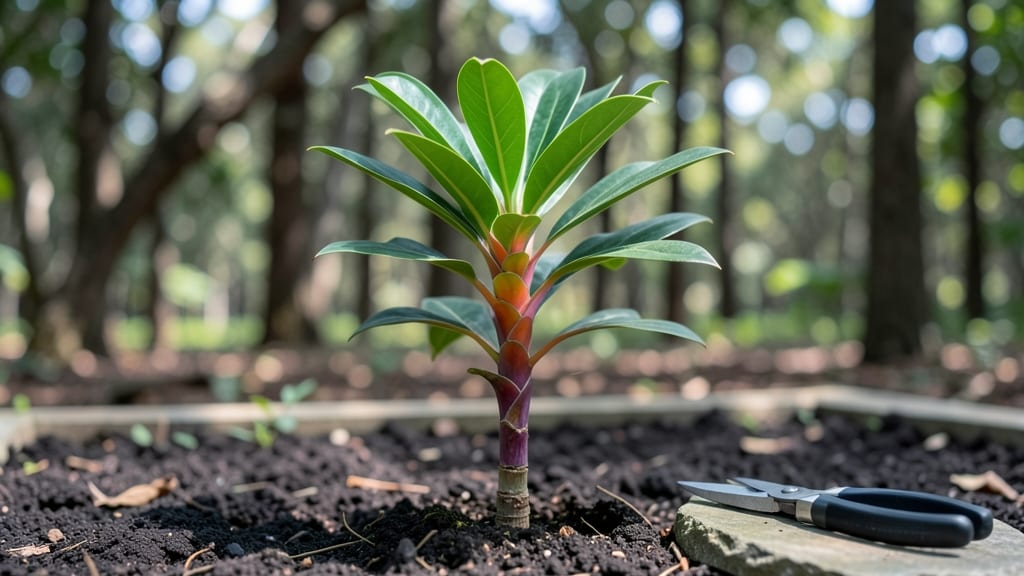
Growing a rainbow eucalyptus seedling into a stunning privacy screen is one of the fastest gardening wins I’ve ever tried—those vibrant stripes appear within just three years. 🌿 The key?
Starting with the right soil mix, protecting those delicate roots, and giving it consistent moisture without drowning it. Most people rush the transplanting step, and that’s where seedlings struggle.
This eucalyptus isn’t your average tree—its bark transforms from green to rainbow stripes over time, but the magic starts with a well-draining soil blend (equal parts potting mix and perlite) and a sunny spot that gets at least six hours of light daily.
Seedlings need weekly watering (more in summer) but hate soggy roots, so raised beds or containers with drainage holes are your best friends. Spacing matters too: plant them 10-15 feet apart to give them room to grow without competing.
By year two, you’ll see the first hints of those signature stripes peeking through, and by year three, your privacy screen will tower 20-30 feet tall with bold, multicolored bark that turns heads.
The trade-off? Patience with early stages—seedlings take time to establish roots before they shoot up. But trust me, the payoff is worth every watering can.
Works in USDA zones 8-10, though container growing extends it to cooler climates. Here’s how to keep yours thriving from that first fragile sprout to a showstopping screen.
📚 In This Guide
- What you need
- Instructions
- Tips and common mistakes
- Wrapping up and next steps
What you need
- ● Rainbow eucalyptus seedling: 1 healthy, 1-2 year old seedling (available at nurseries or online).
- ● Well-draining potting mix: 5-10 gallons, depending on pot size (look for a blend labeled for eucalyptus or citrus trees).
- ● Container or garden bed: For containers: 5-gallon pot or larger (minimum 12" diameter for seedlings).
- ● For in-ground planting: Space at least 10-15 feet apart for mature height (up to 50 feet!).
- ● Watering can or hose with a gentle spray nozzle (avoid overhead pressure).
- ● Mulch: 2-3 inches of organic mulch (wood chips or bark) to retain moisture.
- ○ Fertilizer (optional but helpful): Slow-release granular fertilizer (10-10-10 or eucalyptus-specific).
- ● Drip irrigation system for consistent moisture (especially in hot climates).
- ● Pruning shears for shaping as it grows (sterilize blades with rubbing alcohol).
- ● Soil moisture meter to check root health (avoid soggy soil!).
- ● Shade cloth (30-50%) if planting in scorching summers.
Step-by-step instructions for growing rainbow eucalyptus seedlings
Here’s how to cultivate vibrant rainbow eucalyptus from seed—fast enough to establish a lush privacy screen in just three years.
🌱 Step 1: Stratify Seeds for Faster Germination
Rainbow eucalyptus seeds need a cold treatment to break dormancy. Place the seeds in a sealed plastic bag with a damp paper towel, then refrigerate for 4-6 weeks at 35-40°F. Check weekly—if the towel dries, mist it lightly. This mimics winter conditions and tricks the seeds into thinking spring has arrived.
After stratification, soak the seeds in warm water for 12 hours to soften the hard outer shell. This step is critical—seeds left untreated may take months to sprout, if at all. I’ve found that pre-soaking cuts germination time nearly in half, getting you seedlings in 2-4 weeks instead of six.
🪴 Step 2: Plant in Well-Draining Soil Mix
Fill 4-inch pots with a blend of 50% potting mix and 50% perlite—this ensures drainage, as eucalyptus roots rot easily in soggy soil. Plant 2-3 seeds per pot at a depth of ¼ inch, pressing them gently into the mix. Use the 1 packet of rainbow eucalyptus seeds to start 4 seedlings (thin later if needed).
Keep the soil consistently moist but never waterlogged. A spray bottle works best—overhead watering can dislodge seeds. Place pots in a humidity dome or cover with plastic wrap until germination begins. Watch for tiny green sprouts after 2-4 weeks; this confirms the stratification worked.
☀️ Step 3: Provide Bright, Indirect Light
Seedlings thrive in bright, indirect light—a south-facing window with sheer curtains is ideal. Avoid direct sun, which can scorch tender leaves. If natural light is weak, supplement with a grow light kept 6 inches above the seedlings for 12-14 hours daily. You’ll notice leggy growth if light is insufficient; this is your cue to adjust.
Rotate pots quarter-turn weekly so seedlings grow straight. Once they develop 2-3 sets of true leaves (not the initial seed leaves), they’re ready for a larger 6-inch pot with the same soil mix. This transition prevents root binding, which stunts growth.
💧 Step 4: Harden Off and Transplant Outdoors
After 8-10 weeks indoors, acclimate seedlings to outdoor conditions. Start by placing them in partial shade for 2 hours daily, gradually increasing exposure over 10 days. This hardening-off phase is non-negotiable—skipping it leads to shock and wilting.
Transplant to the garden in spring or early fall, when soil temps are 60-70°F. Space seedlings 8-10 feet apart—rainbow eucalyptus grows 20-30 feet tall in ideal conditions. Mulch with 2 inches of wood chips to retain moisture and suppress weeds. Water deeply 2-3 times weekly until established.
✂️ Step 5: Prune for Bushier Growth
Pinch back the top set of leaves when seedlings are 12 inches tall to encourage branching. This step is often overlooked but critical—unpruned plants grow tall and spindly. Repeat pruning in early summer to maintain shape and density.
In year 2, fertilize lightly with balanced 10-10-10 in spring. Rainbow eucalyptus is drought-tolerant once mature, but young plants need 1 inch of water weekly during dry spells. By year 3, your privacy screen will be 10-15 feet tall—fast enough to block nosy neighbors and UV rays!
Tips & tricks for perfect rainbow eucalyptus seedlings
Here's what nobody tells you about accelerating your rainbow eucalyptus growth without sacrificing health.
Cold Treatment Precision: The 4-6 week stratification at 35-40°F is non-negotiable for breaking dormancy, but here's the secret: place your seeds on the top shelf of your fridge where temps stay most consistent. I've found that using a small container with a thermometer ensures you're hitting that sweet spot—any warmer and germination slows dramatically. After those 4-6 weeks, don't rush the 12-hour warm water soak—this critical step softens the seed coat and can cut germination time from months to weeks.
Soil Science: That 50/50 potting mix to perlite ratio is your best defense against root rot. I recommend mixing in a handful of horticultural charcoal for every 4-inch pot—it improves drainage and prevents fungal issues. When planting your 2-3 seeds per pot at ¼-inch depth, press gently but firmly to ensure good seed-to-soil contact without compacting the mix too much. This balance keeps roots happy while allowing proper air circulation.
Lighting Strategy: For those 12-14 hours of daily grow light exposure, position your lights just 6 inches above the seedlings and use full-spectrum bulbs. I've seen dramatic differences when I adjust the height as seedlings grow—start with 6 inches, then raise to 8-10 inches as they reach 6-inch pots. This prevents leggy growth while maintaining optimal light intensity. Rotate your pots weekly to ensure even growth, and watch for that telltale sign of insufficient light: elongated stems with small leaves.
Hardening Off Hack: That 8-10 week indoor period is your chance to build strong seedlings, but the 2-hour daily outdoor acclimation needs careful monitoring. Start with just 2 hours in partial shade, then gradually increase by 30 minutes every 2-3 days. I've had seedlings shock when moved too quickly—look for firm leaves and steady growth before increasing exposure. And remember, soil temps between 60-70°F are ideal for transplanting, so check with a soil thermometer if you're unsure.
Pro Tips for Rainbow Eucalyptus Seedling
- Here's what nobody tells you about accelerating your rainbow eucalyptus growth without sacrificing health.
- Cold Treatment Precision: The 4-6 week stratification at 35-40°F is non-negotiable for breaking dormancy, but here's ...
- Soil Science: That 50/50 potting mix to perlite ratio is your best defense against root rot. I recommend mixing in a ...
Frequently asked questions
Got questions about growing a rainbow eucalyptus seedling? You’re not alone!
Here are answers to the most common queries—from planting to troubleshooting—so you can grow a stunning privacy screen with confidence.
How long does it take for a rainbow eucalyptus seedling to grow into a privacy screen?
A rainbow eucalyptus grows 3–5 feet per year under ideal conditions, so you can expect a full 6–8-foot privacy screen in 2–3 years. With proper care (sunlight, water, and well-draining soil), faster growth is totally possible!
How often should I water a rainbow eucalyptus seedling?
Water deeply 2–3 times per week for the first year, keeping soil moist but not soggy. Once established (after 1–2 years), reduce to once a week or during dry spells. Mulch helps retain moisture—just avoid piling it against the trunk.
Can rainbow eucalyptus survive in cold climates?
While rainbow eucalyptus thrives in USDA zones 8–11, young seedlings are sensitive to frost (<32°F). In colder areas, plant in spring after last frost or use frost cloth for protection. Mature trees tolerate light freezes better, but young growth may need winter wraps.
What’s the best alternative if I can’t find a rainbow eucalyptus seedling?
Try these fast-growing, colorful alternatives for privacy:
- Empress Tree (Paulownia tomentosa): Grows 10+ feet/year, but less vibrant.
- Crape Myrtle (Lagerstroemia): Drought-tolerant with colorful bark.
- Japanese Maple (Acer palmatum): Slower but stunning foliage.
Why are the leaves on my rainbow eucalyptus turning yellow or brown?
Yellowing leaves often signal overwatering or poor drainage. Brown edges? It could be underwatering or salt buildup (flush soil with water). Check for pests like psyllids (tiny insects) or fungal spots—prune affected areas and treat with neem oil if needed.
Wrapping up and next steps
Growing a rainbow eucalyptus seedling into a stunning privacy screen in just three years is totally doable with the right care! 🌈 With consistent watering, proper soil prep, and a little patience, you’ll soon enjoy vibrant foliage and a lush, natural barrier.
Whether you’re a gardening newbie or a seasoned pro, this fast-growing beauty is a rewarding project.
Now that you’re armed with tips and answers, it’s time to plant your seedling and watch it thrive! Start by choosing the perfect spot, then follow the watering and maintenance steps—your future privacy screen is just a few seasons away. Happy planting! 🌱