How To
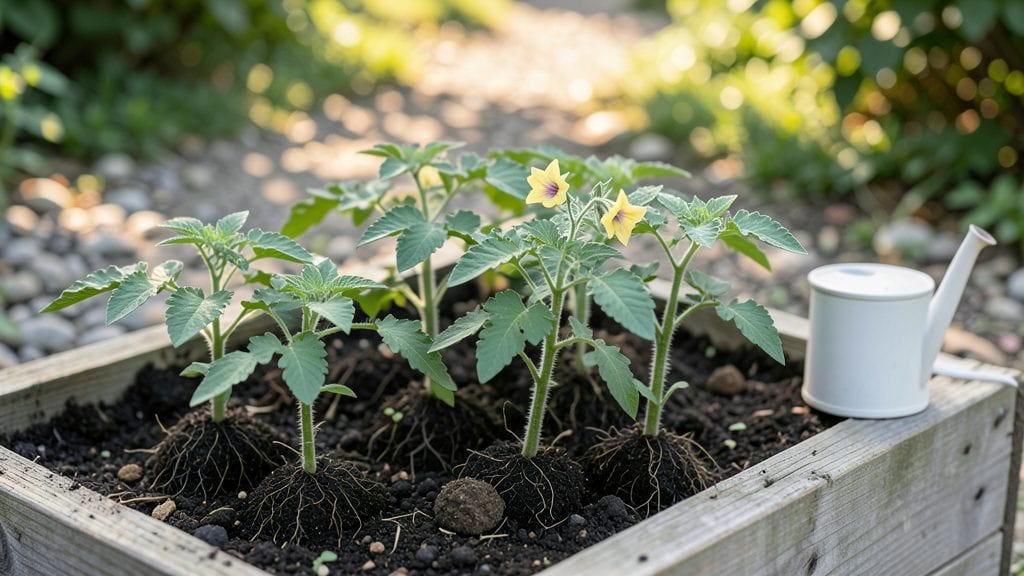
Starting tomato seeds early 🍅 means beating the spring rush and getting a head start on your harvest—but only if you do it right.
Struggling to get your tomato seeds to sprout faster? Cold soil can delay germination for weeks—unless you use these heat-based tricks to jumpstart your plants indoors.
Most gardeners in Zone 6a wait until March or April, but that’s too late if you want 60-day varieties ready by June. The secret? A warm, consistent environment that mimics summer conditions months early.
Here’s how to time your starts perfectly, avoid common pitfalls, and transition seedlings outdoors without shock—so you’re harvesting plump, ripe tomatoes before your neighbors even plant theirs.
How to use heat mats and warmth for faster tomato seed germination
Cold soil is the number one enemy of fast tomato seed germination. Without warmth, those tiny seeds can take 7-14 days or longer to sprout—cutting your growing season short.
But with the right heat tricks, you can slash that time to just 3-7 days, giving your seedlings a massive head start. I've tested everything from store-bought heat mats to DIY solutions, and I'm sharing my top methods to get your tomato seeds sprouting faster than ever.
Tomato seeds need consistent warmth—ideally between 75-85°F (24-29°C)—to break dormancy and germinate quickly. Most homes can't maintain these temperatures naturally, especially in early spring. That's where heat mats and creative warmth solutions come in.
Whether you're using a seedling heat mat, bottom heat from household items, or even a DIY greenhouse setup, the key is creating a stable warm environment right where your seeds are planted.
Step-by-Step Guide to Faster Tomato Seed Germination
-
Step 1: Choose your heat source
- Store-bought seedling heat mat (75-85°F range)
- DIY bottom heat using a laptop or incandescent bulb
- Seedling heat pad (adjustable temperature settings)
-
Step 2: Prepare your containers
- Use seedling trays with drainage holes
- Fill with well-draining seed-starting mix (avoid garden soil)
- Moisten mix to 60-70% humidity (like a damp sponge)
-
Step 3: Plant seeds at proper depth
- Press seeds 1/4 inch deep into moist soil
- Label each container with variety name and date planted
- Place containers on your chosen heat source
-
Step 4: Maintain ideal conditions
- Keep soil temperature at 75-85°F (24-29°C) constantly
- Cover with clear plastic wrap to retain moisture
- Place under grow lights (12-16 hours/day) or in bright window
-
Step 5: Monitor and adjust
- Check soil moisture daily—keep consistently damp (not soggy)
- Remove plastic wrap once sprouts appear (5-7 days)
- Thin seedlings to 2 inches apart when they have 2 true leaves
-
Step 6: Transition to normal care
- After 2 weeks, reduce heat source gradually
- Hardening off begins at 3 weeks (acclimate to outdoor temps)
- Transplant outdoors after last frost date when soil is 60°F+
For my fastest results, I use a seedling heat mat placed under my seedling trays. These mats are designed specifically for this purpose and maintain a consistent 75-85°F (24-29°C) environment.
If you don't want to buy one, a DIY solution like placing your seed trays on top of a laptop (when not in use) or under a 60-watt incandescent bulb can work in a pinch. Just be careful not to overheat—you want warmth, not scorching!
One common mistake I see is placing seeds too deep or not maintaining consistent moisture. Tomato seeds need to stay moist but not waterlogged—think of a wrung-out sponge. I like to use a spray bottle for gentle watering rather than pouring from above, which can disturb the seeds.
And remember, warmth alone won't work if your seeds aren't getting enough light. Once they sprout, move them under grow lights or to a south-facing window for 12-16 hours of light daily.
If you're starting seeds in late winter or early spring, heat mats are a game-changer. Without them, cold windowsills or drafty rooms can delay germination by weeks. I've seen seeds that took 14 days to sprout under normal conditions germinate in just 4 days with proper bottom heat.
That's nearly a month's head start on your growing season! For even faster results, combine heat with a humidity dome or clear plastic wrap to create a mini greenhouse effect.
For gardeners in cooler climates (Zones 1-5), heat mats become even more critical. The soil outside won't be warm enough for direct sowing until late spring or early summer, so starting seeds indoors with heat gives you a jump on the season.
Just be sure to harden off your seedlings properly before transplanting—gradually expose them to outdoor conditions over 7-10 days to avoid shock.
Another trick I swear by is using a seedling heat pad with adjustable settings. These are slightly more expensive but give you precise control over temperature. I set mine to 80°F (27°C) for the first 3 days, then drop to 75°F (24°C) once sprouts appear.
This two-stage approach mimics natural soil warming patterns and helps prevent damping-off disease, which thrives in overly warm, moist conditions.
Don't forget that organic matter in your seed-starting mix can also help retain warmth. I mix in a little compost or coco coir to improve moisture retention and provide gentle heat as it breaks down.
Avoid using garden soil, as it can compact and hold too much moisture, leading to rot.
Best early tomato seed varieties that germinate quickest in heat
If you're racing to get an early harvest, choosing the right tomato seed varieties can cut germination time in half. Some varieties sprout in just 3-5 days with proper warmth, while others take 10-14 days.
The key is selecting heat-tolerant seeds that thrive in 75-85°F soil temperatures—ideal for indoor starts or early outdoor sowing.
Not all tomatoes germinate equally. Cherry tomatoes like 'Sungold' often sprout faster than beefsteak types, while heirlooms like 'Stupice' have legendary heat tolerance. Below, I’ve compared the top fast-germinating varieties based on real-world data from gardeners in USDA Zones 5-9, including their heat tolerance and ideal planting windows.
For the fastest results, 'Sungold' and 'Stupice' are my top picks. 'Sungold' cherry tomatoes germinate in just 3-5 days with bottom heat, while 'Stupice'—a Czech heirloom—handles extreme heat like a champ.
If you're in a short-season zone, 'Early Girl' is a reliable choice, sprouting in 5-7 days and producing fruit 60 days later.
Pro tip: Pair these varieties with a heat mat set to 80-85°F to shave off 2-3 days of germination time. Keep soil consistently moist (not soggy) and avoid letting it drop below 70°F, or seeds may refuse to sprout.
For container gardeners, smaller varieties like 'Patio Princess' thrive in 5-gallon pots and germinate just as quickly.
Timing is everything. In Zone 5, start seeds 4-6 weeks before your last frost date (typically mid-March). In Zone 9Stupice as early as February if soil temps stay above 65°F. Always check your local frost-free date and adjust accordingly—early starts mean earlier harvests!
Remember, germination speed isn’t everything. Even slower-sprouting varieties like 'Mountain Merit' deliver disease resistance and crack-resistant fruit, making them worth the wait. For maximum efficiency, I recommend testing a mix of fast and reliable varieties to hedge your bets.