Planting
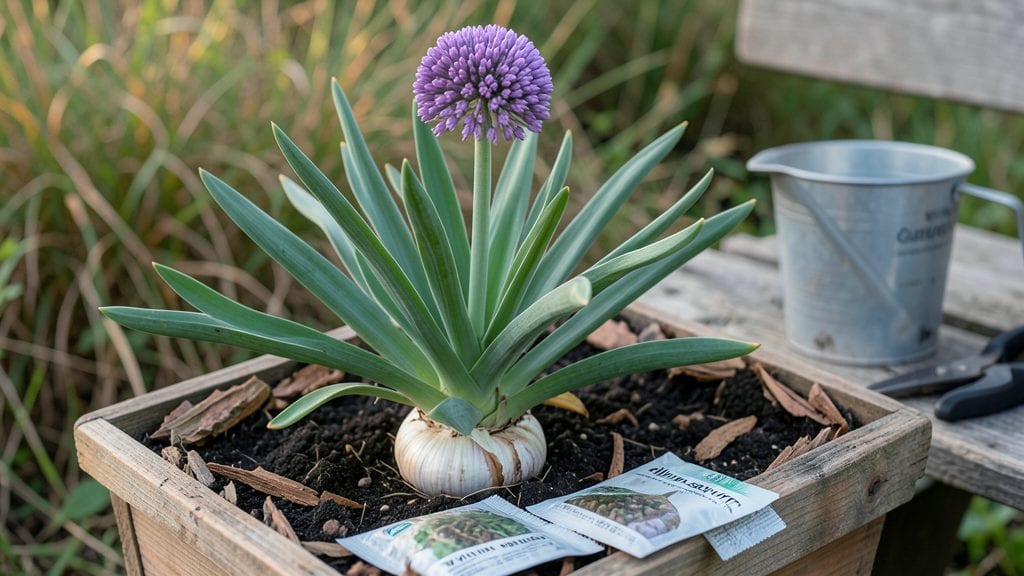
Growing allium plant seeds delivers globe-shaped blooms that look like they belong in a botanical painting. 🌟 I’ve started alliums from seed for years, and the secret to those showstopping flowers lies in timing, soil, and a little patience—no fancy equipment required.
The right varieties produce edible greens, fragrant bulbs, or striking purple pom-poms that last from spring to summer.
You’ll need a sunny spot (at least 6 hours of light), well-draining soil, and a flat tray or small pots. Allium seeds are tiny but tough—plant them just below the surface in early spring or late summer, and keep the soil consistently moist (not soggy).
Most varieties sprout within 10-14 days, with blooms appearing in as little as 3 weeks for fast growers like chives.
The payoff is worth the wait: ornamental alliums add height and drama to borders, while culinary types like garlic chives bring zesty flavor to dishes. Once established, they’re nearly maintenance-free, returning year after year. Here’s how to get those first sprouts popping through the soil.
Works for garden beds, containers, or even windowsills—just adjust sunlight and space. Whether you’re after edible harvests or garden drama, alliums deliver. Let’s get those seeds in the ground!
📚 In This Guide
- What you need
- Instructions
- Tips and common mistakes
- Wrapping up and next steps
What you need
- ● Allium seeds: Choose Allium cepa (onion), Allium sativum (garlic), or ornamental varieties like Allium giganteum. Buy 1–2 seed packets (50–100 seeds per packet).
- ● Seed-starting mix: 1–2 bags (10–12 quarts) of lightweight, well-draining potting soil (avoid garden soil—it’s too dense!).
- ● Containers: Seed trays or pots: 6–12 (3–4 inches deep) with drainage holes.
- ● OR 1–2 biodegradable peat pots (if direct-sowing).
- ● Watering can or spray bottle: A gentle misting feature helps avoid disturbing seeds.
- ● Grow lights or sunny windowsill: A 1–2 bulb LED grow light (6–12 inches above seedlings) or a south-facing window (6+ hours of sunlight/day).
- ● Plant labels: 10–20 (to track varieties if growing multiple types).
- ○ Heat mat (optional): Speeds germination—use a 70–75°F mat under trays.
- ● Fertilizer: A balanced liquid fertilizer (5-5-5 or 10-10-10) for transplanting.
- ● Tweezers: For delicate seed placement (especially small allium seeds).
- ● Time: 3–4 weeks for seedlings; 10–12 weeks for harvest (varies by variety).
- ● Patience: Allium seeds germinate slowly (10–21 days)—stay consistent!
- ● Space: Ensure 4–6 inches between mature plants (or 1–2 inches in trays).
Step-by-Step instructions for growing allium seeds into hardy plants
Here’s how to transform tiny allium seeds into bold, long-stemmed blooms ready for cutting in just three weeks.
🌱 Step 1: Prepare Containers and Sow Seeds at the Right Depth
Fill each of your 4-inch pots with 1 cup of seed-starting mix per pot, leaving ½ inch of space at the top. Press the mix down gently with your fingers—just enough to remove air pockets but not compact it tightly. Allium seeds are tiny, so I use a toothpick to create a shallow furrow about ⅛ inch deep in the soil.
Sprinkle 2-3 seeds into each furrow, spacing them ¼ inch apart. Cover them with a thin layer of additional mix, no more than ⅛ inch thick. Mist the soil surface lightly with water until it feels evenly damp—like a wrung-out sponge. Overwatering now can wash seeds away or create a crust that blocks germination.
💧 Step 2: Provide Warmth and Moisture for Germination
Place the pots in a warm spot where the soil stays between 65-75°F. A seedling heat mat set to 70°F speeds things up, but a sunny windowsill or under a grow light works too. Cover the pots loosely with plastic wrap to retain humidity, but leave a small gap for airflow—condensation on the wrap means it’s too tight.
Check the soil daily. It should stay consistently moist but never soggy. You’ll see the first green shoots in 7-14 days, though some varieties like chives may take up to 21 days. Once 50% of seeds have sprouted, remove the plastic wrap immediately to prevent damping-off, a fungal disease that turns seedlings to mush overnight.
☀️ Step 3: Move to Bright Light and Harden Off Seedlings
When seedlings have 2-3 true leaves (the first pair are cotyledons, not true leaves), move them to a spot with 6-8 hours of bright light daily. A south-facing window or a grow light kept 4-6 inches above the plants works best. Alliums grow leggy fast if light is insufficient—you’ll spot this when stems stretch thin and leaves space out.
Start hardening off 10 days before transplanting by placing seedlings outside in partial shade for 1-2 hours the first day. Gradually increase their outdoor time by 1 hour daily, ending with a full day in the garden. Watch for wilting or yellowing leaves—this means they’re not ready for full sun yet.
🪴 Step 4: Transplant to Final Growing Location
Choose a site with full sun to partial shade and well-draining soil. Alliums hate soggy roots, so amend heavy soil with 1 cup of compost per planting hole. Dig holes twice as wide as the root ball but no deeper—burying the stem too far encourages rot. Space plants 6-12 inches apart, depending on the variety.
Water deeply after transplanting to settle the soil around roots. Mulch with ½ inch of straw or shredded leaves to retain moisture and suppress weeds. You’ll see new growth within 3-5 days, signaling the plants have taken root. Resist the urge to fertilize until 4 weeks after transplanting—young alliums need time to establish before they can handle extra nutrients.
Tips & tricks for perfect allium seedlings
These simple tricks will help you grow sturdy, vibrant allium plants that thrive from seed to bloom.
Seed Placement Precision: In Step 1, the ⅛-inch furrow depth is critical—too deep and seeds won't sprout, too shallow and they'll dry out. Use a toothpick to mark your line before sowing, and gently pat the soil around the seeds rather than pressing down. This creates just enough contact for moisture without compacting the delicate mix.
Germination Temperature Matters: The 65-75°F soil temperature range in Step 2 is your sweet spot. If your home stays cooler, place pots on a seedling heat mat set to 70°F for consistent warmth. I've seen germination rates double when seeds stay in this ideal range. Monitor with your finger—soil should feel like a damp sponge, not dripping wet.
Light Transition Strategy: When moving seedlings to 6-8 hours of bright light in Step 3, do it gradually over 3-4 days. Sudden full sun causes shock—start with morning light only, then add afternoon exposure. Watch for leggy growth (stems stretching toward light) as your warning sign to adjust. A grow light 4-6 inches above works wonders if natural light is limited.
Transplanting Timing: The 10-day hardening off period in Step 4 is non-negotiable for alliums. Start with just 1-2 hours of partial shade, then increase by 1 hour daily. I've seen seedlings wilt dramatically when rushed into full sun too soon—this gradual approach builds their resilience. After transplanting, water deeply but avoid soggy soil, which alliums absolutely despise.
Pro Tips for Allium Plant Seeds
- These simple tricks will help you grow sturdy, vibrant allium plants that thrive from seed to bloom.
- Seed Placement Precision: In Step 1, the ⅛-inch furrow depth is critical—too deep and seeds won't sprout, too shallow...
- Germination Temperature Matters: The 65-75°F soil temperature range in Step 2 is your sweet spot. If your home stays ...
Frequently asked questions
Got questions about growing allium plant seeds? You’re not alone! Here are some of the most common queries—and their straightforward answers—to help you cultivate confidence (and blooms) in just 3 weeks.
When is the best time to plant allium seeds?
Allium seeds thrive in cool weather, so aim for early spring (4–6 weeks before the last frost) or late summer (8–10 weeks before the first frost). Avoid planting when temps exceed 80°F (27°C)—they’ll sulk in heat! For faster blooms, start seeds indoors 6–8 weeks before transplanting.
How long do allium seeds take to sprout?
Patience pays off! Most allium seeds (like garlic chives or ornamental onions) sprout in 10–21 days under ideal conditions (moist soil, 60–70°F/15–21°C). If nothing emerges after 3 weeks, gently scratch the soil surface—seeds may need light to germinate. Pro tip: Keep soil consistently moist but not soggy.
Can I grow alliums from store-bought bulbs instead of seeds?
Many alliums (like garlic, shallots, or chives) regrow from bulb divisions or scraps. Simply separate bulbs, plant the cloves/offsets 2–3 inches deep, and space them 4–6 inches apart. Seed-grown varieties (e.g., Allium giganteum) won’t regrow from bulbs, though—stick to seeds for those!
Why aren’t my allium seeds sprouting? Troubleshooting tips.
Try these fixes if your seeds are MIA:
Cold soil?
Alliums need consistent warmth (50°F/10°C minimum). Use a seedling heat mat if temps dip.
Too deep?
Plant seeds ¼ inch deep max—they need light to germinate.
Old seeds?
Allium seeds lose viability after 1–2 years. Test a few in damp paper towels for viability.
Fungal issues?
If mold appears, improve drainage or use a fungicide spray (neem oil works!).
Do allium plants need full sun?
Yes! Alliums crave 6–8 hours of direct sunlight daily for robust growth and dramatic blooms. In hot climates, partial shade (4–6 hours of sun) can prevent bolting (premature flowering). If your garden is shady, opt for Allium schoenoprasum (chives)—they tolerate lighter conditions better.
Wrapping up and next steps
Growing allium plant seeds is a rewarding journey that delivers stunning blooms and resilient harvests in just three weeks—perfect for gardeners eager to see quick results! 🌱 Whether you're drawn to their bold flowers or hardy edible varieties, these seeds are a game-changer for small spaces, containers, or kitchen gardens.
With the right prep, patience, and a little care, you’ll enjoy a thriving allium patch that’s as practical as it is pretty.
Ready to dive in? Start by gathering your seeds and supplies, then follow the steps above to kickstart your garden. Your future harvest (or showstopping blooms!) is just three weeks away—let’s grow something beautiful together! 🌸