Picking
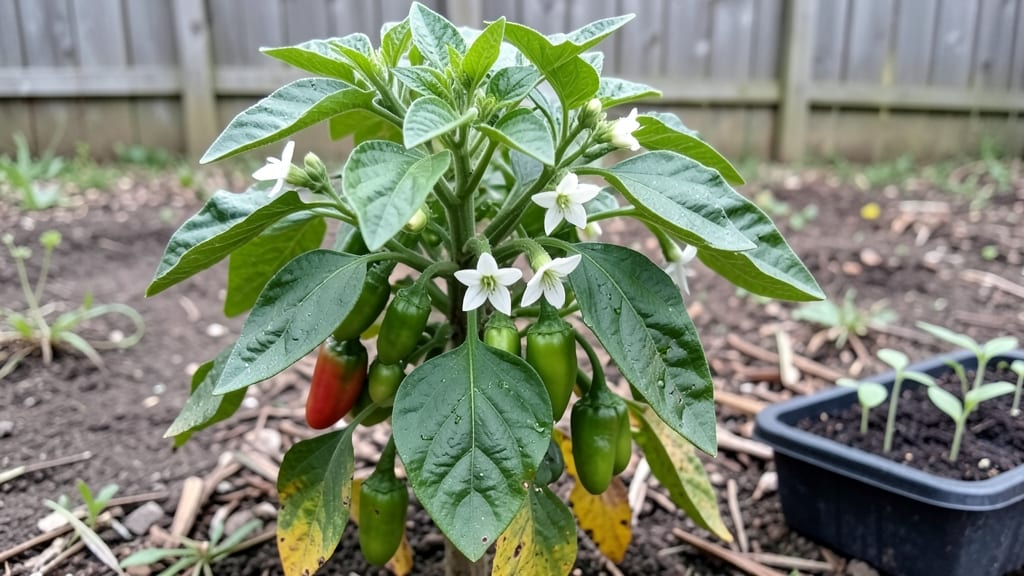
Teardrop pepper seeds sprout in 3-5 days with the right tricks—no more waiting weeks for those tiny green shoots. 🌱 I’ve grown these fiery little gems for years, and the secret to fast germination isn’t fancy equipment but a few simple tweaks most gardeners miss.
The payoff? Bushy plants packed with sweet, ornamental peppers that double as kitchen stars and garden showstoppers.
Start with warm, damp paper towels to kickstart germination—just fold the seeds between damp towels in a sealed bag for 2-3 days. Once sprouted, transplant into a light, well-draining mix (think 60% potting soil, 30% perlite, 10% compost) to keep roots happy.
Teardrop peppers thrive in full sun (6+ hours daily) and need consistent moisture, but avoid soggy soil—they’ll tell you when they’re thirsty with wilted leaves.
By week 6, you’ll have sturdy seedlings ready for transplanting, and by midsummer, those bushy plants will be loaded with 1-inch-long peppers that turn from green to red as they ripen.
The best part? They’re disease-resistant and produce for weeks, so you’ll have fresh peppers for salsas, pickling, or just snacking straight off the vine.
Works in containers or garden beds, and even beginner gardeners can nail this—just watch for aphids and keep the soil warm. Here’s how to turn those seeds into a pepper patch that outperforms store-bought plants every time.
📚 In This Guide
- What you need
- Instructions
- Tips and common mistakes
- Wrapping up and next steps
What you need
- ● Teardrop pepper seeds – 5–10 seeds (start small if testing germination speed!)
- ● Seed-starting mix – 1–2 cups of lightweight, sterile potting soil (avoid garden soil—it’s too dense!)
- ● Seed trays or small pots – 2–4 (2–3 inches deep) with drainage holes
- ● Spray bottle – For gentle watering (no drowning seeds!)
- ● Plastic wrap or humidity dome – To retain moisture while seeds germinate
- ● Grow lights or sunny windowsill – 6–8 hours of light daily (south-facing windows work if natural light is strong)
- ○ Thermometer (optional but helpful) – Ideal germination temp: 75–85°F (24–29°C)
- ● Heating mat – Speeds up germination (especially in cooler climates)
- ● Fertilizer (balanced, 5-5-5 or 10-10-10) – Diluted to half-strength for seedlings
- ● Plant labels – To track varieties if growing multiple types
- ● Transplanting pots (3–4 inches) – For when seedlings outgrow their starter homes
- ● Pruning shears – For future bushiness (trim lateral stems later!)
Step-by-step instructions for germinating teardrop pepper seeds
Here’s how to coax those tiny teardrop pepper seeds into strong, bushy plants in record time.
🌱 Step 1: Pre-Soak Seeds for Faster Germination
Teardrop pepper seeds have tough outer shells that slow germination. Place them in a small bowl and cover with lukewarm water for 12-24 hours. This softens the seed coat and speeds up sprouting—you’ll see the difference in just 3-5 days instead of the usual 10-14. Drain and pat them dry before planting.
I like to use a mesh strainer to drain excess water without damaging the seeds. If you forget to soak, don’t stress—just plant them dry, but expect germination to take 2-3 days longer. The key is consistency: keep the water temperature stable, and avoid cold drafts.
🪴 Step 2: Plant in Warm, Well-Draining Soil
Fill small seedling pots (at least 2-3 inches deep) with a mix of 50% seed-starting mix and 50% perlite to ensure fast drainage. Teardrop peppers hate soggy roots, so avoid compacted soil. Plant seeds ¼ inch deep, spacing them 1 inch apart in each pot.
Gently press the soil around the seeds to secure them, but don’t pack it down. The goal is to create a loose, airy environment that encourages quick root development. Place the pots in a warm spot—ideal germination temperature is 75-85°F. A seedling heat mat works wonders if your home runs cooler.
💧 Step 3: Maintain High Humidity and Warmth
Cover the pots with a clear plastic dome or plastic wrap to trap moisture and warmth. Check daily for condensation—if the inside of the dome fogs up, you’re on the right track. Mist the soil lightly if it feels dry to the touch, but avoid oversaturating it. Teardrop pepper seeds need consistent moisture, not drowning.
Place the covered pots under a grow light or in a sunny window (south-facing is best). Without enough light, seedlings will stretch weakly toward the source. You’ll know they’re thriving when the first true leaves appear—these will be small but vibrant green, not the initial cotyledons.
☀️ Step 4: Thin and Harden Off for Bushier Growth
Once seedlings reach 2 inches tall and have 2-3 true leaves, thin the weakest one in each pot. Use sharp scissors to snip at soil level to avoid disturbing roots. This reduces competition and gives the remaining plant more room to develop a sturdy, bushy structure.
Start hardening off by moving pots outside for 1-2 hours daily after 10-14 days of growth. Gradually increase exposure to full sun over 7-10 days55°F.
✂️ Step 5: Prune for Compact, Productive Plants
Pinch off the top set of leaves when the plant reaches 6-8 inches tall to encourage branching. This simple step boosts bushiness and leads to more pepper production. Use clean pruners and make cuts just above a leaf node. Repeat pruning every 4-6 weeks to maintain shape and prevent legginess.
Support plants with small stakes if they grow tall, but teardrop peppers typically stay compact. Mulch around the base with 1-2 inches of organic matter to retain moisture and deter weeds. With consistent care, you’ll harvest plump, sweet peppers in 60-75 days—perfect for stuffing, drying, or fresh snacking.
Tips & tricks for perfect teardrop pepper germination
Fast germination isn't just about patience—it's about creating the ideal conditions from day one. These pro tips will help you bypass common pitfalls and get those teardrop pepper seeds sprouting in record time.
The Heat Factor: Maintain that 75-85°F temperature range consistently during germination. A simple way to achieve this is by placing your seedling pots on top of your refrigerator—most fridges generate enough heat to keep the soil warm without needing a heat mat. If your home runs cooler, consider using a seedling heat mat for the first 10-14 days until you see sprouts. The warmer the soil, the faster those seeds will break through their tough outer shells.
Soak Smarter: When pre-soaking your seeds for 12-24 hours in lukewarm water, use a small bowl with a mesh strainer on top. This setup lets excess water drain while keeping seeds submerged—no more soggy messes or seeds floating away. Pro tip: Add a drop of mild dish soap to the water to reduce surface tension and help seeds stay submerged. After soaking, pat them dry thoroughly before planting; damp seeds can develop mold before they even sprout.
Lighting Strategy: Teardrop pepper seedlings need 12-16 hours of light daily from day one to prevent leggy, weak growth. If you're using a grow light, position it 2-3 inches above the seedlings and adjust as they grow. For natural light, a south-facing window works best, but supplement with a grow light if your window light is insufficient. Watch for seedlings stretching toward the light source—this is a sign they need more illumination.
Harden Off Gradually: The 1-2 hours daily outdoor hardening off period in Step 4 should increase by 30 minutes every 2-3 days to avoid shocking the plants. Start with a shaded spot and gradually move them to full sun. Look for leaf color as your indicator: healthy teardrop pepper leaves stay deep green, while stressed plants develop yellowing or wilting. This slow acclimation period prevents transplant shock and helps plants establish stronger root systems before moving to the garden.
Pro Tips for Teardrop Peppers Seeds
- Fast germination isn't just about patience—it's about creating the ideal conditions from day one.
- The Heat Factor: Maintain that 75-85°F temperature range consistently during germination.
- Soak Smarter: When pre-soaking your seeds for 12-24 hours in lukewarm water, use a small bowl with a mesh strainer on top.
Frequently asked questions
How long do teardrop pepper seeds take to germinate?
Teardrop pepper seeds typically germinate within 10–21 days when kept in warm (75–85°F), moist conditions. For faster results, use a seedling heat mat or bottom-watering method. Patience is key—some seeds may take longer, especially if soil temps dip below 70°F. Pro tip: Soak seeds in warm water for 4–6 hours before planting to kickstart germination!
Can I plant teardrop pepper seeds directly outside, or should I start indoors?
For best results, start seeds indoors 8–10 weeks before your last frost date—they thrive in warmth and need protection from cool nights. If you must direct-sow, wait until soil temps are consistently above 60°F and use row covers. Teardrop peppers are sensitive to cold, so indoor starts give them a head start for a bushier, more productive plant.
Why aren’t my teardrop pepper seeds sprouting? Troubleshooting tips?
If seeds aren’t germinating, check these common issues:
- Cold soil: Teardrop seeds need warmth (75°F+). Use a heat mat or move pots to a sunny windowsill.
- Dry soil: Keep soil consistently moist (not soggy) with a spray bottle or bottom-watering.
- Old seeds: Viability drops after 1–2 years. Test a few seeds in damp paper towels to confirm.
- Poor quality: Buy from reputable sellers—cheap seeds may be low-grade or untreated.
What’s the best soil mix for teardrop pepper seeds?
Use a light, well-draining mix like:
- 50% seed-starting potting soil (sterile, peat-based)
- 30% perlite or vermiculite (for aeration)
- 20% coco coir or compost (for nutrients)
Can I save and replant teardrop pepper seeds from store-bought peppers?
Yes, but with a caveat: Teardrop peppers are open-pollinated, so seeds will grow true to type. To save seeds:
- Let peppers fully ripen on the plant (color deepens to red/orange).
- Scoop out seeds, rinse, and dry on a paper towel for 3–5 days.
- Store in a cool, dark, airtight container (seeds last 2–3 years).
Wrapping up and next steps
Growing teardrop peppers from seeds is a rewarding journey—especially when you unlock their fast germination secrets and nurture them into lush, productive plants! 🌱 With the right soil, warmth, and patience, you’ll soon enjoy a bountiful harvest of fiery, sweet, or tangy peppers, perfect for spicing up your dishes.
Ready to dive in? Start by gathering your supplies, follow the hacks shared, and watch your garden thrive!
Next step: Grab those seeds, set up your growing space, and get ready to cultivate a thriving teardrop pepper patch. Happy gardening! 🌿