Vegetables
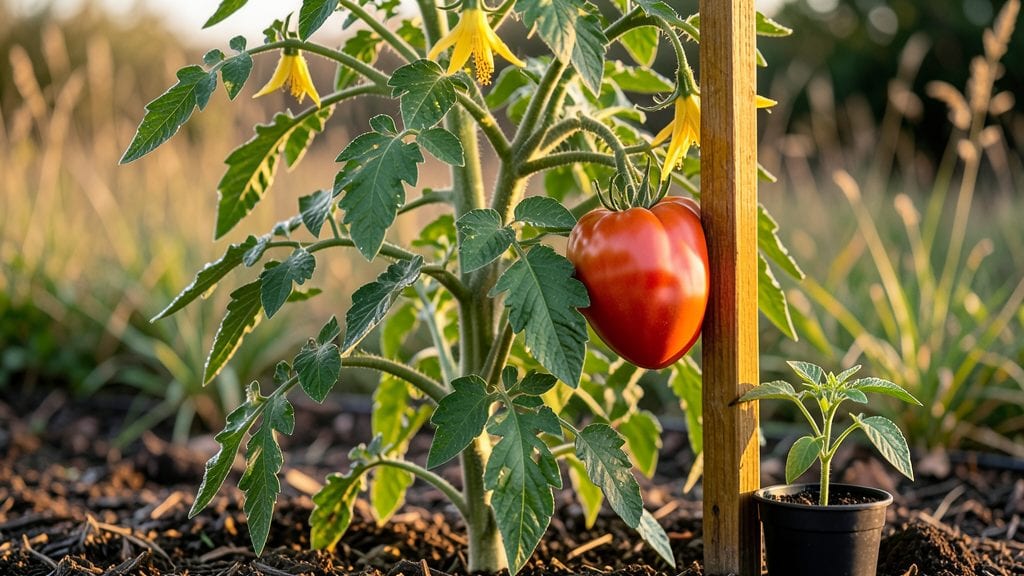
Growing Steakhouse tomato seeds gives you the chance to raise restaurant-quality tomatoes at home—ones that weigh over a pound each and burst with flavor. 🌱 I’ve grown dozens of tomato varieties, but Steakhouse tomatoes stand out because they’re built for serious beefsteak slices, not just garden bragging rights.
The key to juicy, crack-free fruit starts with the right seed-starting setup and container size.
These tomatoes need space to thrive, so plan for a 5-gallon container or larger—they’re not your average cherry tomato. You’ll also want a sunny spot with at least 6-8 hours of direct light daily, whether that’s a south-facing window, balcony, or greenhouse.
The soil mix should be rich in compost and well-draining, because nothing ruins a Steakhouse tomato faster than soggy roots or poor nutrition.
By midsummer, you’ll be harvesting tomatoes so big they’ll make your neighbors jealous. The flavor? Deep, meaty, and packed with juices that make every slice worth the effort. Prune regularly to encourage airflow and remove suckers, and watch as your plants focus energy on producing fewer but monster-sized fruits.
The payoff is worth every extra inch of container space.
Even in small spaces, these tomatoes deliver restaurant-quality results. With the right care, you’ll go from seed to steakhouse-worthy slices in just 80-90 days. Let’s get those seeds started—and your taste buds ready for the best tomatoes you’ve ever grown.
📚 In This Guide
- What you need
- Instructions
- Tips and common mistakes
- Wrapping up and next steps
What you need
- ● Steakhouse tomato seeds – Purchase from a reputable supplier (e.g., Baker Creek Heirloom Seeds or Seed Savers Exchange). Aim for 2-3 seeds per container if starting indoors.
- ○ Growing containers – Choose 5-gallon pots or fabric grow bags (minimum 12" deep) for each plant. Optional: Self-watering containers for convenience.
- ● High-quality potting mix – Use a well-draining, sterile mix (e.g., Miracle-Gro Potting Soil or a 50/50 blend of peat moss and perlite). Avoid garden soil—it compacts easily!
- ● Fertilizer – Start with a balanced, slow-release fertilizer (e.g., Osmocote Smart-Release Plant Food) or a liquid tomato feed (e.g., Fox Farm Big Bloom).
- ● Support system – Cage or trellis (6-8 ft tall) to support the plant’s heavy fruit. Pro tip: Use bamboo stakes for a rustic look!
- ● Planting tools – Small hand trowel, seed-starting trays (if sowing indoors), and spray bottle for gentle watering.
- ● Sunlight access – 6-8 hours of direct sunlight daily (south-facing window or grow lights for indoor starts).
- ● Watering can or hose with nozzle – Ensure even moisture without over-saturating.
- ● Pruning shears – For pinching suckers and shaping the plant as it grows.
- ○ Mulch (optional but recommended) – Straw or shredded leaves to retain moisture and suppress weeds.
- ○ pH testing kit (optional) – Ideal soil pH for tomatoes: 6.0–6.8. Adjust with lime (to raise pH) or sulfur (to lower pH) if needed.
Step-by-step instructions for growing juicy beefsteak tomatoes in containers
Here's how to coax those legendary, beefy tomatoes from seed into a container—no yard required.
🌱 Step 1: Start Seeds Indoors with Precision Timing
Plant your steakhouse tomato seeds 6-8 weeks before your last frost date—this gives them time to mature before heat sets in. Use the 2-3 inch deep seedling trays filled with sterile seed-starting mix (never garden soil). Press one seed ¼ inch deep in each cell, spacing them 1 inch apart—this prevents overcrowding later.
Cover the tray with a clear humidity dome and place it on a seedling heat mat set to 75-85°F. Keep the mix evenly moist (not soggy) by misting lightly daily. Germination takes 7-10 days—watch for the first true leaves (not the initial seed leaves) to appear before moving them.
☀️ Step 2: Provide Light and Space for Strong Stems
Once seedlings emerge, remove the humidity dome and place them under a full-spectrum LED grow light positioned 2-4 inches above the trays. Tomatoes need 14-16 hours of light daily—without it, they’ll stretch leggy and weak. Rotate the trays quarter-turn daily so they grow straight, not lopsided.
When seedlings develop 2-3 sets of true leaves (about 4-6 weeks after sowing), transplant them into the 5-gallon fabric grow bags filled with moistened potting mix. Handle roots gently—rough treatment stresses young plants. Bury stems up to the first leaves to encourage deeper root systems.
💧 Step 3: Water Deeply and Feed for Maximum Juiciness
Water deeply every 2-3 days until the top 2 inches of soil feel dry—this prevents shallow roots and blossom-end rot. Use room-temperature water to avoid shocking roots. After watering, let excess drain completely; fabric grow bags help prevent soggy soil.
Start fertilizing when flowers appear with the balanced liquid fertilizer (diluted to half-strength). Feed every 7-10 days—too much nitrogen makes leaves explode but stunts fruit. Watch for first flowers (usually 6-8 weeks after transplanting) and prune suckers (side shoots) to direct energy into fruit production.
✂️ Step 4: Support and Prune for Heirloom-Quality Tomatoes
Install tomato cages (or sturdy stakes) as soon as plants reach 12 inches tall. Beefsteak varieties need strong support—their weight can snap weak stems. Prune lower leaves up to 12 inches from the ground to improve airflow and reduce disease risk. Remove suckers (the shoots in the leaf axils) regularly to focus energy on fruit.
When tomatoes reach golf-ball size, thin clusters to 2-3 per stem—this ensures larger, juicier fruit. Harvest when deep red and slightly soft to touch (usually 70-85 days after transplanting). Cut stems with pruners to avoid damaging the plant.
🌿 Step 5: Extend the Season with Simple Tricks
If frost threatens before your plants finish, cover them nightly with frost cloth secured with clips. Remove it by 10 AM to let sunlight warm the plants. In hot climates, shade cloth (30-50%) protects fruit from sunscald. Mulch with straw to retain moisture and keep roots cool.
For next year, save seeds from your juiciest tomatoes. Slice one open, scoop out the gel-like center, and dry it on paper towels for 3-5 days. Store in a cool, dry place—these heirloom seeds will produce even more flavorful beefsteaks.
Tips & tricks for perfect steakhouse tomato cultivation
Growing beefsteak tomatoes from seed isn't just about following steps—it's about understanding the subtle details that transform good plants into juicy, restaurant-quality fruit.
Germination Conditions: The 75-85°F heat mat temperature is non-negotiable for consistent germination. If your home stays cooler, consider using a seedling heat mat with a built-in thermostat to maintain that precise range. I've seen germination rates drop dramatically when temps dip below 70°F—those little seeds need warmth to break dormancy. Keep the humidity dome on until you see true leaves appear, but don't let condensation drip onto seeds, which can cause rot.
Lighting Strategy: Those critical 14-16 hours of light make all the difference in preventing leggy seedlings. If you're using natural light only, position your trays on a south-facing windowsill where they get direct sun for at least 6 hours daily. For indoor grow lights, I recommend a full-spectrum LED that covers the entire tray—even shadows can cause uneven growth. Rotate trays daily to prevent plants from leaning toward the light source.
Transplanting Technique: When you bury stems up to the first leaves during transplanting, you're essentially creating a stronger root system. This technique, called "stem burial," encourages adventitious roots to form along the buried stem. Use your finger to make a small trench in the potting mix and gently fold soil around the stem—this prevents air pockets that can strangle new roots. The 5-gallon fabric grow bags are perfect because they allow roots to spread naturally while preventing soil compaction.
Fertilization Timing: The 7-10 day feeding schedule after flowers appear is crucial for developing those beefy tomatoes. Too much nitrogen too early will give you lush foliage but tiny fruit. I like to alternate between my balanced liquid fertilizer and a calcium supplement (like crushed eggshells) every other feeding to prevent blossom-end rot. Watch your plants—they'll tell you when they're hungry by showing pale leaves or slow growth between feedings.
Pro Tips for Steakhouse Tomato Seeds
- Growing beefsteak tomatoes from seed isn't just about following steps—it's about understanding the subtle details that transform good plants into juicy, restaurant-quality fruit.
- Germination Conditions: The 75-85°F heat mat temperature is non-negotiable for consistent germination.
- Lighting Strategy: Those critical 14-16 hours of light make all the difference in preventing leggy seedlings.
Frequently asked questions
Got questions about growing steakhouse tomato seeds?
You’re not alone! Here are some of the most common queries—and their answers—to help you cultivate those juicy, restaurant-worthy tomatoes with confidence.
How long does it take for steakhouse tomato seeds to germinate?
Steakhouse tomato seeds typically sprout within 7–14 days under ideal conditions (warmth, moisture, and indirect light). Keep soil consistently moist but not soggy, and maintain a cozy 70–85°F (21–29°C) environment. Patience is key—some seeds may take a little longer!
Can I grow steakhouse tomatoes in containers, or do they need a garden?
Steakhouse tomatoes thrive in large containers (5+ gallons) with proper support (cages or stakes). Just ensure the pot has drainage holes and use a high-quality potting mix enriched with compost. Container gardening works beautifully—just give them space to sprawl!
When is the best time to plant steakhouse tomato seeds indoors vs. outdoors?
Start seeds indoors 6–8 weeks before the last frost (early spring) for a head start. Transplant seedlings outdoors after soil warms to 60°F (15°C) and nighttime temps stay above 50°F (10°C). Avoid planting too early—cold soil can stunt growth or invite disease.
Why are my steakhouse tomato seedlings leggy or weak?
Leggy seedlings usually mean lack of light or overcrowding. Move them to a sunny windowsill or under grow lights (12–16 hours/day). Thin seedlings to 2–3 inches apart and bury stems deeper when transplanting to encourage root growth. A little fertilizer (half-strength) can also help!
What’s the best companion plant for steakhouse tomatoes?
Pair steakhouse tomatoes with basil, marigolds, or onions to deter pests and boost flavor. Avoid planting near corn or fennel, as they compete for nutrients. Interplanting with herbs also makes harvesting easier—and your kitchen will smell amazing!
Wrapping up and next steps
Growing steakhouse tomato seeds in containers is a rewarding journey that brings restaurant-quality flavor right to your balcony or patio! 🌱 With the right containers, soil, and care, you’ll soon be savoring juicy, beefsteak tomatoes that rival any steakhouse dish.
Whether you’re a beginner or a seasoned gardener, these tips make it easy—and delicious.
Ready to take the next step? Start by planting your seeds indoors (or grab seedlings from a local nursery) and watch your container garden thrive. Before you know it, you’ll be harvesting tomatoes that make every bite taste like a gourmet meal. Happy growing! 🍅✨