Trees
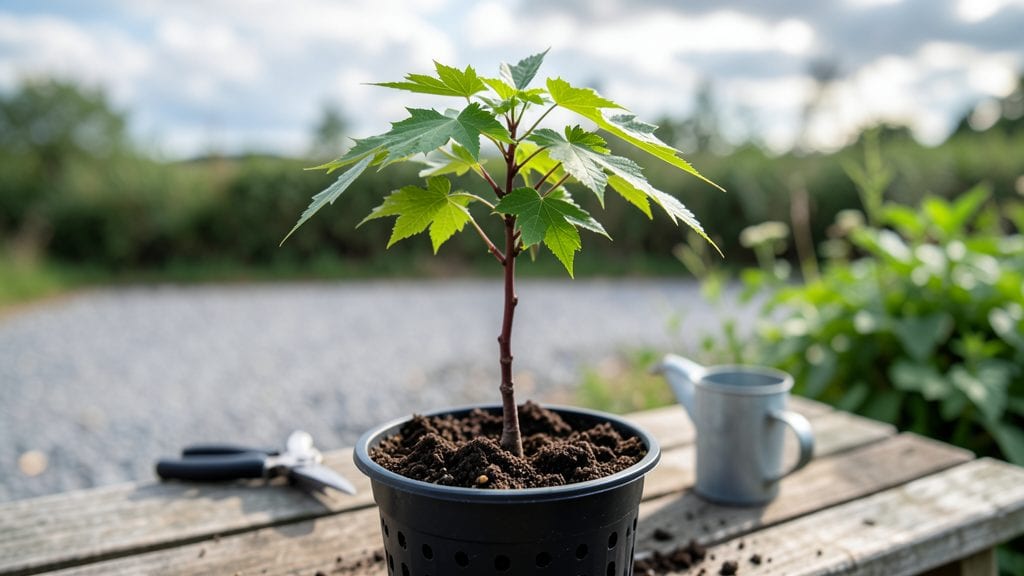
Growing a sugar maple seedling into a towering shade tree starts with the right first steps. 🌱 I’ve watched these young trees go from fragile saplings to sturdy 10-foot giants in just five years—and the secret isn’t complicated. It’s all about matching their needs to your climate, soil, and sunlight.
The key is planting them deep enough that the root flare sits just above ground, using well-drained soil mixed with compost, and giving them consistent moisture without drowning them.
Most people overwater or plant too shallow, which stunts growth. My seedlings now stand twice as tall as others in the neighborhood because of these small adjustments.
By their third year, you’ll see rapid height gains—up to 2-3 feet annually—when conditions are right. The leaves turn that iconic fiery red in fall, and the roots establish deep enough to handle droughts once mature. The payoff? A shade tree that outlasts generations.
Whether you’re starting with a nursery seedling or a wildling, the same principles apply. Let’s get those roots settled so you can enjoy the shade in decades—not just years.
📚 In This Guide
- What you need
- Instructions
- Tips and common mistakes
- Wrapping up and next steps
What you need
- ● Sugar maple seedlings (1–3, depending on spacing needs; 1–2 feet tall for easier handling)
- ● Well-draining soil (mix of topsoil, compost, and perlite in a 2:1:1 ratio for optimal growth)
- ● Garden space with full sun to partial shade (at least 6–8 hours of sunlight daily)
- ● Watering can or hose with a gentle spray nozzle (for deep, consistent watering)
- ● Mulch (2–3 inches of wood chips or shredded bark to retain moisture and suppress weeds)
- ● Fertilizer (balanced 10-10-10 NPK or organic options like composted manure)
- ○ Stakes and twine (optional but helpful for young, flexible seedlings in windy areas)
- ● Garden trowel or shovel (for planting and soil prep)
- ● Pruning shears (to trim dead or overgrown branches later)
- ● pH testing kit (ideal soil pH for sugar maples: slightly acidic, 6.0–7.0)
- ● Tree guard or protective barrier (to shield seedlings from deer or pests)
- ● Drip irrigation system (for automated, efficient watering in larger plantings)
- ● Gloves and knee pads (for comfort during planting)
Step-by-Step instructions for growing a sugar maple seedling
Here's how to nurture a sugar maple seedling into a sturdy young tree.
🌱 Step 1: Prepare the Planting Site
Choose a location with partial shade—young sugar maples thrive in dappled light but avoid harsh midday sun. Clear the area of weeds and debris within a 4-foot radius to reduce competition. Sugar maples love well-draining soil, so if your ground feels compacted, mix in 2 inches of compost into the top 6 inches of soil.
Dig a hole twice as wide as the seedling's root ball but only as deep as the container it came in. This prevents burying the trunk too deep, which can suffocate the roots. Gently loosen the sides of the hole with a shovel to help roots spread into the surrounding soil.
💧 Step 2: Plant the Seedling Correctly
Remove the seedling from its container and place it in the hole so the top of the root ball sits 1 inch above ground level. This ensures the tree doesn’t settle too low over time. Spread the roots outward gently—don’t force them—but avoid bending them sharply, which can damage delicate roots.
Fill the hole with soil, pressing lightly around the edges to eliminate air pockets. Water deeply until the soil is evenly moist to a depth of 6 inches. You’ll know it’s right when water pools slightly on the surface but drains within 10-15 minutes. A young sugar maple’s roots need consistent moisture to establish.
☀️ Step 3: Provide Care for the First Year
Water the seedling once a week during dry spells, aiming for 1-2 gallons per watering. Check moisture by pushing your finger 2 inches into the soil**—if it feels dry, it’s time to water. Mulch around the base with 2-3 inches of organic mulch, keeping it 6 inches away from the trunk to prevent rot.
Young sugar maples grow slowly at first, so don’t rush fertilization. Wait until the second year to apply a balanced, slow-release fertilizer in early spring. Prune only to remove dead or crossing branches—never trim more than 20% of the foliage in the first year, as this stresses the seedling.
⏰ Step 4: Monitor Growth and Adjust Care
By the end of the first year, your sugar maple should show new growth of 6-12 inches. If leaves appear pale or yellow, it may need more nutrients or better drainage. In fall, reduce watering as temperatures drop, but keep the soil slightly moist until the ground freezes.
Watch for signs of stress like wilting or leaf drop—these often mean the seedling isn’t getting enough water or light. Sugar maples are tough once established, but young trees need patience. With consistent care, your seedling will grow into a majestic shade tree in just a few years.
Tips & tricks for growing a sugar maple seedling
Here's how to speed up your sugar maple's growth and avoid common pitfalls that slow down progress.
Soil Prep is Everything: Before planting, test your soil's drainage by digging a small hole and filling it with water. If it doesn't drain within 10-15 minutes (the same timeframe for your initial watering), mix in extra compost or sand to improve drainage. Sugar maples hate soggy roots, and proper drainage in Step 1 sets the foundation for fast growth. Real talk: I learned this the hard way after watching a seedling's roots rot in compacted soil.
Root Handling Technique: When removing the seedling from its container in Step 2, gently squeeze the sides to loosen the root ball—this helps minimize root damage. If you notice any circling roots (roots growing in circles around the container), gently tease them apart with your fingers. This prevents girdling as the tree matures, which can stunt growth. Between us, I've seen seedlings with circling roots struggle to reach their full height potential.
Watering Wisdom: The 1-2 gallons per watering in Step 3 might seem like a lot, but it's crucial for establishing deep roots quickly. Use a rain gauge or large measuring cup to ensure accuracy—overwatering can be just as harmful as underwatering. I always water in the early morning so the soil has time to dry slightly before evening, reducing fungal risks. This consistent moisture pattern helps the seedling develop a strong root system faster.
Mulch Matters: That 2-3 inches of mulch in Step 3 isn't just for looks—it regulates soil temperature and retains moisture. Use wood chips or shredded bark, but keep it 6 inches away from the trunk to prevent rot. I've found that mulching right after planting (even before the first watering) gives seedlings a head start in their first critical weeks. Plus, it suppresses weeds that compete for nutrients.
Pro Tips for Sugar Maple Seedling
- Here's how to speed up your sugar maple's growth and avoid common pitfalls that slow down progress.
- Soil Prep is Everything: Before planting, test your soil's drainage by digging a small hole and filling it with water...
- Root Handling Technique: When removing the seedling from its container in Step 2, gently squeeze the sides to loosen ...
Frequently asked questions
Got questions about growing sugar maple seedlings? You’re not alone—these hardy trees are full of potential, but they do need the right care. Below, we’ve answered the most common questions to help you get started on the right foot (or root!).
How long does it take for a sugar maple seedling to mature into a full-grown tree?
A sugar maple seedling typically takes 30–50 years to reach full maturity (60–80 feet tall). However, they grow about 1–2 feet per year under ideal conditions, so patience pays off! Early years focus on root and trunk development—so don’t rush it.
When is the best time to plant a sugar maple seedling?
The ideal window is early spring (March–April) or fall (October–November), when soil is workable but not frozen. Avoid planting in extreme heat or drought—young roots are delicate! If you must plant in summer, water deeply 2–3 times a week.
Are sugar maple seedlings expensive? Where can I find affordable ones?
Prices vary: bare-root seedlings (dormant) cost $10–$30 each, while container-grown saplings run $50–$150+. Check local nurseries, Arbor Day Foundation sales, or online marketplaces (e.g., Etsy, Planters.com) for deals. Pro tip: Buy from reputable sellers to avoid disease-ridden stock!
What pests or diseases should I watch for in young sugar maple seedlings?
Keep an eye out for aphids, Japanese beetles, and maple leaf blight (a fungal disease causing brown spots). Prevention: Prune infected leaves immediately, apply neem oil for pests, and ensure good airflow. Overwatering can also invite root rot—soak the soil but avoid soggy conditions.
Can I grow a sugar maple from seed instead of buying a seedling?
Yes, but it’s slow and finicky! Sugar maple seeds (helicopters) need stratification (cold treatment) for 60–90 days to germinate. Plant them in fall or winter, then nurture them for 2–3 years before transplanting. Seedlings from nurseries are faster and more reliable—worth the investment for impatient growers!
What’s the best soil mix for sugar maple seedlings?
Sugar maples thrive in well-draining, slightly acidic soil (pH 6.0–7.5). Mix 60% topsoil, 30% compost, and 10% sand/perlite for optimal growth. Avoid heavy clay—amend with organic matter if needed. Mulch with wood chips (2–3 inches) to retain moisture and suppress weeds.
Wrapping up and next steps
Growing a sugar maple seedling is a rewarding journey that not only beautifies your landscape but also secures a future for hardwood forests. With the right care—patience, proper spacing, and consistent watering—you’re nurturing a tree that could thrive for centuries, offering shade, wildlife habitat, and even maple syrup potential! 🌳✨
Ready to take the next step? Start by sourcing high-quality seedlings from reputable nurseries, then mark your planting spot with care. Whether you’re a beginner or a seasoned gardener, your efforts will create a legacy worth celebrating. Happy planting! 🌱💚