
Planting
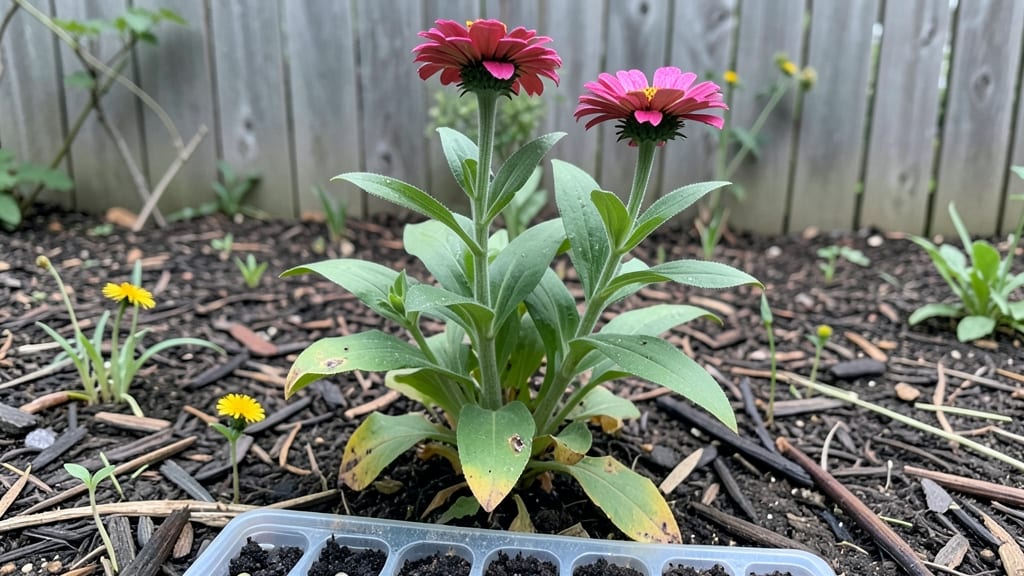
Sowing zinnia seeds is how I turn my garden into a riot of color by midsummer—no fancy transplants required. 🌻 The secret lies in timing, soil warmth, and patience as those first green shoots push through the dirt.
I’ve learned that zinnia seeds need just the right conditions to germinate reliably, and once they do, they reward you with blooms that last from June until frost.
You’ll need well-draining soil, a sunny spot, and a flat tray or direct sowing space. Plant seeds about ¼ inch deep, spaced 12 inches apart if you’re sowing directly outside, or closer together (6 inches) if you’re starting indoors.
Zinnias thrive in full sun—at least 6 hours daily—and prefer soil that’s warm, which is why waiting until after your last frost date (usually late spring) makes all the difference.
The payoff comes fast: seedlings emerge in 7-14 days, and by early summer, you’ll have towering stems topped with blooms in every shade imaginable. The key is keeping soil moist but not soggy—water gently at the base to avoid disturbing the seeds.
Once they’re up, thin weaker plants to give the strongest ones room to shine.
Here’s where most beginners stumble: overwatering or planting too early. If germination feels slow, check your soil temperature—zinnias need 60°F or warmer to sprout. And don’t rush—patience here means a garden bursting with color by July. Ready to get started?
📚 In This Guide
- What you need
- Instructions
- Tips and common mistakes
- Wrapping up and next steps
What you need
- ● Zinnia seeds: Choose heirloom or hybrid varieties (e.g., 'Benary’s Giant,' 'Crystal,' or 'Profusion'). Buy 1–2 packets (50–100 seeds) for a small garden or 3+ packets for larger displays.
- ● Seed-starting mix: 1–2 cubic feet of sterile, well-draining potting soil (avoid garden soil—it’s too dense!).
- ● Containers: Seed trays or cell packs: 2–4 inch cells (for indoor starts).
- ● OR biodegradable pots: 3–4 inch diameter (for transplanting).
- ● Grow lights or sunny windowsill: A south-facing window or LED grow lights (12–16 hrs/day) for indoor starts.
- ● Watering can or spray bottle: With a fine mist nozzle to avoid disturbing seeds.
- ● Plant labels: Waterproof markers to track varieties (especially if growing multiple types!).
- ● Heat mat: Keeps soil 70–75°F for faster germination (zinnia seeds love warmth!).
- ● Fertilizer: Balanced liquid fertilizer (5-5-5) or compost to boost early growth.
- ● Trowel or transplant tool: For gently moving seedlings to outdoor beds.
- ● Row covers or cloches: Protects young plants from pests or chilly nights after transplanting.
- ● Mulch: Straw or shredded leaves to retain moisture and suppress weeds.
Step-by-Step instructions for sowing zinnia seeds
Here's how to coax vibrant zinnias from tiny seeds into bold garden stars.
🌱 Step 1: Prepare the Soil and Planting Site
Zinnias thrive in well-draining soil with full sun exposure, so choose a spot that receives at least 6-8 hours of direct sunlight daily. Work the soil to a depth of 12 inches, removing any weeds or debris. Zinnias prefer soil with a slightly acidic to neutral pH between 6.0 and 7.0—if your soil is heavy clay, amend it with 2-3 inches of compost to improve drainage and fertility. The goal is loose, crumbly soil that holds moisture without becoming waterlogged.
Once the soil is ready, create shallow furrows about ¼ inch deep and spaced 12-18 inches apart for rows. If you're planting in containers, use a well-draining potting mix and ensure the pots have drainage holes. Water the soil lightly before sowing to help settle the seeds and create a moist environment for germination.
🌱 Step 2: Sow the Seeds Correctly
Zinnia seeds are small but easy to handle. Scatter them thinly along the furrows, spacing them about 6-12 inches apart—this prevents overcrowding as they grow. If you're sowing in containers, place 2-3 seeds per pot (you can thin later). Press the seeds lightly into the soil with your finger or the back of a spoon, ensuring they make good contact with the earth but aren’t buried too deeply.
Cover the seeds with a thin layer of soil, no more than ⅛ inch deep. Water gently with a fine spray or drizzle from a watering can to avoid dislodging the seeds. Keep the soil consistently moist but not soggy—zinnias despise waterlogged conditions, which can lead to rot or fungal diseases. A light misting every 1-2 days usually suffices until germination.
☀️ Step 3: Provide Optimal Light and Care for Germination
Zinnia seeds typically germinate within 7-14 days when kept in warm soil (65-75°F). Place a clear plastic dome or row cover over the seeds to retain moisture and warmth, but remove it as soon as sprouts appear to prevent damping-off. Once the seedlings emerge, move them to a location with full sun—zinnias need bright light to grow strong and compact.
Watch for the first true leaves (the second set of leaves after the initial cotyledons) to appear. This is your cue to thin the seedlings if they’re crowded. Use scissors to snip unwanted plants at soil level rather than pulling, which can disturb roots. Space remaining seedlings 12-18 inches apart for bush varieties or 18-24 inches apart for taller types like 'Benary’s Giant'.
💧 Step 4: Water and Fertilize for Strong Growth
Zinnias are drought-tolerant once established, but consistent moisture is key during their early growth. Water at the base of the plants in the morning to allow foliage to dry quickly, reducing the risk of fungal diseases like powdery mildew. Aim for 1 inch of water per week, adjusting for rainfall. Avoid overhead watering, which can splash soil onto leaves and encourage mildew.
After the seedlings reach 4-6 inches tall, apply a balanced, water-soluble fertilizer (like 10-10-10) at half strength to promote lush growth. Feed every 2-3 weeks during the growing season, but reduce fertilization as flowering begins—zinnias bloom best when slightly under-fertilized. Pinch back the tips of young plants to encourage bushier growth and more abundant blooms.
✂️ Step 5: Deadhead and Maintain for Continuous Blooms
To keep zinnias flowering prolifically, deadhead spent blooms by snipping them off just above the next set of leaves. This encourages the plant to produce more flowers instead of setting seed. Regular deadheading also improves air circulation, reducing the risk of fungal issues. Watch for buds forming along the stems—these will open into vibrant blooms within 2-3 weeks if given enough sunlight and water.
As the season progresses, zinnias may become leggy or overcrowded. If this happens, prune back the stems by one-third to rejuvenate growth. Mulch around the base with 2-3 inches of organic mulch to retain moisture, suppress weeds, and regulate soil temperature. With proper care, zinnias will reward you with bold, long-lasting blooms from early summer until the first frost.
Tips & tricks for perfect zinnia germination
A few strategic moves will help you transform those tiny zinnia seeds into a vibrant garden display that lasts all summer.
The Soil Temperature Secret: Zinnias need soil warmth between 65-75°F to germinate reliably. If your spring soil is still chilly, consider using a seedling heat mat ($20 at garden centers) or sowing in containers that warm up faster in direct sunlight. I've seen germination rates double when using this simple trick—especially in cooler climates. The 75°F upper limit is critical because seeds can rot if kept too warm and moist.
Precision Planting Technique: When creating those ¼-inch deep furrows in Step 1, use a ruler or the flat edge of a trowel to maintain consistent depth. Uneven planting leads to uneven germination—some seeds will pop up while others languish. For containers, press seeds gently against the soil surface rather than burying them, as zinnia seeds need light to trigger germination. Think of it like planting popcorn kernels—just enough pressure to make contact, no more.
Germination Timing Reality Check: Those 7-14 days for germination can feel like forever, but patience pays off. Mark your planting date on the calendar and check daily for sprouts. If you don't see any after 14 days, gently water again to re-wet the soil—sometimes seeds need that extra moisture push. I've had batches emerge all at once after what seemed like weeks of silence. The key is maintaining that consistent moisture without overwatering.
Container Planting Pro Tip: For container growing, use pots that are at least 6 inches deep—zinnias develop strong root systems. Place a coffee filter or piece of landscape fabric over drainage holes to prevent soil from washing out while still allowing excess water to escape. This simple layer keeps your potting mix in place while maintaining proper drainage, which is especially important for zinnias that hate soggy roots.
Pro Tips for Sowing Zinnia Seeds
- A few strategic moves will help you transform those tiny zinnia seeds into a vibrant garden display that lasts all summer.
- The Soil Temperature Secret: Zinnias need soil warmth between 65-75°F to germinate reliably.
- Precision Planting Technique: When creating those ¼-inch deep furrows in Step 1, use a ruler or the flat edge of a trowel to maintain consistent depth.
Frequently asked questions
Got questions about sowing zinnia seeds? You’re not alone! Here are some of the most common queries—plus quick, practical answers to help you grow stunning zinnias with confidence.
When is the best time to plant zinnia seeds?
Zinnias thrive in warm soil, so wait until after the last frost when nighttime temperatures stay above 50°F (10°C). For early blooms, start seeds indoors 6–8 weeks before transplanting or sow directly outdoors once the ground is warm. In cooler climates, consider a cloche or row cover to extend the season.
How long does it take for zinnia seeds to germinate?
Zinnia seeds typically sprout in 7–14 days under ideal conditions: warm soil (70–80°F or 21–27°C), consistent moisture, and bright light. If germination takes longer, check for dampness (not soggy soil) or low light, which can delay sprouting. Patience pays off—once they pop, growth is fast!
Can I sow zinnia seeds too close together?
Yes! Overcrowded seedlings compete for nutrients and light, leading to weak, leggy plants. Thin seedlings to 12–18 inches apart (check seed packet for variety-specific spacing). If you’re direct-sowing, space seeds ¼ inch apart in rows 12–18 inches apart. Pro tip: Use scissors to snip unwanted seedlings at soil level—it’s gentler than pulling.
Why aren’t my zinnia seeds sprouting?
Common culprits include old seeds (viability drops after 2–3 years), cold soil, or improper planting depth. Zinnias need light to germinate—don’t bury them deeper than ¼ inch. Try soaking seeds overnight in warm water or scratching the seed coat lightly with sandpaper to encourage germination. If all else fails, test a few seeds on damp paper towels in a warm spot.
Are there zinnia varieties that grow faster or are easier for beginners?
Benary’s Giant
and Profusion Series are beginner-friendly, with bolder blooms and faster growth (60–70 days to flower). Dwarf zinnias like ‘Crystal’ or ‘Thumbelina’ are compact and perfect for containers. For heat tolerance, try ‘Zahara’ or ‘Magellan’—they handle humidity better than classic varieties.
Wrapping up and next steps
Sowing zinnia seeds is a rewarding journey that brings vibrant color and joy to your garden! 🌸 With the right timing, soil prep, and care, you’ll soon be admiring their cheerful blooms—whether in sunny borders, containers, or cutting gardens. Don’t wait—grab those seeds and get planting!
Ready to take the next step? Try experimenting with different varieties or even share your progress with fellow gardeners online. Happy growing—your future zinnia showstopper awaits! 🌻