
Tools
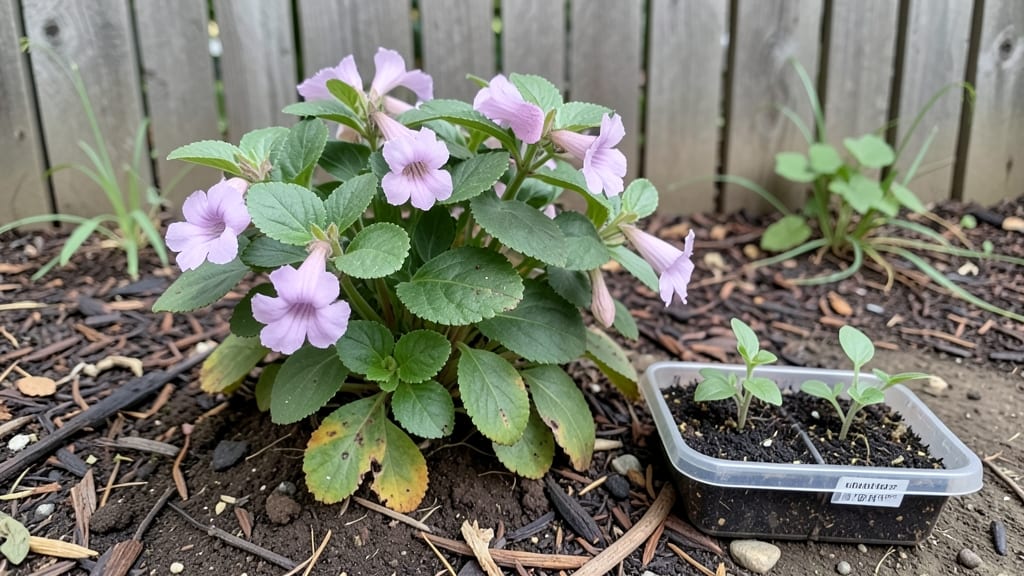
Growing garden balsam from seeds unlocks four seasonal blooms a year—something I thought was impossible until I tried this method. 🌱 The secret lies in starting seeds indoors during winter, then coaxing them to rebloom after each trim.
My first batch surprised me with bright pink flowers by early spring, and now I can't imagine a garden without their cheerful faces.
The process starts with a warm windowsill or grow light in late winter, where tiny seeds sprout in just 10-14 days when kept moist and warm. You'll need well-draining potting mix, small pots, and patience—these seedlings grow fast once they get sunlight.
The real magic happens when you deadhead spent blooms; within weeks, new flowers burst out, extending the season.
By summer, your plants will be thriving with vibrant clusters that attract hummingbirds. I've learned to pinch back leggy growth early and fertilize lightly every few weeks to keep them compact. Even my black thumb can't kill these—once established, they're drought-tolerant and bounce back from neglect.
This method works for USDA zones 3-10, though southern gardeners may need shade in peak summer heat. The same principles apply whether you grow them in containers or garden beds. Let's get those seeds started—the payoff is worth every minute of waiting.
📚 In This Guide
- What you need
- Instructions
- Tips and common mistakes
- Wrapping up and next steps
What you need
- ● Garden balsam seeds: 1–2 packets (50–100 seeds per packet) for a full-season display.
- ● Seed-starting trays or pots: 2–4 (3–4 inch pots or 1020-cell trays for germination).
- ● High-quality seed-starting mix: 1 bag (sterilized, peat-based or coco coir blend).
- ● Clear plastic domes or plastic wrap: To retain moisture during germination.
- ● Grow lights or sunny windowsill: For indoor seedling growth (12–16 hours of light/day).
- ● Balanced liquid fertilizer (5-10-5 or 10-10-10): 1 bottle (for seedlings and mature plants).
- ● Spray bottle with water: For gentle hydration during germination.
- ● Small hand trowel: For transplanting seedlings.
- ● Pruning shears: Sharp, clean pair (for trimming blooms and shaping plants).
- ○ Garden gloves: Optional but recommended for handling soil and plants.
- ○ pH testing kit (optional): To ensure soil pH is 6.0–6.5 (ideal for balsam).
- ○ Mulch (optional): 1–2 bags (straw or shredded bark to retain moisture).
- ● Warmth: Balsam seeds germinate best at 70–75°F (21–24°C).
- ● Humidity: High humidity (use a humidity dome or mist seedlings daily).
- ● Sunlight: Partial shade to full sun (after hardening off seedlings).
- ● Patience: Germination takes 10–21 days—keep soil moist!
Step-by-Step instructions for growing garden balsam from seed
Here's how to coax vibrant, long-blooming garden balsam from tiny seeds—with techniques that ensure four seasonal cuttings.
🌱 Step 1: Prepare Containers and Sow Seeds Indoors
Fill 4-inch diameter pots with sterile seed-starting mix (never garden soil—it's too dense and may harbor damping-off pathogens). Moisten the mix until it holds together when gently squeezed but doesn't drip. Press it down lightly to remove air pockets, then create a shallow furrow ¼ inch deep using your finger.
Sow 2-3 seeds per pot—garden balsam germinates slowly, and thinning later prevents root disturbance. Space seeds ½ inch apart in the furrow. Cover lightly with additional mix, then mist the surface with a spray bottle until evenly damp. Place pots in a seedling heat mat (or on top of your fridge) to maintain 70-75°F soil temperature—this speeds germination from 14-21 days to just 7-10 days.
💧 Step 2: Provide Humidity and Gentle Light
Cover the pots with a clear plastic dome or plastic wrap to retain moisture and warmth. Check daily for condensation—if the dome fogs up, remove it for 30 minutes to prevent fungal growth. Garden balsam seedlings despise soggy conditions, so water only when the top ½ inch of soil feels dry to the touch. Use a spray bottle to avoid disturbing the seeds.
Once 50% of seeds have sprouted (you'll see tiny green hooks breaking the soil surface), remove the dome immediately. Move seedlings to a south-facing windowsill or under grow lights providing 12-14 hours of light daily. Without enough light, seedlings stretch leggily and never develop strong stems. You'll know they're getting enough light when the first true leaves (not the initial seed leaves) appear compact and dark green.
☀️ Step 3: Harden Off and Transplant Outdoors
Two weeks before your last frost date, start hardening off seedlings by placing them outside in a sheltered, shaded spot for 1-2 hours the first day. Gradually increase outdoor time by 1 hour daily, moving to partial sun by day 5. Garden balsam thrives in full sun, but sudden exposure causes leaf scorch. Watch for wilting or yellowing—this signals they're not ready for full sun yet.
Transplant after 4-6 weeks when seedlings have 4-6 true leaves and strong stems. Dig holes twice as wide as the root ball but no deeper. Space plants 12-18 inches apart—crowding leads to weak stems and fewer blooms. Water deeply at the base after transplanting to encourage root growth into the surrounding soil.
✂️ Step 4: Encourage Four Seasonal Blooms
Deadhead spent blooms by pinching off the first flower cluster as soon as it wilts. This redirects energy to new growth instead of seed production. I also prune back leggy stems by ⅓ in early summer to encourage bushier, more compact plants. Garden balsam responds beautifully to this—you'll see new side shoots emerge within 7-10 days of pruning.
For year-round blooms, bring potted plants indoors before the first frost. Place them in a bright, cool room (ideally 55-65°F) and reduce watering slightly. Resume deadheading and pruning in late winter to stimulate spring blooms. You'll notice buds forming within 3-4 weeks of pruning—this is your signal to increase watering gradually as new growth appears.
Tips & tricks for perfect garden balsam growth
Here's what I've learned after growing garden balsam for years—these tricks ensure your seedlings thrive and deliver those four seasonal blooms you're dreaming of.
Soil Temperature Secret: That 70-75°F soil temperature in Step 1 isn't just a suggestion—it's the difference between 14-21 days and just 7-10 days for germination. I use a seedling heat mat set to 75°F and place it on top of my fridge for consistent warmth. If you don't have a heat mat, try placing pots on a sunny windowsill with a small space heater nearby (keep it 6 inches away to avoid drying). The key is maintaining that warm soil—cold soil slows germination dramatically.
Lighting Technique: In Step 2, when you're moving seedlings to 12-14 hours of light, don't underestimate the quality of that light. South-facing windows work, but cloudy days can stretch seedlings. I supplement with a simple LED grow light on a timer—just 6 inches above the pots. You'll notice the difference immediately: compact, dark green leaves instead of leggy, pale stems. The first true leaves should be your benchmark—if they're yellowing or stretching toward the light, you need more intensity.
Harden-Off Strategy: The gradual 1-hour daily increases in Step 3 are critical, but here's the pro move: harden off in the morning when temperatures are cooler. Start with just 1 hour in the shade, then increase by 1 hour each day. I've found that seedlings exposed to afternoon heat during hardening off can develop sunburn even before full sun exposure. Watch for wilting—this is your plant's way of saying "slow down."
Pruning Timing: When you prune back leggy stems by ⅓ in Step 4, do it right after a watering session. The fresh cut will absorb water more effectively, and you'll see those new side shoots emerge within 7-10 days. I also recommend using clean, sharp scissors—dull tools crush stems and invite disease. For indoor plants, prune in late winter when you notice buds forming after 3-4 weeks. This triggers a second flush of blooms that'll keep your garden vibrant through spring.
Pro Tips for Garden Balsam Seeds
- Here's what I've learned after growing garden balsam for years—these tricks ensure your seedlings thrive and deliver those four seasonal blooms you're dreaming of.
- Soil Temperature Secret: That 70-75°F soil temperature in Step 1 isn't just a suggestion—it's the difference between 14-21 days and just 7-10 days for germination.
- Lighting Technique: In Step 2, when you're moving seedlings to 12-14 hours of light, don't underestimate the quality of that light.
Frequently asked questions
Got questions about growing garden balsam (Impatiens walleriana) from seeds? You’re not alone! Here are answers to the most common queries to help you cultivate vibrant blooms all year round.
How long does it take for garden balsam seeds to germinate?
Garden balsam seeds typically germinate within 10–21 days when kept in warm, moist conditions (around 70–75°F). For faster results, use a seedling heat mat or place trays in a sunny windowsill. Patience is key—some seeds may take longer, especially in cooler environments.
Can I grow garden balsam from seeds indoors or should I start outdoors?
Starting seeds indoors 6–8 weeks before your last frost gives them a head start. Use seed-starting mix and keep soil consistently moist. Once seedlings sprout 2–3 inches tall, transplant them outdoors after the frost date. Hardening off (acclimating to outdoor conditions) for 7–10 days helps prevent shock.
Why aren’t my garden balsam seeds sprouting? Troubleshooting tips.
If seeds aren’t germinating, check these common issues:
- Temperature: Too cold? Keep trays warm (use a heat mat or warm spot).
- Moisture: Overwatering can drown seeds; bottom-watering helps.
- Light: Seeds need indirect light until sprouts emerge.
- Freshness: Old seeds (over 1 year) may lose viability. Test a few in damp paper towels.
Still no luck? Try scarifying seeds (lightly nicking the outer shell) to encourage germination.
Are garden balsam seeds annual or perennial?
Garden balsam is annual in most climates, meaning it completes its life cycle in one season. However, in USDA Zones 10–11, it may self-seed or return as a short-lived perennial. For year-round blooms, save seeds from healthy plants or replant fresh seeds every spring.
What’s the best alternative if garden balsam seeds fail to grow?
If germination is unreliable, consider these low-maintenance alternatives for shade-loving color:
- Impatiens hybrids: Try Impatiens hawkeri (New Guinea Impatiens), which is more cold-tolerant.
- Begonias: Begonia semperflorens thrives in similar conditions and blooms prolifically.
- Coleus: Adds vibrant foliage with minimal care.
- Pre-planted seedlings: Nurseries often sell young balsam plants ready to bloom.
Each offers stunning visuals with less fuss!
Wrapping up and next steps
Growing garden balsam from seeds is a rewarding journey that brings vibrant, long-lasting blooms to your space—no matter the season! With the right soil, light, and care, you’ll enjoy four seasonal trims and a garden that thrives year-round.
Whether you’re a beginner or a seasoned gardener, these cheerful flowers are a joy to cultivate and share.
Ready to dive in? Start small—plant a few seeds today! Grab your supplies, follow the steps, and watch your garden transform into a blooming paradise. Happy gardening! 🌸