
Size
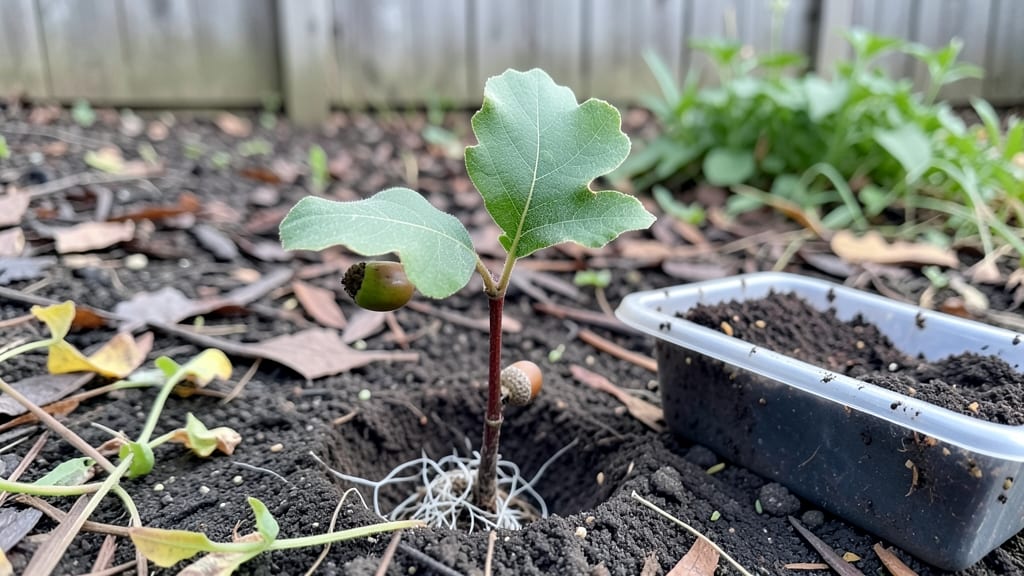
Growing acorn seeds into oak trees feels like planting a future—one that takes patience but rewards you with shade, wildlife, and history. 🌿 I’ve started dozens of acorns, and the ones that make it through the first year become the sturdy saplings that’ll one day tower over your yard.
The key isn’t luck; it’s knowing which acorns to pick, how to break their dormancy, and when to give them just enough water to thrive without rotting.
You’ll need white oak or red oak acorns (they germinate best), a damp paper towel, a small pot, and a sunny spot. The stratification process—mimicking winter—takes about 60 days, but it’s worth it. Skip this step, and your acorn might never sprout.
Once germinated, keep the soil moist but not soggy; oak seedlings hate wet feet. Light is everything—too little, and they stretch; too much, and they scorch. A bright windowsill or grow light keeps them happy until they’re ready for the ground.
By month six, you’ll have a 3- to 6-inch sapling with real oak leaves—tiny, lobed, and tough. It won’t look like much, but that’s the start of a tree that could live for centuries.
The real magic happens years later, when it provides shade, habitat for birds, and a sense of permanence that no annual plant can match. Just don’t expect overnight results; oaks grow slow, but they grow strong.
Works in zones 4 through 9, though red oaks prefer cooler climates. For faster growth, plant in well-draining soil with a mulch ring to keep moisture in. Patience is the only tool you’ll need—no fancy equipment, just time. Ready to start your own legacy tree?
📚 In This Guide
- What you need
- Instructions
- Tips and common mistakes
- Wrapping up and next steps
What you need
- ● Fresh acorns: 5–10 healthy, plump acorns (preferably from Quercus robur or Quercus alba for best results). Avoid acorns with holes or mold.
- ● Water: Room-temperature water for soaking and regular misting (a spray bottle helps).
- ● Potting soil: 2–3 cups of well-draining, peat-free potting mix (or a 50/50 blend of potting soil and perlite/sand for aeration).
- ● Small pots or containers: 2–4 biodegradable pots (3–4 inches in diameter) or plastic nursery pots with drainage holes. Pro tip: 💡 Paper egg cartons work great for seedling starters!
- ● Drainage tray or saucer: To catch excess water and prevent root rot.
- ○ Plastic wrap or humidity dome: To maintain moisture during germination (optional but helpful).
- ○ Fertilizer (optional): A balanced, water-soluble fertilizer (5-5-5 or 10-10-10) diluted to half-strength for young seedlings.
- ● Grow lights or sunny windowsill: A south-facing window or a full-spectrum LED grow light (12–16 hours of light daily).
- ● Pruning shears or scissors: For trimming sprouts as they grow (sterilized with rubbing alcohol).
- ● Label markers: To track planting dates and acorn varieties.
- ● Patience: Acorns can take 4–8 weeks to germinate, and oak trees grow slowly—plan for 6+ months before transplanting outdoors.
- ○ Warmth: Ideal germination temperature: 60–75°F (15–24°C). Use a seedling heat mat (optional) if your home runs cool.
- ● Space: A dedicated spot for seedlings with indirect light until they’re 3–4 inches tall.
- ● Outdoor prep (for transplanting): A partial shade location in your yard with well-draining soil (test pH: oaks prefer 5.0–7.0).
Step-by-step instructions for growing acorn seeds into oak trees
Here's how I turn acorns into sturdy young oaks—no fancy tools, just patience and the right timing.
🌱 Step 1: Collect and Prepare the Acorns
Gather acorns in late fall when they've fallen naturally—they're at their ripest. Look for plump, heavy ones with thick shells and no cracks. I store them in a breathable paper bag in the fridge until spring planting. This mimics nature's cold stratification, which breaks seed dormancy.
Before planting, soak the acorns in warm water for 24 hours. This softens the shell slightly and kickstarts germination. Drain them well afterward—waterlogged acorns rot. I like to label each one with the date to track progress.
🪴 Step 2: Plant the Acorns in Containers
Use 4-6 inch deep pots with drainage holes. Fill them halfway with a mix of potting soil and perlite (I use a 3:1 ratio). Plant each acorn 1 inch deep, pointed end up, in its own pot. This prevents root competition as they grow.
Water gently until moisture reaches the bottom of the pot. You'll know it's right when water runs out the drainage hole. Place the pots in a shady, cool spot (around 60-65°F) for the first 4-6 weeks. Too much light or warmth now causes the seedling to push through the shell too fast and get stuck.
☀️ Step 3: Move to Light and Monitor Growth
Once the first true leaves appear (not the initial seed leaves), move the pots to bright, indirect light. I use a south-facing windowsill, but supplement with a grow light for 12 hours daily if natural light is weak. You'll see new leaves emerge within 2-3 weeks—that's your signal everything is working.
Water when the top inch of soil feels dry. Overwatering is the biggest killer at this stage—roots rot quickly in soggy soil. I use a spray bottle for the first few weeks to avoid disturbing the delicate seedlings.
✂️ Step 4: Transplant and Harden Off
After 6 months, when seedlings reach 6-12 inches tall, transplant them into larger 1-gallon pots with fresh potting mix. Handle the roots gently—oaks are sensitive to disturbance. I bury the stem up to the first set of leaves to encourage stronger root growth.
Start hardening off by placing the pots outside in partial shade for 2 hours daily. Gradually increase exposure over 2 weeks. Watch for wilting—if leaves droop, bring them back inside for another day. Once they tolerate full sun without stress, they're ready for the ground.
🌿 Step 5: Plant Outdoors for Long-Term Growth
Choose a location with full sun and well-draining soil. Dig a hole twice as wide as the root ball but no deeper. Place the seedling in, backfill with soil, and water deeply. Mulch around the base with 2 inches of organic mulch to retain moisture and protect roots.
Young oaks need consistent care—water once weekly during dry spells, but let the soil dry slightly between waterings. You'll see new growth in spring, and within 3-5 years, your tree will be ready to thrive on its own. Patience pays off with these slow growers!
Tips & tricks for growing acorn seeds into oak trees
Here's what I've learned after watching dozens of acorns grow into sturdy oak seedlings—these little tricks make all the difference.
Soaking Strategy: The 24-hour warm water soak is non-negotiable for breaking dormancy, but here's the secret: use room-temperature water, not hot. Warm water (around 80°F) works best—it mimics spring conditions without shocking the seed. I place my acorns in a bowl with a mesh bag to keep them contained while soaking. After 24 hours, I give them a quick rinse to remove any potential mold spores that might develop from prolonged moisture.
Light Management: During those first 4-6 weeks at 60-65°F, indirect light is crucial. I've found that placing pots under a sheer curtain (like a lightweight bedsheet) diffuses harsh light while still allowing growth. Too much light now causes the seedling to push through the shell too quickly and get stuck—like trying to break through concrete. Think of it as giving your little oak a gentle introduction to the world.
Transplanting Technique: When you're ready to transplant after 6 months, don't be tempted to rush. Handle those roots like they're made of glass—oaks are notoriously sensitive to disturbance. I like to water the seedling thoroughly the day before transplanting so the roots slide out more easily. Burying the stem up to the first set of leaves might seem counterintuitive, but it actually encourages stronger root growth below ground.
Harden Off Gradually: The 2-hour daily outdoor exposure is just the beginning. I increase time by 30 minutes every 3-4 days, watching closely for wilting. If leaves droop, it's a sign to bring them back inside for another day. I've seen seedlings go from wilting to thriving in just a week of proper hardening—it's amazing how quickly they adapt when you go slow.
Pro Tips for Grow Acorn Seeds
- Here's what I've learned after watching dozens of acorns grow into sturdy oak seedlings—these little tricks make all the difference.
- Soaking Strategy: The 24-hour warm water soak is non-negotiable for breaking dormancy, but here's the secret: use room-temperature water, not hot.
- Light Management: During those first 4-6 weeks at 60-65°F, indirect light is crucial.
Frequently asked questions
Got questions about growing acorn seeds?
You’re not alone! Here are some of the most common concerns—and their straightforward answers—to help you succeed in nurturing your oak tree from scratch.
How long does it take for an acorn to sprout?
Patience is key! Most acorns sprout within 4 to 12 weeks after planting, depending on species and conditions. White oaks (like bur oaks) often take longer, while red oaks may sprout faster. Keep soil moist and warm (around 70°F) to speed up germination.
Can I plant acorns in winter?
Not ideal! Acorns need warmth and moisture to germinate, so aim for fall (September–November) or early spring (March–April). If you must plant in winter, stratify them first (see previous section) and keep them in a protected, frost-free spot until spring.
What if my acorn moldy or rots?
Mold or rot usually means too much moisture or poor drainage. If you notice fuzzy growth or a foul smell, remove the acorn immediately. Use a sterilized container, well-draining soil (like a 50/50 mix of potting soil and perlite), and avoid overwatering. A light mist keeps humidity high without soggy conditions.
Can I grow an acorn indoors first?
Start indoors in a small pot with moist paper towels or a seed-starting mix. Place it in a bright, warm spot (or under a grow light) until sprouts appear (2–4 weeks). Once the seedling has 2–3 leaves, transplant it outdoors in spring—just be gentle with the roots!
How do I tell if my acorn is viable?
Test viability with the float test: Fill a bowl with water and drop acorns in. Viable acorns sink (they’re dense), while hollow or dead ones float. For extra accuracy, crack open a few—look for a plump, brown seed inside (not shriveled or empty).
Wrapping up and next steps
Growing an oak tree from an acorn is a rewarding journey that connects you to nature’s patience and resilience. 🌱 With the right preparation—soaking, stratification, and nurturing—you’ll watch a tiny seed transform into a mighty sapling in just six months. Don’t let challenges discourage you: even the strongest oaks start small!
Ready to take the next step? Plant your first acorn this season and turn your backyard into a future forest. Share your progress with fellow gardeners or explore advanced oak tree care to keep your young tree thriving!