
Fertilization
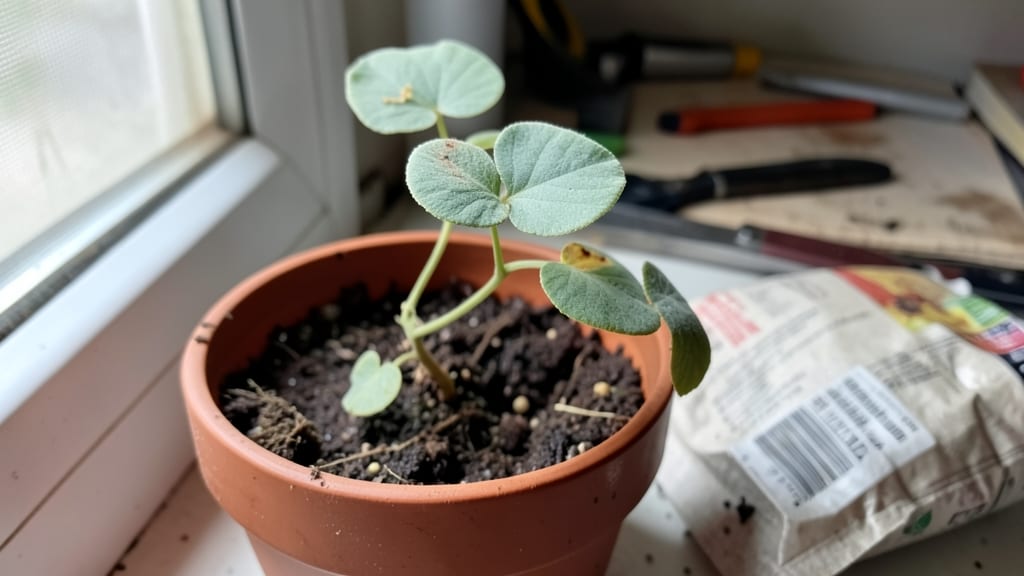
Growing monk fruit from a single seedling gives you a plant that produces natural sweetener year after year—no store-bought sugar needed. 🌱 I’ve grown mine in containers and garden beds, and the key to success starts with the right soil, sunlight, and patience.
The first year is all about establishing strong roots before you even see flowers, but once it takes hold, you’ll have a plant that keeps giving.
The soil should be well-draining and slightly acidic, almost like a mix of garden soil and compost. Monk fruit plants love warmth and need at least 6-8 hours of sunlight daily, so a sunny spot is non-negotiable.
Watering should be consistent but not soggy—think of it like keeping a sponge damp, not drenched. Overwatering is the fastest way to kill a young seedling, so let the top inch of soil dry out between waterings.
By the second year, you’ll start seeing clusters of small white flowers that eventually turn into those distinctive green fruits. Each fruit contains hundreds of seeds, but don’t let that intimidate you—the plant rewards your care with a harvest that tastes sweeter than anything you’ve tried before.
The real magic happens when you dry the fruit and use it as a natural sweetener, cutting sugar cravings without the guilt.
Even if you’re new to gardening, monk fruit is forgiving once you get the basics right. Slow growth? It’s normal—the plant stores energy for years before fruiting. Pest issues? A quick spray of neem oil usually does the trick.
With the right approach, you’ll end up with a plant that’s as rewarding to grow as it is to harvest.
📚 In This Guide
- What you need
- Instructions
- Tips and common mistakes
- Wrapping up and next steps
What you need
- ● Monk fruit seeds – 5–10 seeds (fresh or dried, from a trusted source).
- ● Seed-starting mix – 1–2 gallons of lightweight, well-draining potting soil (avoid garden soil).
- ● Seedling trays or small pots – 4–6" deep with drainage holes (biodegradable pots work too!).
- ● Grow lights or sunny windowsill – 12–16 hours of light daily (LED grow lights are ideal).
- ● Misting bottle or spray nozzle – For gentle hydration without overwatering.
- ● Clear plastic wrap or humidity dome – To retain moisture during germination.
- ● Fertilizer (balanced or organic) – A 10-10-10 or 5-5-5 formula (diluted to half-strength).
- ● Hand trowel – For planting and transplanting.
- ● pH test kit – To ensure soil pH is between 6.0–6.5 (monk fruit prefers slightly acidic soil).
- ○ Heating mat (optional) – Speeds up germination (70–80°F is ideal).
- ● Support stakes or trellis – For vining varieties (monk fruit can grow 10+ feet!).
- ● Pruning shears – For shaping and maintaining the plant.
Step-by-Step instructions for growing monk fruit seedlings
Here's how to nurture a monk fruit seedling into a thriving vine that produces natural sweetness year after year.
🌱 Step 1: Select and Prepare Your Starting Container
Monk fruit vines need room to grow, so choose a 5-gallon container with drainage holes—this gives roots plenty of space to spread. I like to use a fabric grow bag because it allows excess moisture to evaporate while keeping roots aerated. Fill the container with well-draining potting mix mixed with 20% perlite to prevent compaction.
Tap the container gently to settle the soil, then water it thoroughly until moisture runs freely from the drainage holes. This ensures the mix is evenly damp but not soggy. Monk fruit seedlings hate sitting in wet soil, so good drainage is critical from day one.
🌿 Step 2: Plant Your Seedling at the Right Depth
Dig a hole in the center of the container twice as wide as the seedling’s root ball but no deeper. Gently remove the seedling from its nursery pot and loosen any circling roots with your fingers. Place it in the hole so the top of the root ball sits just below the soil line—burying too deep can suffocate the stem.
Fill the hole with additional potting mix, pressing lightly around the base to eliminate air pockets. Water again until the soil is moist 2 inches deep. You’ll notice the soil settle slightly—this is normal, so add a little more mix if needed to keep the seedling upright.
☀️ Step 3: Position for Maximum Sunlight and Warmth
Monk fruit thrives in full sun, so place your container in a spot that gets at least 6-8 hours of direct sunlight daily. A south-facing window or outdoor patio works well, but if you’re growing indoors, supplement with a grow light kept 6 inches above the plant for 12-14 hours a day. Without enough light, vines grow leggy and produce fewer sweet fruits.
Keep the soil temperature between 70-85°F—monk fruit is tropical and won’t tolerate cold drafts. If your home runs cooler, place a seedling heat mat beneath the container to maintain warmth. Watch for new leaves forming within 2-3 weeks—this is your sign the plant is happy and adapting.
💧 Step 4: Water Deeply and Maintain Consistent Moisture
Water your monk fruit seedling once a week, soaking the soil until water drains from the bottom. Let the top 1-2 inches of soil dry out between waterings—overwatering causes root rot, while underwatering stresses the plant. I like to use a moisture meter to check levels, but you can also stick your finger in the soil: if it feels dry up to your first knuckle, it’s time to water.
During hot months, you may need to water every 5-6 days, especially if the container is in direct sun. Always water at the base to avoid wetting the leaves, which can lead to fungal issues. You’ll see the vine’s leaves perk up and stay a vibrant green when moisture is just right.
✂️ Step 5: Prune and Train for a Stronger Vine
Once your seedling reaches 12 inches tall, start pruning to encourage bushier growth. Use clean bypass pruners to trim back the top 2-3 inches of the main stem, just above a leaf node. This redirects energy to side shoots, giving you a fuller plant. Remove any yellow or damaged leaves immediately—they drain nutrients and attract pests.
If growing outdoors, train the vine along a trellis or sturdy stake as it grows. Monk fruit vines can reach 10-15 feet, so providing support early prevents sprawling and makes harvesting easier. Prune again in early spring to shape the plant and remove any weak or crossing branches. You’ll notice new growth within 2-3 weeks of pruning, signaling the vine is recovering well.
Tips & tricks for perfect monk fruit seedling growth
Growing a thriving monk fruit vine takes patience and a few key tricks to keep your plant happy and productive. Here's what I've learned from years of nurturing these sweet little vines.
The Container Matters: In Step 1, when selecting your 5-gallon container, consider adding a layer of gravel or small rocks at the bottom before the potting mix. This creates extra drainage space and prevents soggy roots—a common issue with tropical plants like monk fruit. I also recommend using a container with multiple drainage holes if possible, as this helps prevent root rot even more effectively.
Root Care During Planting: When you're loosening those circling roots in Step 2, take an extra moment to gently tease them apart. This prevents girdling as the vine grows. I've found that adding a small handful of worm castings to the planting hole gives seedlings a nutrient boost right from the start. Just mix it into the potting mix around the roots before backfilling.
Lighting Secrets: For the 6-8 hours of sunlight in Step 3, position your container where it gets morning sun and afternoon shade if you're in a very hot climate. This prevents leaf scorch while still providing essential light. If using grow lights for the 12-14 hours, I recommend using full-spectrum LED bulbs—they mimic natural sunlight better than standard bulbs and help prevent leggy growth.
Watering Wisdom: In Step 4, when checking soil moisture, I've found that monk fruit seedlings actually prefer slightly drier conditions than most plants. The top 1-2 inches drying out is perfect, but if you notice the leaves starting to curl slightly, that's your cue to water—it means the roots are thirsty. During the hot months when you might water every 5-6 days, consider using lukewarm water instead of cold tap water, as tropical plants appreciate the temperature.
Pro Tips for Monk Fruit Seedling
- Growing a thriving monk fruit vine takes patience and a few key tricks to keep your plant happy and productive.
- The Container Matters: In Step 1, when selecting your 5-gallon container, consider adding a layer of gravel or small rocks at the bottom before the potting mix.
- Root Care During Planting: When you're loosening those circling roots in Step 2, take an extra moment to gently tease them apart.
Frequently asked questions
Got questions about growing your own monk fruit seedlings? You’re not alone—this unique plant has its quirks! Here are some of the most common concerns and their straightforward answers to help you succeed.
How long does it take for a monk fruit seedling to mature and produce fruit?
A monk fruit seedling typically takes 3–5 years to mature and bear fruit. Patience is key! During the first year, focus on establishing a strong root system and healthy growth. In years 2–3, you’ll see more vigorous vines, but fruit production usually peaks in years 4–5. Pro tip: Provide consistent care (sunlight, water, and fertilizer) to speed up the process slightly.
Can monk fruit seedlings survive winter, or do I need to bring them indoors?
Monk fruit is a tropical/subtropical plant and is not frost-hardy. If you live in a cold climate (below 20°F/-7°C), grow it in containers and move it indoors or to a greenhouse during winter. Alternatively, plant it in a protected microclimate (like near a warm wall) or use row covers. Without proper protection, seedlings will die in freezing temperatures.
How often should I water a monk fruit seedling, and what’s the best method?
Water your monk fruit seedling 1–2 times per week, depending on your climate and soil drainage. The key is to keep the soil consistently moist but not soggy. Use a drip irrigation system or water at the base of the plant (avoid wetting the leaves) to prevent fungal diseases. Pro tip: Mulch around the base to retain moisture and regulate soil temperature.
What are some common problems with monk fruit seedlings, and how do I fix them?
Here are a few issues you might encounter and how to troubleshoot them:
- Yellowing leaves: Often caused by overwatering or nutrient deficiency. Adjust watering and fertilize with a balanced, organic fertilizer.
- Slow growth: Check for insufficient sunlight (monk fruit needs 6+ hours of direct sunpoor soil. Amend soil with compost and ensure full sun exposure.
- Pests (aphids, spider mites):strong> Use neem oil or insecticidal soap to treat infestations. Keep the plant healthy to deter pests naturally.
Are there any alternatives to growing monk fruit from seed if I want sweeter fruit faster?
If you’re eager for fruit but don’t want to wait years, consider buying a mature monk fruit plant from a nursery (they’re often grafted for faster production). Another option is to propagate from cuttings of a healthy vine, which can produce fruit in 1–2 years. However, seeds are the most rewarding long-term method for unique varieties!
Wrapping up and next steps
Growing your own monk fruit seedling is a rewarding journey that brings sweet, natural rewards straight to your kitchen! 🌱 With the right soil, sunlight, and care, you can enjoy a year-round supply of this zero-calorie sweetener—all from a single plant.
Whether you're a gardening newbie or a seasoned pro, this guide makes it simple and fun.
Ready to take the next step? Start by planting your seedling today and watch it thrive. Soon, you’ll be harvesting your own homegrown sweetness—one vine at a time!