Picking
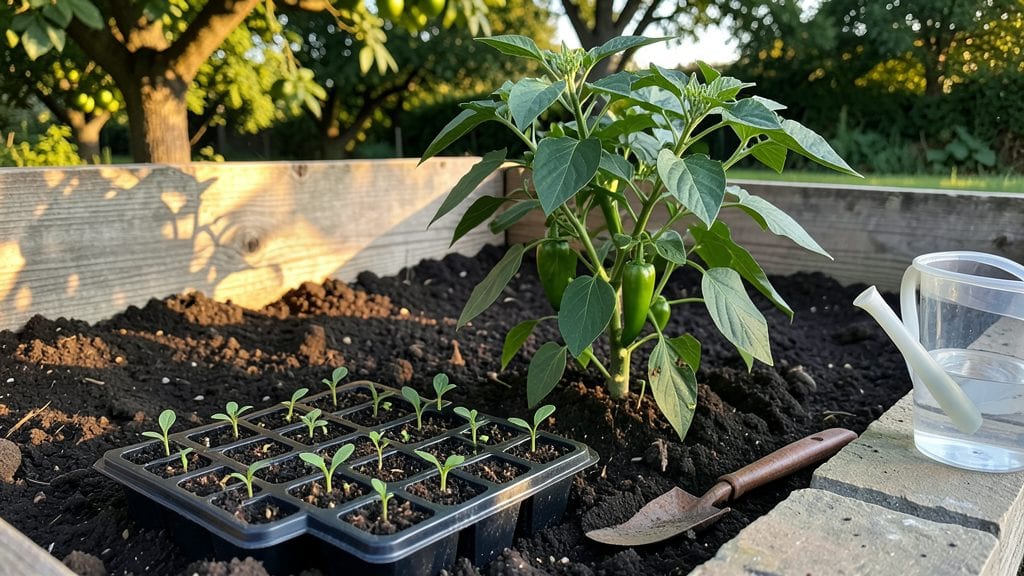
Seeding jalapeno peppers starts with the right timing and a warm, moist environment—because those tiny seeds need all the encouragement they can get to break through the soil. 🌱 I’ve learned the hard way that rushing them or planting too deep kills their enthusiasm before it begins.
The secret lies in patience and precision: sow seeds indoors 8-10 weeks before your last frost, or directly outdoors after soil reaches 60°F, when the ground is soft enough to crumble like cake batter.
You’ll need just a few supplies: biodegradable pots or a seed tray, sterile seed-starting mix (not garden soil), and a spray bottle for gentle watering. Jalapeno seeds are finicky about moisture—too much drowns them, too little leaves them parched.
The goal is to keep that mix damp like a wrung-out sponge, not soggy. A heating mat underneath the tray can shave days off germination time, especially in cooler climates where spring lingers.
Within 7-14 days, you’ll see those first green shoots poking through the soil—proof you’ve done everything right. They’ll start as delicate as spider legs but grow into sturdy seedlings with broad leaves if you keep them in bright light (or under grow bulbs) and avoid cold drafts.
The real magic happens when you transplant them outdoors after hardening off, where they’ll reward your effort with bold, fiery peppers by midsummer.
Here’s the thing—jalapenos thrive when you let them stretch their roots. Crowding them now means stunted plants later, so give each seedling 12-18 inches of space in the garden. And if you’re seeding directly outside?
Wait until nighttime temps stay above 55°F—those seeds won’t germinate in the cold, no matter how much you hope for an early harvest.
📚 In This Guide
- What you need
- Instructions
- Tips and common mistakes
- Wrapping up and next steps
What you need
- ● Jalapeno seeds: 5–10 seeds (fresh or stored properly in a cool, dry place). Look for heirloom or organic varieties for best results.
- ● Seed-starting mix: 1–2 cups of sterile, well-draining potting soil (avoid garden soil—it’s too dense!). Brands like FoxFarm Ocean Forest or Espoma Seed Starting Mix work great.
- ● Containers: 4–6 small pots (2–3 inches deep) or
- ● A seed tray with cell inserts (if starting multiple seeds).
- ● Watering can or spray bottle: With a fine mist nozzle to avoid disturbing seeds.
- ● Grow lights or sunny windowsill: A south-facing window (6+ hours of sunlight daily) or a LED grow light (12–16 hours/day).
- ● Plastic wrap or humidity dome: To create a mini greenhouse effect and retain moisture.
- ● Label markers & tags: To track seed varieties (especially if testing multiple types!).
- ● Seedling heat mat: Keeps soil at 75–85°F for faster germination (jalapenos love warmth!).
- ● Fertilizer: A balanced, water-soluble fertilizer (like 5-5-5) to give seedlings a boost after sprouting.
- ● Tweezers: For delicate seed placement (if you’re a perfectionist!).
- ● Grow journal: To log planting dates, germination progress, and notes on your pepper’s growth journey.
Step-by-Step instructions for seeding jalapeno peppers
Here’s the method I’ve used for years to get fast, vigorous jalapeno seedlings that thrive from day one.
🌱 Step 1: Prepare Containers and Seed Starting Mix
Fill 4 biodegradable seedling pots (about 2-3 inches deep) with a sterile seed-starting mix. Press the mix down lightly so it’s firm but not compacted—you want air pockets gone but roots able to push through easily. I like to tap the pots gently on the table to settle the soil evenly.
Moisten the mix until it’s damp but not soggy. Think of a wrung-out sponge—it should hold together when squeezed but not drip water. This prevents both over-saturation and dry pockets where seeds might fail to germinate.
🌱 Step 2: Sow Seeds at the Right Depth
Plant 1-2 seeds per pot at a depth of about ¼ inch. Jalapeno seeds are small but sturdy, so don’t bury them too deep—they need light to trigger germination. Cover them lightly with a sprinkle of additional mix, then mist the surface gently with water until it’s evenly moist.
I tap the seed packet gently to release one seed at a time—planting too many in one hole leads to weak, crowded seedlings. Label each pot with the date and variety if you’re growing multiple types. Place the pots in a warm, dark spot (like a seedling heat mat set to 75-85°F) to encourage fast germination.
💧 Step 3: Provide Warmth and Moisture for Germination
Keep the soil consistently moist but never waterlogged. A humidity dome or plastic wrap helps retain warmth and moisture, but remove it once 50% of seeds have sprouted—trapped humidity invites damping-off, a fungal disease that collapses seedlings overnight.
Germination usually takes 7-14 days, depending on temperature. You’ll see tiny green sprouts push through the soil first, followed by the first true leaves (which look different from the initial seed leaves). This is your signal to move them to light immediately.
☀️ Step 4: Move to Bright Light for Strong Growth
Once seedlings emerge, place them under a grow light or in a south-facing window where they’ll get 14-16 hours of light daily. Without enough light, seedlings stretch leggily and become weak. Position the light 2-4 inches above the pots and adjust as they grow.
Strong seedlings have thick stems and deep green leaves. If they lean toward the light, rotate the pots a quarter turn daily so they grow straight. You’ll notice new leaves emerging within a week—that’s your sign everything is working.
✂️ Step 5: Thin and Harden Off Before Transplanting
When seedlings have 2-3 sets of true leaves (about 4-6 weeks after sowing), thin to the strongest seedling per pot. Snip the weaker one at the base with scissors to avoid disturbing the roots of the remaining plant.
Two weeks before your last frost date, start hardening off the seedlings by placing them outside in a sheltered spot for 1-2 hours the first day. Gradually increase outdoor time over 10-14 days
Tips & tricks for seeding jalapeno peppers
Here’s what I’ve learned over the years to ensure your jalapeno seedlings grow fast and strong from the very start.
Soil Temperature Matters: The 75-85°F heat mat recommendation isn’t just about speed—it’s about consistency. Jalapeno seeds germinate best when soil stays within this range. If your home is cooler, place the pots on top of a refrigerator or in a warm closet until sprouts appear. I’ve seen germination times cut in half when using this method!
Light Positioning Secret: Those 14-16 hours of light daily are crucial, but placement matters just as much. Position your grow light so it’s 2-4 inches above the pots and adjust as seedlings grow. I like to use a small clip-on light that I can easily move—this prevents leggy seedlings that stretch toward the light source. Watch for leaves touching the light, which can burn them.
Thinning Technique: When you reach the 2-3 sets of true leaves stage in Step 5, don’t yank seedlings out—snip them at the base with clean scissors. This prevents disturbing the roots of your remaining plant. I’ve found that seedlings removed this way recover better if accidentally damaged during transplanting later on.
Harden Off Gradually: The 1-2 hours initial outdoor time in Step 5 might seem short, but it’s perfect for acclimation. Increase by 1-2 hours daily until they’re out for the full day. I’ve seen seedlings shocked by sudden exposure—this method prevents that. Place them in dappled shade at first to avoid sunburn on tender leaves.
Pro Tips for Seeding A Jalapeno
- Here’s what I’ve learned over the years to ensure your jalapeno seedlings grow fast and strong from the very start.
- Soil Temperature Matters: The 75-85°F heat mat recommendation isn’t just about speed—it’s about consistency. Jalapeno...
- Light Positioning Secret: Those 14-16 hours of light daily are crucial, but placement matters just as much. Position ...
Frequently asked questions
Got questions about seeding jalapeños? You’re not alone! Here are answers to the most common concerns to help you grow fiery, healthy peppers from scratch.
How long does it take for jalapeño seeds to germinate?
Jalapeño seeds typically sprout in 7–21 days, depending on temperature, moisture, and seed freshness. Keep soil warm (70–85°F) and consistently moist for the fastest results. If nothing sprouts after 3 weeks, try re-moistening the soil or checking seed viability.
Can I plant jalapeño seeds directly in the ground instead of starting indoors?
Yes, but timing is key! In warm climates (zones 8+), sow seeds directly outdoors after the last frost when soil is at least 60°F. In cooler areas, start indoors 8–10 weeks before the last frost for stronger seedlings. Direct sowing risks slower growth and pest damage, so weigh your climate and patience.
Why aren’t my jalapeño seeds sprouting? Troubleshooting tips?
Try these fixes if germination stalls:
- Check moisture: Soil should stay damp (not soggy). Use a spray bottle if the top layer dries.
- Verify warmth: Seeds need consistent heat (use a heat mat if below 70°F).
- Test seed viability: Soak seeds in water overnight—floaters are likely dead.
- Adjust depth: Bury seeds only ¼ inch deep; deeper planting can suffocate sprouts.
How do I tell if my jalapeño seedlings are healthy?
Healthy seedlings have:
- Sturdy stems (not leggy or weak).
- First true leaves (after the initial seed leaves; should be dark green and firm).
- No yellowing or wilting (signs of over/under-watering or disease).
Will jalapeño seeds from store-bought peppers grow true?
Store-bought jalapeños are often hybrids, so seeds may not produce identical peppers (size, heat, or flavor could vary). For consistent results, buy seeds from a reputable nursery. Save seeds only from heirloom or open-pollinated varieties if you want predictable traits!
Wrapping up and next steps
Seeding jalapeño peppers is a rewarding journey that starts with patience and the right techniques. By following these proven steps—from selecting high-quality seeds to nurturing your seedlings with warmth and care—you’ll set yourself up for a thriving harvest. 🌱
Now that you’re armed with knowledge, take the next step! Grab those seeds, prep your growing space, and watch your jalapeños sprout into fiery, flavorful plants. Happy gardening—your taste buds (and future salsas) will thank you!