Vegetables
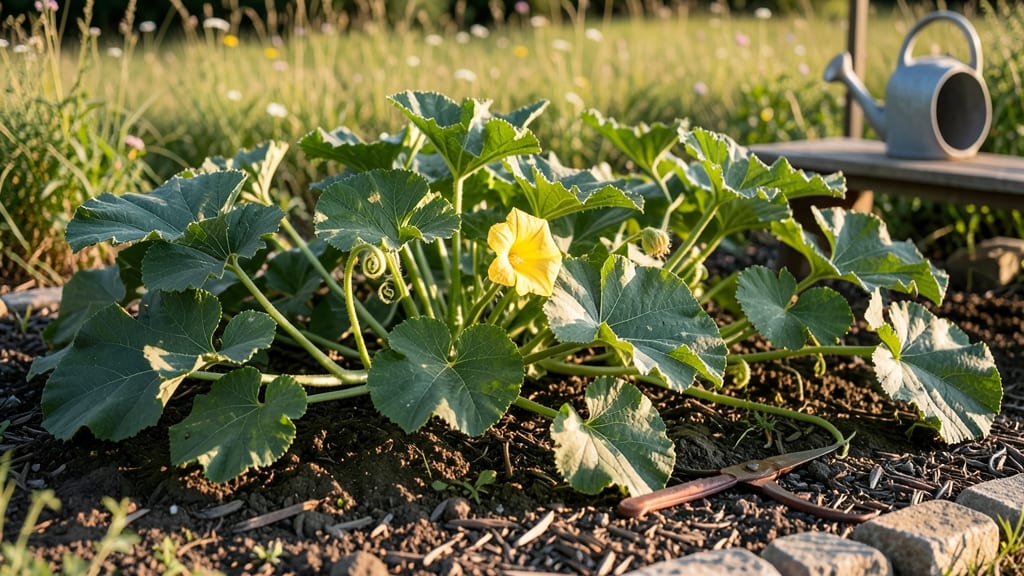
Those first pumpkin seed leaves are the secret to fast, bushy vines—and I’ve learned the exact tricks to get them popping within days, not weeks. 🌱 The key isn’t just the seed; it’s the soil warmth and moisture balance that turns a floppy seedling into a powerhouse plant.
Most gardeners overlook how critical those initial leaves are—they’re the plant’s energy factories, and healthy ones mean bigger fruits later.
Start with seeds in 75-85°F soil—too cold, and they’ll sulk for weeks. I use black plastic mulch to speed things up, and once those first leaves unfurl, they should be dark green and glossy, not yellow or wrinkled.
If they’re struggling, it’s usually water stress or poor drainage. A quick fix? Mix in compost and keep the soil damp but not soggy—think of it like a sponge, not a swamp.
📚 In This Guide
- What you need
- Instructions
- Tips and common mistakes
- Wrapping up and next steps
What you need
- ● Pumpkin seeds: 10–20 organic, non-GMO pumpkin seeds (save seeds from heirloom pumpkins for best results).
- ● Seed-starting soil: 1–2 bags of sterile, well-draining potting mix (look for "seed-starting" blends).
- ● Containers: 2–4 small pots (4–6 inches deep) or biodegradable seedling cups.
- ● Grow lights or sunny windowsill: A full-spectrum LED grow light (if indoors) or a south-facing window with 6+ hours of sunlight.
- ● Spray bottle: For gentle watering (avoid over-saturating seeds!).
- ● Plastic wrap or humidity dome: To retain moisture during germination.
- ○ Fertilizer (optional but helpful): A balanced, water-soluble fertilizer (5-5-5 or 10-10-10) for transplanting.
- ● Heating mat ($10–$20): Speeds up germination by 2–3 days (set to 75–85°F).
- ● pH testing kit ($5–$10): Ensures soil pH is 6.0–6.8 (ideal for pumpkin seed leaves).
- ● Compost or worm castings: Boosts nutrient-rich soil for faster growth.
- ● Trellis or stakes: Supports vines if growing vertically (great for small spaces!).
- ● Pruning shears: For trimming leaves or vines to encourage bushiness.
Step-by-Step instructions for growing pumpkin seed leaves indoors
Here’s how to get your pumpkin seed leaves sprouting quickly and thriving with minimal fuss.
🌱 Step 1: Soak Seeds Overnight for Faster Germination
Place the 4 pumpkin seeds in a small bowl of lukewarm water and let them soak for 8-12 hours. This softens the seed coat, which speeds up germination. You’ll see the seeds swell slightly—this is your cue they’re ready to plant. Real talk: Skipping this step can delay sprouting by 3-5 days, and pumpkin seeds are impatient little things.
After soaking, gently blot the seeds dry with a paper towel. This prevents them from sitting in water once planted, which can cause rot. I like to wrap them in a damp towel for the last hour of soaking—keeps them moist without drowning them.
💧 Step 2: Plant Seeds in Warm, Moist Soil
Fill a 4-inch pot with the 2 gallons of potting mix, pressing it down lightly to create a firm base. Pumpkin seeds need warmth to germinate, so place the pot in a spot where the soil stays between 75-85°F. A seedling heat mat works wonders here—just set it to 70°F and watch those seeds wake up faster.
Plant each seed 1 inch deep and 2 inches apart in the pot. Cover them lightly with extra potting mix, then mist the surface with water until it’s evenly damp but not soggy. You’ll know it’s right when water beads up on the soil surface but doesn’t pool. Cover the pot with plastic wrap to trap heat and moisture—this creates a mini greenhouse effect.
☀️ Step 3: Provide Bright, Indirect Light Immediately
Pumpkin seed leaves need 8-10 hours of bright, indirect light daily to avoid leggy growth. Place the pot near a south-facing window or under a grow light set to 12-14 hours of light per day. If you’re using a window, rotate the pot a quarter turn every day so the seedlings grow straight instead of leaning toward the light.
Watch for the first true leaves—these will appear in 5-7 days if conditions are right. They’ll look like small, rounded leaves (not the initial seed leaves). Once they show up, remove the plastic wrap immediately to prevent fungal issues. Leggy seedlings with pale stems mean your light isn’t strong enough—move them closer or switch to a brighter grow light.
🌿 Step 4: Thin Seedlings and Encourage Bushy Growth
After 10-14 days, when the seedlings have 2-3 true leaves, thin them to the strongest plant per pot. Gently snip the weaker stems at the base with clean scissors—don’t pull them, or you’ll risk disturbing the roots of the remaining plant. You’ll know you’ve picked the right one: it’ll have the thickest stem and the most vibrant leaves.
Once thinned, feed the plant with 1 tablespoon of diluted fertilizer (mix 1 tablespoon with 1 gallon of water) every 2 weeks. Pumpkin seed leaves love nitrogen, so this keeps them lush and green. Water deeply when the top inch of soil feels dry—overwatering here leads to root rot, and nobody wants mushy pumpkin seedlings.
✂️ Step 5: Prune for Bushier Vines and Harvest Leaves
When the plant reaches 6-8 inches tall, pinch off the growing tip just above a leaf node. This encourages the plant to branch out instead of growing tall and leggy. You’ll see new side shoots emerge within 7-10 days, and those are your future leaf harvests. Prune again whenever a vine grows longer than 12 inches—this keeps the plant compact and productive.
Harvest leaves by snipping the outer leaves just above a leaf node. Start with 2-3 leaves per plant every 2 weeks to avoid stressing the plant. Young leaves taste milder and are perfect for salads or garnishes. If you’re growing for seeds later, let a few vines grow long—just keep pruning the rest to maintain a bushy shape.
Tips & tricks for fast pumpkin seed leaf growth
Here's how to skip the common pitfalls and get those pumpkin seed leaves sprouting in record time.
Soaking Secret: For the fastest germination in Step 1, use a bowl of lukewarm water that's about 70°F—this matches the heat mat temperature from Step 2 and creates consistent conditions. I like to add a pinch of sea salt to the soaking water (just a tiny pinch!) to prevent bacterial growth. After the 8-12 hour soak, I give the seeds a final rinse with cool water to shock them gently—this helps them recognize planting time. The seeds should feel plump but not mushy when ready to plant.
Heat Hack: In Step 2, if your home stays below 75°F, don't skip the heat mat—pumpkin seeds need that warmth to break dormancy. I've seen germination times double when seeds are planted in cool environments. Pro tip: Place your heat mat on a tray to catch any condensation from the plastic wrap, which helps maintain moisture levels without overwatering. The goal is to keep that soil between 75-85°F consistently during the first 5-7 days.
Light Strategy: For Step 3, if you're using natural light, position your pot near a south-facing window but not directly in sunlight—direct sun can scorch young seedlings. I've found that placing the pot on a reflective surface (like a white tray) underneath helps bounce more light onto the plants without overheating. When using grow lights, keep them about 6 inches above the seedlings and adjust the height as they grow to maintain that 12-14 hour light cycle.
Pruning Timing: In Step 5, when you reach the pruning stage, I recommend doing it in the morning after watering. The plants will be fully hydrated, making the cuts cleaner and reducing stress. Use clean, sharp scissors and make cuts at a 45-degree angle just above a leaf node—this encourages stronger regrowth. I've noticed that pruning in the morning also gives the plants the whole day to recover before nightfall.
Pro Tips for Pumpkin Seed Leaves
- Here's how to skip the common pitfalls and get those pumpkin seed leaves sprouting in record time.
- Soaking Secret: For the fastest germination in Step 1, use a bowl of lukewarm water that's about 70°F—this matches th...
- Heat Hack: In Step 2, if your home stays below 75°F, don't skip the heat mat—pumpkin seeds need that warmth to break ...
Frequently asked questions
Got questions about growing pumpkin seed leaves?
You’re not alone! Whether you’re a first-time gardener or a seasoned green thumb, these common queries can help you avoid pitfalls and maximize your harvest. Let’s dive in!
When do pumpkin seed leaves start appearing after planting?
Pumpkin seed leaves typically emerge 5–14 days after germination, depending on soil warmth and moisture. If you’ve planted seeds and nothing sprouts in 2 weeks, check for rot (too wet) or dryness. For faster results, use seedling heat mats or a greenhouse setup!
How long does it take for pumpkin seed leaves to become edible?
Young leaves are ready to harvest 3–4 weeks after sprouting, once they’re 4–6 inches tall. Pick the tender, youngest leaves near the vine base—they’re milder and more flavorful. Avoid harvesting more than 1/3 of the plant at once to encourage regrowth!
Can I substitute pumpkin seed leaves for other greens in recipes?
Their mild, slightly sweet taste makes them a great swap for spinach, chard, or even kale in salads, sautés, or smoothies. For a nutty depth, pair them with garlic or toasted pumpkin seeds. Pro tip: Blanch leaves for 30 seconds to soften them before cooking!
Why are my pumpkin seed leaves turning yellow or spotted?
Yellowing or spots usually signal overwatering, pests (like aphids), or fungal issues. Check the soil—it should be moist but not soggy. For pests, spray with neem oil or introduce ladybugs. Fungal problems? Improve airflow and avoid wetting leaves when watering.
Do pumpkin seed leaves regrow after harvesting?
Yes! If you leave at least 2–3 mature leaves per vine, the plant will keep producing new growth. For a continuous harvest, trim leaves every 2–3 weeks. Just avoid cutting into the main stem—this can stunt the plant.
Still stumped? Drop your question in the comments—we’re happy to help your pumpkin seed leaves thrive!
Wrapping up and next steps
Growing pumpkin seed leaves is a rewarding journey that brings lush, edible greens to your table with minimal effort! Whether you’re a seasoned gardener or a curious beginner, these fast-germinating vines offer nutrient-packed leaves and a fun challenge.
With the right soil, warmth, and a little patience, you’ll soon be harvesting tender, flavorful greens—perfect for salads, soups, or sautéing.
Ready to dive in? Start small—try a few seeds in a container or a sunny patch of your garden—and watch your bushy vines thrive! 🌱 For extra success, experiment with the germination hacks shared here, and don’t forget to share your progress with fellow gardeners. Happy growing!