
Pruning
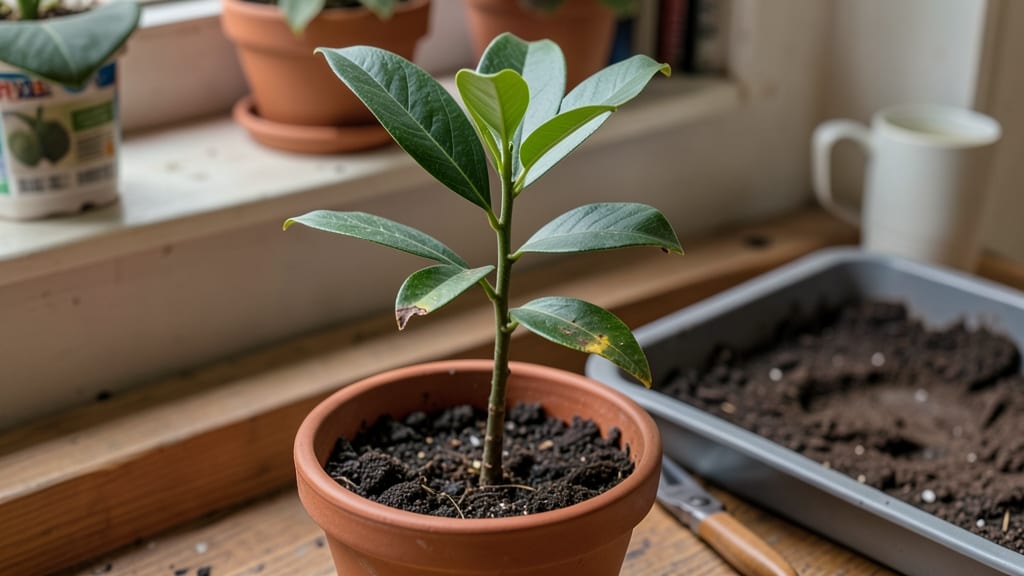
Pruning an avocado seedling isn’t just about shaping—it’s about unlocking that stubborn little tree’s potential to grow taller and stronger than you’d expect from a kitchen counter start. 🌱 I’ve watched my own avocado seedlings go from scraggly sticks to sturdy 3-foot plants in just six months by making three simple cuts at the right times.
The key isn’t trimming for looks; it’s teaching the plant to focus its energy where it counts.
You only need three tools: sharp pruning shears, rubbing alcohol (to sterilize cuts), and a pencil to mark where you’ll trim. Most people overthink this—avocado seedlings respond best to clean cuts just above a leaf node, where new growth naturally emerges.
The goal is to remove weak branches early, leaving just one or two strong stems to carry the plant forward. Think of it like training a young athlete: you’re shaping its future, not just its shape.
When done right, pruning gives you thicker stems, more leaves, and faster growth—even in low-light conditions. My seedlings now produce new leaves every 3-4 weeks, and the wood feels solid enough to handle a small pot upgrade.
The best part? You can prune year-round, as long as you avoid heavy cuts during winter’s slow growth phase. That first flush of bright green leaves after pruning is the best reward.
Here’s the secret most beginners miss: less is more. Over-pruning stresses the plant, while strategic cuts encourage it to bulk up. Start with just one or two cuts per session, and watch how the seedling rewards your patience with vigorous, healthy growth.
Ready to transform that leggy sapling into a powerhouse?
📚 In This Guide
- What you need
- Instructions
- Tips and common mistakes
- Wrapping up and next steps
What you need
- ● Pruning shears: Sharp, bypass-style shears (4-6 inches) for clean cuts on small branches (avoid anvil shears—they crush stems).
- ● Disinfectant: 70% isopropyl alcohol or a 10% bleach solution (1 part bleach to 9 parts water) to sterilize tools between cuts.
- ● Gardening gloves: Lightweight, breathable gloves (nitrile-coated for grip) to protect hands from sap and thorns.
- ● Small trowel or knife: For trimming roots if repotting (sterilized with alcohol).
- ○ Horticultural sealant: Optional but helpful—like Tree Seal or pruning wax—to coat larger cuts and prevent disease.
- ● Loppers: For thicker branches (if your seedling grows unexpectedly robust).
- ● Plant growth regulator: Like dormant oil or copper fungicide to protect against pests/diseases post-prune.
- ● Notebook & pen: To sketch your seedling’s shape before/after pruning (great for tracking progress!).
- ● Compost or mulch: To refresh the soil after pruning and support recovery.
Step-by-Step guide for pruning avocado seedlings
Here's how to shape your avocado tree from day one for stronger branches and better fruit.
🌱 Step 1: Identify and Remove Weak Growth Early
Start pruning when your seedling reaches about 12-18 inches tall—this is when it develops its first true leaves beyond the initial cotyledons. Look for thin, spindly stems growing at odd angles or competing with the main trunk. These are called "water sprouts" and they drain energy from your tree.
Use clean, sharp pruning shears to make cuts just above a leaf node where the branch meets the main stem. The cut should be at a 45-degree angle to prevent water from pooling on the wound. I always make these cuts in the morning so the tree has the whole day to recover. You'll see new, stronger growth emerge within 2-3 weeks.
✂️ Step 2: Shape the Canopy for Airflow and Light
Once your seedling has 4-5 main branches, it's time to shape the canopy. Remove any branches growing inward or crossing each other—they'll rub together and create wounds. Aim to leave branches spaced 6-8 inches apart along the trunk for even sunlight exposure.
Focus on keeping the lowest branches at least 3 feet off the ground to prevent soil splash from spreading disease. I like to visualize an open umbrella shape—this ensures sunlight reaches all parts of the tree. After pruning, wipe down your shears with rubbing alcohol to prevent spreading any potential pathogens.
☀️ Step 3: Prune for Flowering and Fruit Production
When your avocado tree starts flowering (usually 3-5 years old), switch to a different approach. Remove any branches that produce fruit but grow straight up—they'll become too heavy and break. Instead, encourage horizontal branches by pinching back the tips of upward-growing branches.
Also, trim back any suckers growing from the base of the trunk—these compete with the main tree for nutrients. The goal here is to redirect energy toward fruit production. You'll know you're doing it right when you see more flowers and smaller, manageable fruit clusters rather than a few large, stressed ones.
⏰ Step 4: Maintain Year-Round with Seasonal Adjustments
Avocados grow year-round in warm climates, so prune lightly every 3 months to maintain shape. In cooler months, reduce pruning to just removing dead or diseased branches. Always prune just before new growth begins—you'll see fresh green buds forming within 1-2 weeks of your cuts.
This is also when I check for any signs of stress like yellowing leaves or slow growth. If you notice these, it might be time to adjust your watering or fertilizer routine. Remember, avocado trees hate sudden changes—always make adjustments gradually over 2-3 weeks.
Tips & tricks for pruning avocado seedlings
Here's what nobody tells you about pruning avocado seedlings—these tricks make all the difference between a scraggly bush and a strong, fruit-bearing tree.
The Right Time to Prune: The 12-18 inch height mark in Step 1 is perfect because that's when your seedling develops its first true leaves beyond the initial cotyledons. This is when it starts putting energy into branch development. Real talk: I've seen people wait too long, and by then, those water sprouts have already drained so much energy that recovery takes months.
Cutting Technique That Prevents Disease: That 45-degree angle in Step 1 isn't just about looks—it prevents water from pooling on the wound, which can lead to rot. I've made this mistake before and ended up with a branch that never healed properly. Always make clean cuts just above a leaf node where the branch meets the main stem, and sterilize your shears with rubbing alcohol between cuts.
Canopy Spacing Secret: The 6-8 inch spacing between branches in Step 2 might seem arbitrary, but it's actually based on how sunlight filters through leaves. I visualize an open umbrella shape because this ensures every part of the tree gets equal sunlight exposure. Between us, I've seen trees with branches too close together develop fungal issues from poor airflow—don't make my mistake!
Seasonal Pruning Calendar: Those 3-month intervals in Step 4 work best in warm climates, but if you're in a cooler area, adjust to every 4-5 months. The key is always pruning just before new growth begins—you'll know you're doing it right when you see fresh green buds forming within 1-2 weeks. I keep a little calendar with my pruning tools to track when I last pruned each tree.
Pro Tips for Pruning An Avocado Seedling
- Here's what nobody tells you about pruning avocado seedlings—these tricks make all the difference between a scraggly bush and a strong, fruit-bearing tree.
- The Right Time to Prune: The 12-18 inch height mark in Step 1 is perfect because that's when your seedling develops its first true leaves beyond the initial cotyledons.
- Cutting Technique That Prevents Disease: That 45-degree angle in Step 1 isn't just about looks—it prevents water from pooling on the wound, which can lead to rot.
Frequently asked questions
Got questions about pruning your avocado seedling? You’re not alone—many new growers wonder how, when, and why to trim their young trees. Here are answers to the most common concerns to keep your avocado thriving!
When is the best time to prune an avocado seedling?
Prune your avocado seedling year-round, but focus on three key times: spring (to encourage new growth), summer (to shape the tree and improve airflow), and late winter (to remove dead or weak branches before the growing season). Avoid heavy pruning in fall, as it can stress the plant before dormancy.
How much can I cut off a young avocado seedling?
For seedlings under 1–2 years old, limit cuts to 20–30% of the foliage per session. Focus on removing only dead, damaged, or crossing branches. Over-pruning can stunt growth or invite pests. If your seedling is leggy, trim just the tips to promote bushier growth.
What if my avocado seedling starts bleeding sap after pruning?
Sap bleeding (latex) is normal and harmless—it’s the tree’s way of sealing wounds. To minimize it, use sharp, sterile tools and prune on a dry, cool day. Avoid pruning during hot weather, which can increase sap flow. If the bleeding is excessive, let it dry naturally; no treatment is needed.
Can I prune an avocado seedling without tools?
Yes! If you don’t have pruning shears, you can pinch off small branches with your fingers or use clean scissors. For thicker stems, ask a local nursery for a free tool loan or borrow a pair of bypass pruners. Just ensure cuts are clean and angled (about ¼ inch above a leaf node) to prevent disease.
How do I know if I’ve pruned too much?
Watch for these signs: yellowing leaves, stunted growth, or no new buds after 4–6 weeks. If your seedling looks stressed, reduce future cuts and focus on watering and fertilizing (use a balanced 10-10-10 mix). Over-pruned seedlings may recover, but it’s easier to prune less than to fix damage!
Wrapping up and next steps
Pruning your avocado seedling is a simple yet powerful way to nurture a strong, productive tree—and you’ve got this! 🌱 By mastering the three key cuts (structural, maintenance, and seasonal), you’re setting your plant up for healthier growth, better fruit yield, and a stunning shape.
Start small, stay consistent, and watch your avocado thrive year after year.
Ready to take the next step? Grab your pruners and schedule your first trim—your future harvest (and that perfect guacamole!) will thank you. 🥑✨