
Pruning
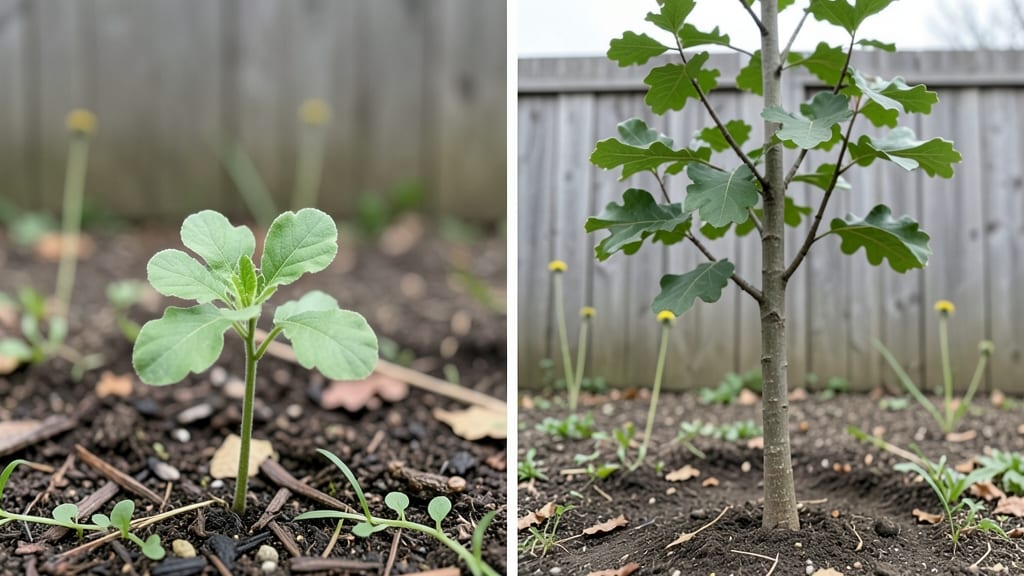
Transforming a delicate seedling into a towering tree is the kind of long-term project that turns your garden into a living legacy. 🌱 I’ve watched my own fruit trees go from tiny saplings to heavy-branched producers, and the secret isn’t just time—it’s knowing when to trim, how to feed, and which challenges to watch for at each stage.
The first year is all about roots and structure: rich soil, consistent watering, and gentle pruning to shape the foundation. After that, it’s a rhythm of three key trims—spring for growth, summer for shape, and late winter for cleanup—each tailored to your tree’s type.
Fruit trees need different care than shade trees, and ornamental varieties have their own quirks, but the core principles stay the same.
By year three, you’ll see real progress: stronger branches, better fruit set, and a tree that’s finally outgrowing its childhood struggles. The payoff isn’t just in the harvest or the shade, but in the quiet satisfaction of watching something you nurtured become a permanent part of the landscape.
This works for apples, maples, or even bonsai—just adjust the timing and tools. Let’s get those roots growing deep and strong from day one.
📚 In This Guide
- What you need
- Instructions
- Tips and common mistakes
- Wrapping up and next steps
What you need
- ● Seedlings: 3–5 healthy, disease-free seedlings (choose fast-growing species like fruit trees, maples, or shade trees for best results).
- ● Potting soil: 10–20 lbs of high-quality, well-draining potting mix (look for labels like "seedling mix" or "organic potting soil").
- ● Containers: 1–2 gallon pots (or larger) with drainage holes for young seedlings; 5–15 gallon pots for older saplings.
- ● Watering can or hose: With a gentle spray nozzle for delicate seedlings.
- ● Fertilizer: Slow-release granular fertilizer (e.g., 10-10-10 or organic options like composted manure).
- ● Mulch: 2–3 inches of organic mulch (wood chips, straw, or pine needles) to retain moisture and suppress weeds.
- ● Pruning shears: Sharp, bypass pruners (for trimming small branches; 1–2 pairs recommended).
- ● Hand pruners or loppers: For thicker branches (1–2 pairs, depending on tree size).
- ● Gloves: Heavy-duty gardening gloves to protect hands from thorns and rough bark.
- ● Trowel or spade: For transplanting seedlings or mixing soil.
- ● Measuring tape or ruler: To monitor growth and plan trims accurately.
- ○ Staking kit (optional): For young, top-heavy trees (includes stakes, ties, and mallet).
- ● Sunlight: 6+ hours of direct sunlight daily (adjust for shade-tolerant species).
- ● Water source: Reliable access to water for consistent hydration.
- ● Weather awareness: Monitor frost dates and temperature fluctuations for young seedlings.
- ● Space: Ensure adequate room for root growth (check mature tree size—some species need 20+ feet!).
- ● Patience: Trees grow slowly! Plan for long-term care and commitment. 🌳
Instructions: transforming seedlings into thriving trees
Here’s how to nurture your young plants into strong, mature trees with minimal stress.
🌱 Step 1: Establish a Strong Foundation in the First Year
Plant your seedlings in well-draining soil enriched with 2-3 inches of compost to encourage deep root growth. Dig a hole twice as wide as the root ball but no deeper—this prevents water pooling around the stem. Gently remove the seedling from its container and loosen any circling roots with your fingers before placing it in the hole.
Backfill with soil, pressing lightly to eliminate air pockets. Water deeply to settle the soil and remove the seedling from the pot. Water immediately after planting to eliminate air pockets and help roots establish contact with the surrounding soil. Keep the soil consistently moist for the first 4-6 weeks, but avoid soggy conditions—roots need oxygen to grow.
☀️ Step 2: Prune for Structure During the Second Year
When your seedling reaches 12-18 inches tall, focus on shaping its structure. Remove any crossing or inward-growing branches first—these compete for sunlight and nutrients. Use clean, sharp pruning shears to make cuts just above a leaf node or outward-facing bud. This encourages outward growth and prevents a narrow, weak trunk.
Thin out crowded branches to improve airflow, which reduces disease risk. Aim for an open, vase-like shape with branches spaced 6-12 inches apart. Prune in late winter or early spring before new growth begins. You’ll see stronger branches and fewer broken limbs during storms.
✂️ Step 3: Maintain Health With Annual Trims
Every spring, remove any dead, diseased, or damaged branches first—they drain energy from healthy growth. Next, trim back any water sprouts (fast-growing, vertical shoots) and suckers (shoots at the base of the trunk). These compete with your tree’s main structure. Cut these back to their origin point to redirect energy to where you want it.
For mature trees, focus on thinning the canopy to let light reach the lower branches. Remove no more than 25% of the foliage in any single year—this prevents shock. Prune in late winter or early spring when the tree is still dormant but before buds swell. You’ll notice fuller, healthier foliage and fewer pest issues.
🌿 Step 4: Support Growth With Seasonal Care
In early spring, apply a 2-3 inch layer of mulch around the base of your tree, keeping it 6 inches away from the trunk. This retains moisture, regulates soil temperature, and suppresses weeds. Water deeply once a week during dry spells, aiming for 1-1.5 inches of water per week. You’ll see leaves stay vibrant even during heatwaves.
Fertilize lightly in early spring with a balanced, slow-release fertilizer. Over-fertilizing can burn roots and encourage weak, fast growth. Monitor for pests like aphids or mites—treat early with insecticidal soap or neem oil. A healthy tree builds natural resistance over time, so focus on consistent care rather than reactive fixes.
Tips & tricks for year-round tree growth
Transforming seedlings into thriving trees takes patience—but these practical tricks make all the difference.
The Root Zone Matters: In Step 1, when planting, avoid compacting the soil too tightly around the roots. Instead, press lightly to eliminate air pockets while leaving room for roots to expand naturally. I learned this the hard way after seeing seedlings struggle in overly dense soil. The 2-3 inches of compost should extend slightly wider than the root ball to encourage outward growth, not just downward.
Pruning Precision: During Step 2, when shaping your tree, make your cuts just above a leaf node or outward-facing bud—this is where new growth will emerge. I always mark the cuts with a pencil first to visualize the final shape. For branches thicker than a pencil, make a second cut 1-2 inches away from the first to prevent tearing. The 6-12 inch spacing between branches ensures sunlight reaches all parts of the canopy.
Seasonal Watering Strategy: The 1-1.5 inches of weekly watering in Step 4 is a guideline, but adjust based on your climate. In summer heat, you might need to water every 3-4 days, while winter rains could mean skipping entirely. I use a rain gauge to track precipitation—this prevents both underwatering and root rot. Water slowly at the base to encourage deep root development rather than surface evaporation.
Mulch Like a Pro: That 2-3 inch layer of mulch in Step 4 should be refreshed every spring. I keep it 6 inches away from the trunk to prevent moisture buildup that can cause rot. Organic mulches like wood chips break down over time, so top up annually. This simple layer regulates soil temperature by 10-15°F, protecting roots during both heatwaves and cold snaps.
Pro Tips for Seedling To Tree
- Transforming seedlings into thriving trees takes patience—but these practical tricks make all the difference.
- The Root Zone Matters: In Step 1, when planting, avoid compacting the soil too tightly around the roots.
- Pruning Precision: During Step 2, when shaping your tree, make your cuts just above a leaf node or outward-facing bud—this is where new growth will emerge.
Frequently asked questions
Got questions about nurturing your seedling into a thriving tree? Here are some of the most common ones—and their straightforward answers!
How long does it take for a seedling to grow into a full-sized tree?
A seedling’s journey to maturity depends on the species, but most trees take 5–15 years to reach full size. Fast-growing varieties like willows or poplars can mature in 5–10 years, while slow growers like oaks or maples may take 20+ years. Regular pruning, proper care, and ideal conditions speed up the process!
When is the best time to trim a young tree?
The dormant season (late winter/early spring) is ideal for pruning seedlings and young trees. Avoid trimming in fall or winter (unless removing dead branches), as it can stress the tree. For evergreens, prune in late winter or early spring before new growth begins.
What if my seedling isn’t growing after planting?
Check these first:
- Watering: Overwatering or underwatering are common culprits. Keep soil moist but not soggy.
- Sunlight: Ensure it gets 6+ hours of sunlight daily (adjust for shade-tolerant species).
- Soil quality: Amend with compost if soil is poor. Test pH if growth stalls.
- Pests/disease: Inspect for chewed leaves, mold, or wilting. Treat with neem oil or fungicide if needed.
Can I grow a tree indoors from a seedling?
Yes, but choose dwarf or container-friendly species like bonsai trees, citrus, or figs. Use a large pot (5+ gallons), well-draining soil, and a south-facing window or grow lights. Prune regularly to control size, and move outdoors in spring/summer for stronger growth.
How much should I trim off a young tree in the first year?
Keep it minimal—no more than 25% of the foliage—to avoid stress. Focus on:
- Removing dead, diseased, or crossing branches.
- Shaping the tree by cutting back overly long branches to encourage bushiness.
- Avoid heavy pruning; let the tree establish its structure first.
Pro Tip:
Label your seedlings with plant tags (species + planting date) to track growth progress and pruning schedules. It’s a game-changer for long-term care!
Wrapping up and next steps
Growing a thriving tree from a seedling is a rewarding journey that blends patience, care, and a little know-how. Remember, consistent trimming—especially in spring, summer, and late fall—sets the foundation for strong growth and stunning foliage.
Whether you’re a beginner or a seasoned gardener, every trim brings you closer to a lush, healthy tree that stands the test of time.
Ready to watch your seedling transform? Start small—pick one trim this season and observe the difference! 🌱✨ For more tips or troubleshooting, revisit our FAQs or explore advanced pruning techniques. Happy growing!