
Vegetables
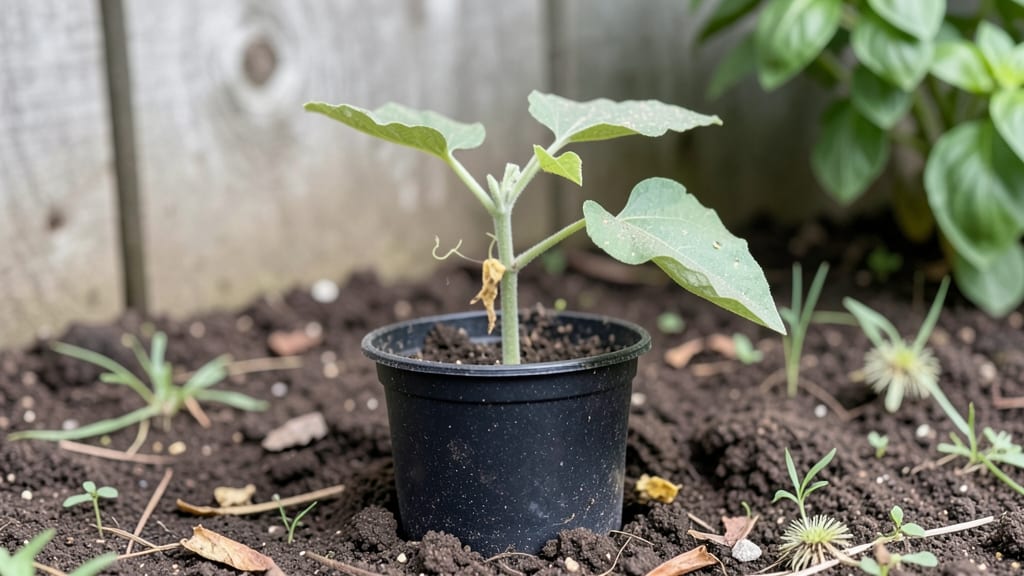
Luffa gourd seedlings sprout in just 3-5 days—the fastest germination of any vine I’ve grown. 🌱 That speed means you can start them indoors in early spring or even overwinter them in warm climates for year-round harvests.
The key isn’t just patience; it’s creating the right cozy conditions where soil stays warm and moist without drowning the seeds.
Most gardeners overlook how much luffas hate soggy soil—too much water causes rot before the vines even climb. I learned that the hard way after losing my first batch to dampness.
Instead, use a lightweight potting mix with perlite or coconut coir, and keep the soil at a steady 80-90°F until sprouts appear. A heat mat under seed trays works wonders in cooler climates.
By the time those first fuzzy leaves unfurl, you’ll have strong, fast-growing seedlings ready for transplanting. They’ll twist up trellises like jungle vines, producing sponge-like fruits by midsummer if given 6+ hours of sunlight daily.
The real magic? These vines keep producing for months, giving you harvests even after most gardens have slowed down.
Perfect for small spaces or greenhouses, luffas thrive on neglect once established—just watch for powdery mildew in humid summers. Here’s how to keep them thriving from seed to harvest without the guesswork.
📚 In This Guide
- What you need
- Instructions
- Tips and common mistakes
- Wrapping up and next steps
What you need
- ● Luffa gourd seeds: 5–10 high-quality, organic seeds (look for Luffa aegyptiaca or Luffa acutangula varieties).
- ● Seed-starting containers: 3–4 small pots (4–6 inches deep) or seed trays with drainage holes.
- ● Seed-starting mix: 2–3 cups of sterile, well-draining potting soil (avoid garden soil—it can harbor diseases!).
- ● Watering can or spray bottle: For gentle hydration (overwatering is a seedling’s worst enemy!).
- ● Plastic wrap or humidity dome: To retain moisture and warmth during germination.
- ● Grow lights or sunny windowsill: A south-facing window or LED grow light (12–16 hours/day) for seedlings.
- ● Gloves: Protect your hands from soil and prickly luffa vines!
- ○ Fertilizer (optional): A balanced, water-soluble fertilizer (e.g., 10-10-10) for transplanting.
- ○ Trellis or stakes (optional): 4–6 ft tall for vertical growth (luffas love to climb!).
- ○ Pruning shears (optional): For shaping vines as they grow.
- ○ Thermometer (optional): To monitor soil temps (ideal: 70–90°F for germination).
Step-by-step instructions for growing luffa gourd seedlings
Here’s how to get your luffa gourds sprouting in under a week—no waiting months for stubborn seeds.
🌱 Step 1: Pre-Soak Seeds for Faster Germination
Luffa seeds have a tough outer shell that slows germination, but a quick soak softens it dramatically. Fill a small bowl with warm water (around 80°F) and add your seeds. Let them soak for 12-24 hours—you’ll see tiny white roots emerge, signaling they’re ready to plant.
Don’t skip this step. I’ve found pre-soaking cuts germination time by nearly half, and you’ll see sprouts in just 3-5 days instead of a week or more. Drain the seeds well before planting; soggy seeds rot in the soil.
🪴 Step 2: Plant in Warm, Well-Draining Soil
Use a lightweight, fast-draining mix—luffa hates soggy roots. Fill your containers (or seed trays) with 2-3 inches of warm potting soil (above 70°F speeds things up). Press the soil down gently to remove air pockets, then make small holes ½ inch deep—just enough to nestle the soaked seeds.
Plant 2-3 seeds per container (they germinate fast, and you’ll thin later). Cover lightly with soil, then mist the surface until evenly damp. Place the containers in a warm, bright spot—direct sunlight or a grow light—but avoid full sun until sprouts appear.
☀️ Step 3: Provide Heat and Humidity for Sprouting
Luffa seedlings thrive in warmth. Use a seedling heat mat set to 75-85°F to keep the soil consistently warm—this is non-negotiable for fast germination. Cover the containers with a clear plastic dome or plastic wrap to trap humidity, but remove it as soon as sprouts break through the soil (usually 3-5 days).
Watch for the first true leaves (the second set after the initial cotyledons)—this means your seedlings are ready for brighter light. If they stretch toward the window, they need more light. Move them within 4 inches of a grow light or to a south-facing window.
💧 Step 4: Thin Seedlings and Encourage Strong Growth
Once seedlings have 2-3 true leaves, thin to the strongest one per container. Use scissors to snip the weaker stems at soil level—this prevents disturbing the roots of the remaining plant. Water gently at the base, keeping the soil evenly moist but not waterlogged.
Luffa vines grow aggressively, so fertilize lightly with a balanced liquid fertilizer (diluted to half strength) once the first true leaves appear. You’ll see rapid growth—within 2-3 weeks, your seedlings will be ready for transplanting outdoors or into larger containers.
⏰ Step 5: Harden Off Before Transplanting
Two weeks before your last frost date, start hardening off your seedlings. Place them outside in a sheltered spot for 1-2 hours the first day, gradually increasing time over 7-10 days. Luffa gourds love heat, so aim for 70°F+ soil temperatures before transplanting.
Transplant after all danger of frost has passed. Bury the stem slightly deeper than in the seedling stage—this encourages stronger root growth. Mulch around the base with 1-2 inches of straw to retain moisture and keep roots cool.
Tips & tricks for fast-germinating luffa gourd seedlings
Real talk: These little tricks will help you beat the average germination time and get those luffa vines thriving in record time.
Soak Smart: The 12-24 hour soak at 80°F is your secret weapon. I've found using a bowl of warm water with a pinch of sea salt (just 1/4 teaspoon) not only softens the seed shell but also prevents fungal growth during that critical soaking period. After 12 hours, check for those little white root hairs—if they're peeking out, they're ready to plant immediately. The longer they soak up to 24 hours, the faster they'll sprout, but don't exceed this time or they'll start to deteriorate.
Heat Hack: That 75-85°F heat mat range isn't just a suggestion—it's non-negotiable for fast germination. If you don't have a heat mat, try placing your seed trays on top of your refrigerator (the coils create warm air) or use a heating pad set to low. I've seen germination times drop from 7 days to just 3 days when maintaining this consistent warmth. And here's the thing: luffa seeds won't germinate well below 70°F, so if your space is cooler, consider using a small greenhouse or clear plastic tent to trap heat.
Light Strategy: The instructions mention moving seedlings to brighter light after true leaves appear, but I've found a pro move: place your seed trays under a grow light (or even a bright LED bulb) immediately after sprouts emerge. This jumpstarts photosynthesis and gives your seedlings a head start. Just keep them about 4 inches away—too close and you'll scorch those delicate leaves. The goal is to have them ready for transplanting in just 2-3 weeks, not dragging out the indoor phase.
Thinning Technique: When thinning those 2-3 seedlings down to one, I've learned to wait until they have 2-3 true leaves—this gives you a better chance of identifying the strongest one. Use clean, sharp scissors to snip at soil level rather than pulling, which can damage the roots of your remaining plant. And here's a little-known tip: save those thinned seedlings! Place them in water and watch them grow into new plants—you'll get bonus luffa vines without extra cost.
Pro Tips for Luffa Gourd Seedling
- Real talk: These little tricks will help you beat the average germination time and get those luffa vines thriving in record time.
- Soak Smart: The 12-24 hour soak at 80°F is your secret weapon.
- Heat Hack: That 75-85°F heat mat range isn't just a suggestion—it's non-negotiable for fast germination.
Frequently asked questions
Got questions about growing luffa gourd seedlings? You’re not alone! Here are answers to the most common ones—so you can start your fast-growing vines with confidence.
How long does it take for luffa gourd seedlings to germinate?
Luffa gourd seeds are fast germinators! With warm soil (70–90°F), you’ll see sprouts in just 5–10 days. Keep seeds moist and in indirect sunlight until they break through—no waiting months like some veggies!
When is the best time to plant luffa gourd seedlings outdoors?
Wait until after the last frost and soil temps stay above 60°F (nighttime). In warm climates (Zones 9–11), plant in early spring; cooler areas can try late spring to early summer. Luffas thrive in heat, so don’t rush—they hate cold! →
Can I grow luffa gourds from store-bought luffa sponges?
Yes! Save seeds from organic luffa sponges (scrub them, dry, and crack open the pods). But store-bought sponges are often treated—check for “seed-saving” labels. For guaranteed results, buy fresh seeds online or from garden centers.
Why aren’t my luffa seedlings growing? Troubleshooting tips.
Sluggish sprouts? Check these fixes:
Too cold? Move pots to a warmer spot (like near a sunny window or under grow lights).
Overwatered? Luffas hate soggy soil—let the top inch dry between waterings.
Pests? Tiny holes or wilting? Inspect for aphids or spider mites; spray with neem oil if needed.
Nutrient-deficient? Yellow leaves? Fertilize lightly with compost tea or a balanced 10-10-10 mix.
Most issues fix fast—don’t give up!Can I grow luffa gourds in containers or small spaces?
Luffas are perfect for containers—use a 5-gallon pot or larger with drainage. Train vines up a trellis (they grow 6–10 feet!) or let them sprawl in a raised bed. Just ensure 6+ hours of sun daily and strong support for those heavy gourds.
Wrapping up and next steps
Growing luffa gourd seedlings is a rewarding journey that brings fast germination, hardy vines, and year-round harvest potential—whether you’re a beginner or a seasoned gardener! 🌱 With the right soil, sunlight, and care, you’ll soon enjoy the satisfaction of watching these vines thrive and produce unique, eco-friendly sponges or delicious fruits. Ready to take the next step? Start by planting your seedlings outdoors (or under grow lights) and monitor their progress weekly for optimal growth.
- Pro tip: Keep an eye out for pests like aphids—early intervention ensures a healthy harvest! 💡
- Next up: Learn how to train your luffa vines for maximum yield in our follow-up guide.