
Propagation
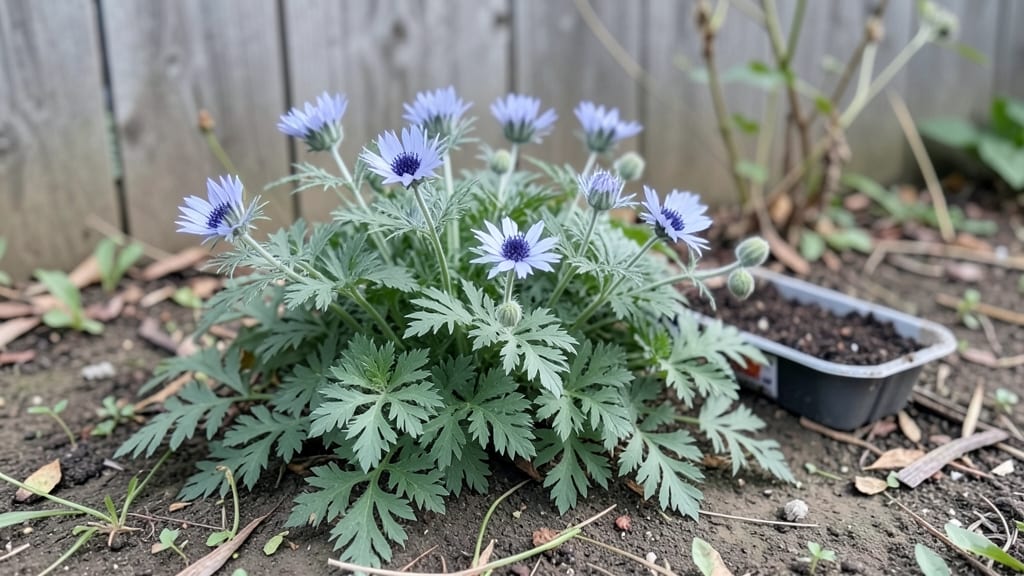
Planting nigella seeds directly in the garden unlocks their secret for fast, feathery blooms that outperform transplants. I’ve watched these delicate blue flowers pop up in just 10 days after sowing—no fuss, no waiting for nursery starts.
The key isn’t just timing; it’s mimicking their natural love of poor soil and open spaces.
You’ll need a sunny spot with 6+ hours of light, loose soil mixed with a little sand (they hate soggy roots), and seeds spaced 6-12 inches apart. Scatter them shallow—just ¼ inch deep—and cover lightly with compost.
Water gently, but don’t drown them; nigella thrives on neglect once established. The real magic happens when you let them self-seed—next year’s flowers practically plant themselves.
By late spring, you’ll have lacy blue or white blooms that attract pollinators while adding height and texture to borders. Pair them with roses or lavender for a cottage-garden dream, or let them naturalize in meadow-style plantings.
The best part? They’re drought-tolerant once grown, so forget the fuss of constant watering.
Fair warning: these seeds germinate best when soil temps hit 50°F+, so wait until after your last frost. If you’re in a warm climate, you can even sow nigella in fall for early spring blooms.
The faster you plant, the sooner you’ll be pinching off spent blooms to encourage more flowers—it’s a game of patience that pays off in months of effortless color.
📚 In This Guide
- What you need
- Instructions
- Tips and common mistakes
- Wrapping up and next steps
What you need
- ● Nigella seeds – Choose high-quality, organic seeds (1–2 grams per square foot or 20–40 seeds per plant, depending on spacing).
- ● Well-draining potting mix – A blend of garden soil, compost, and perlite (or coconut coir) works best. Avoid heavy clay soil.
- ● Containers or garden beds – Use shallow trays (for seedlings) or directly sow in outdoor beds with at least 6–12 inches of spacing between plants.
- ● Watering can or spray bottle – For gentle, even moisture without disturbing seeds.
- ○ Fertilizer (optional but helpful) – A balanced, slow-release organic fertilizer (like 5-5-5) or compost tea to boost early growth.
- ● Mulch or straw – To retain moisture and suppress weeds (especially in outdoor plantings).
- ● Seedling heat mat – Speeds up germination if planting indoors in cooler climates.
- ● Grow lights – For indoor seedlings to ensure strong, leggy-free growth.
- ● Plant labels – To track varieties (e.g., 'Love-in-a-Muffin,' 'Miss Jekyll').
- ● Gardening gloves – Protects hands from soil and prickly seed pods later on!
Instructions for planting nigella seeds directly in the garden
Direct-sowing nigella seeds is the fastest way to grow these delicate yet hardy annuals.
Choose the Perfect Location and Prepare the Soil
Nigella thrives in full sun—select a spot that receives at least 6-8 hours of direct sunlight daily. The soil should be well-draining, as these seeds rot quickly in soggy conditions. I always test drainage by digging a 6-inch hole, filling it with water, and checking if it drains within 30 minutes. If not, amend the soil with 1-2 inches of coarse sand or perlite before planting.
Loosen the top 4-6 inches of soil with a garden fork or trowel to create a fine, crumbly texture. Nigella seeds are tiny, so a smooth, uncluttered bed ensures even germination. Remove any weeds or debris, as competition slows growth. The ideal soil pH for nigella is 6.0-7.5, so if yours is heavy clay or overly acidic, mix in compost to improve structure and balance.
Sow Seeds at the Right Depth and Spacing
Scatter the nigella seeds ¼ inch deep—they’re so small that pressing them lightly into the soil is enough. I use a fine-mesh sieve to distribute them evenly, as sowing too thickly leads to weak, leggy plants. Space seeds 12-18 inches apart in rows 18-24 inches apart for proper airflow and mature plant size. This spacing prevents overcrowding, which invites fungal diseases like powdery mildew.
Once sown, lightly cover with a thin layer of fine soil or compost, just enough to obscure the seeds. Avoid pressing down too firmly, as compacted soil can delay germination. Water gently with a fine spray nozzle until the soil is evenly moist but not saturated. Overwatering at this stage can cause seeds to rot before they sprout.
Provide Consistent Moisture and Light for Germination
Nigella seeds germinate best in consistent moisture and warm soil temperatures of 60-70°F. Keep the soil lightly moist—not soggy—by watering every 2-3 days or whenever the top ½ inch feels dry. A drip irrigation system or soaker hose works best, as it delivers water directly to the roots without disturbing the seeds.
Place a clear plastic dome or row cover over the seeds to retain warmth and humidity, which speeds up germination to 10-21 days. Remove the cover once seedlings emerge to prevent overheating. Thin seedlings to 12-18 inches apart when they reach 2-3 inches tall, using sharp scissors to avoid disturbing roots. The strongest seedlings will have bold, deep green leaves and a sturdy stem.
Maintain Low Care for Fast, Hardy Growth
Nigella is remarkably low-maintenance once established. Water deeply once a week during dry spells, allowing the soil to dry slightly between waterings. Overwatering leads to yellowing leaves or stem rot, while underwatering causes plants to bolt prematurely. Mulch with 1-2 inches of straw or shredded leaves to retain moisture and suppress weeds without smothering the delicate stems.
Fertilizer isn’t necessary, as nigella grows best in lean soil. Too much nitrogen produces lush foliage at the expense of flowers. Instead, side-dress with compost in early spring for a gentle nutrient boost. Deadhead spent blooms to encourage continuous flowering, but leave some seed pods for self-seeding—they’ll pop open dramatically when dry, scattering seeds for next year’s crop.
Protect and Enjoy the Fast-Growing Blooms
Nigella is drought-tolerant once mature, but young plants need consistent moisture to establish roots. If your region experiences hot, dry summers, provide afternoon shade with a lightweight shade cloth to prevent wilting. The plants will rebound quickly once temperatures cool.
In 4-6 weeks, you’ll see delicate, lacy blooms in shades of blue, white, or pink. These flowers attract pollinators like bees and butterflies, making nigella a fantastic addition to cottage gardens. The seeds themselves are edible and add a citrusy, slightly peppery flavor to salads—just let them dry on the plant before harvesting.
Tips & tricks for perfect nigella seeds planting
These direct-sowing secrets will help you grow vigorous nigella plants with minimal effort and maximum speed.
Soil Preparation is Key: The 30-minute drainage test in Step 1 is non-negotiable for nigella success. These seeds rot quickly in soggy soil, so if your garden holds water, amend with 1-2 inches of coarse sand or perlite before planting. I've seen seeds fail to germinate in heavy clay because of poor drainage—don't make that mistake. For even faster results, mix in a handful of compost during soil prep to give those tiny seeds a nutrient boost right from the start.
Precision in Planting: When scattering seeds at ¼-inch depth in Step 2, use a fine-mesh sieve for even distribution—this prevents the common problem of uneven germination. I've learned the hard way that thick sowings lead to weak, leggy plants that struggle to develop strong stems. The 12-18 inch spacing isn't just about mature plant size; it's about airflow that prevents fungal diseases like powdery mildew, which can devastate your crop before it even flowers.
Germination Environment Matters: The 60-70°F soil temperature range in Step 3 is critical for fast germination. If your spring nights are cooler, consider using a clear plastic dome to create a mini greenhouse effect. I've seen germination times stretch to 3 weeks in cool conditions without this protection, when they should be sprouting in 10-21 days. Remember to remove the cover once seedlings emerge to prevent overheating—you want to encourage strong growth, not stunted plants.
Low-Maintenance Growth Strategy: Once established, nigella thrives on neglect, but the 4-6 week bloom time depends on consistent moisture during those early weeks. The key is watering deeply once a week rather than frequent light waterings. This encourages deep root growth that makes plants drought-tolerant once mature. I've found that mulching with 1-2 inches of straw not only retains moisture but also suppresses weeds that compete with your delicate nigella seedlings.
Pro Tips for Nigella Seeds Planting
- These direct-sowing secrets will help you grow vigorous nigella plants with minimal effort and maximum speed.
- Soil Preparation is Key: The 30-minute drainage test in Step 1 is non-negotiable for nigella success.
- Precision in Planting: When scattering seeds at ¼-inch depth in Step 2, use a fine-mesh sieve for even distribution—this prevents the common problem of uneven germination.
Frequently asked questions
Got questions about growing nigella seeds? You’re not alone! Here are answers to the most common queries—from timing to troubleshooting—so you can confidently start your own crop.
When is the best time to plant nigella seeds?
Nigella seeds thrive in cool weather, so aim for early spring (after frost risk passes) or late summer (for fall blooms). They’re frost-tolerant but prefer 60–75°F soil. Avoid planting in scorching heat—they’ll sulk! For a continuous display, stagger sowings every 2–3 weeks.
How long do nigella seeds take to germinate?
Patience pays off! Germination typically takes 10–21 days, depending on soil warmth and moisture. Keep seeds consistently moist but not soggy—a light misting helps. If soil is too dry, germination may stall. Pro tip: Soak seeds overnight before planting for a slight speed boost.
Can I grow nigella seeds indoors before transplanting?
While possible, nigella seeds don’t transplant well—they’re happiest direct-sown. If you must start indoors, use biodegradable pots and harden off seedlings for 1–2 weeks. For best results, skip the transplant and sow directly into the garden where they’ll bloom. →
Why aren’t my nigella seeds sprouting? Troubleshooting tips.
- Too deep: Plant seeds ¼ inch deep max—they need light to germinate.
- Poor soil: Nigella loves well-draining, sandy loam. Amend heavy clay with compost.
- Overwatering: Damp soil = rot risk. Let the top inch dry between waterings.
- Old seeds: Viability drops after 2–3 years. Test a few in a damp paper towel first!
Are there alternatives to nigella seeds for similar blooms?
If nigella proves tricky, try these low-maintenance annuals with comparable charm:
- California poppies (Eschscholzia californica) – Drought-tolerant, self-seeds easily.
- Cornflowers (Centaurea cyanus) – Classic cottage-garden look, thrives in poor soil.
- Sweet alyssum (Lobularia maritima) – Fragrant, fast-growing, and edible!
Wrapping up and next steps
Growing nigella seeds is a rewarding journey that brings beauty and versatility to your garden with minimal effort!
Whether you're drawn to their delicate blooms or culinary uses, direct sowing ensures fast, hardy plants that thrive with care. Start small, experiment with varieties, and enjoy the process—your garden will thank you!
Ready to dive in? Grab your seeds, pick a sunny spot, and get planting! 🌱 For even more tips, explore companion planting or creative ways to use nigella in your kitchen—happy growing!