
Watering
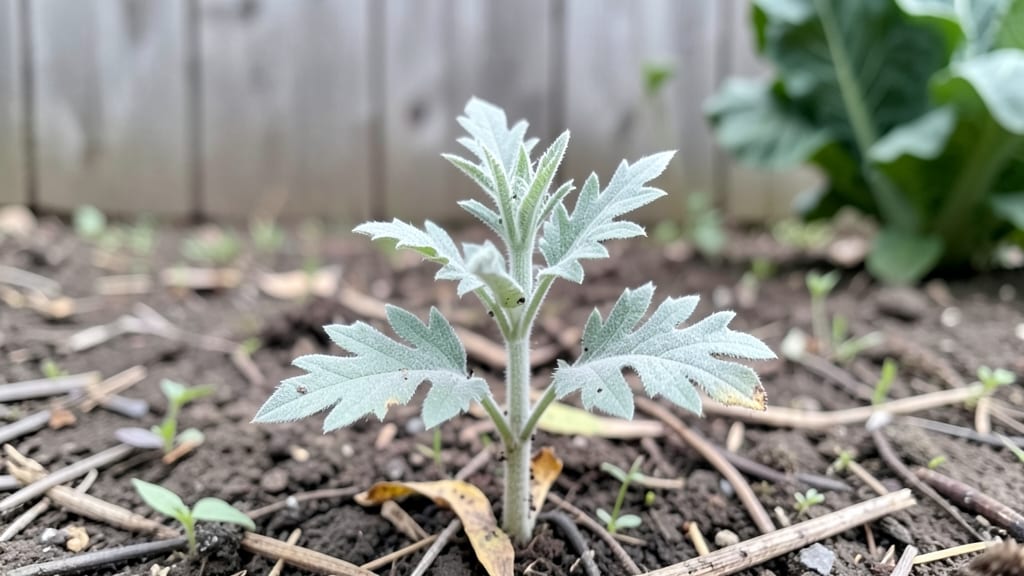
Growing Centaurea cyanus seedlings from seed is where the magic of sky-blue blooms truly begins. 🌱 I’ve learned that the difference between puny, leggy seedlings and sturdy, vibrant plants comes down to three things: light, warmth, and patience.
That first tiny shoot breaking through the soil feels like a promise—one that pays off in summer when your garden turns into a cornflower sea.
The secret to strong seedlings starts with a warm, bright spot—like a sunny windowsill or a seedling heat mat set to 70-75°F. Use a lightweight potting mix (no garden soil) and keep it barely moist, because soggy soil is the fastest way to invite damping-off fungus.
Most beginners overwater here, but seedlings actually prefer a slightly drier environment than mature plants. Once they’ve got their first set of true leaves, you’ll need to thin or transplant them to 4-6 inches apart—crowding leads to weak stems and fewer blooms.
By late spring, you’ll be snipping back leggy seedlings to encourage bushier growth, and within 8-10 weeks, those blue blooms will start popping up like fireworks. The key is consistency: no cold drafts, no sudden temperature swings, and never letting the soil dry out completely.
When you see the first buds form, you’ll know all the early care paid off—your garden’s about to get a whole lot more cheerful.
This method works just as well in containers as in garden beds, so whether you’re filling window boxes or prepping flowerbeds, the same rules apply. The only real challenge is resisting the urge to rush—cornflowers reward the patient gardener with blooms that last from midsummer into fall.
Let’s get those seeds started right.
📚 In This Guide
- What you need
- Instructions
- Tips and common mistakes
- Wrapping up and next steps
What you need
- ● Cornflower seeds – 1 packet (approx. 100-500 seeds), organic or heirloom variety if preferred.
- ● Seed-starting mix – 1 bag (1-2 cubic feet), lightweight and well-draining (avoid garden soil).
- ● Seed trays or pots – 4-6 inch deep, with drainage holes (biodegradable pots work too!).
- ● Watering can or spray bottle – Fine mist setting to avoid disturbing seeds.
- ● Grow lights or sunny windowsill – 6-8 hours of light daily (grow lights preferred for consistent growth).
- ○ Plastic wrap or humidity dome – Optional but helpful for retaining moisture.
- ● Seedling heat mat – For faster germination (70-75°F ideal).
- ● Fertilizer (balanced, low-nitrogen) – Diluted liquid fertilizer (e.g., 10-10-10) after true leaves appear.
- ● Tweezers or small shovel – For delicate seed handling if sowing individually.
- ● pH testing kit – Ensure soil pH is 6.0-7.0 (cornflowers prefer slightly acidic to neutral).
Step-by-Step instructions for growing Centaurea cyanus seedlings
Here’s how I get those classic blue cornflowers thriving—no guesswork, just reliable results.
🌱 Step 1: Start Seeds Indoors for Early Blooms
Sow your cornflower seeds in 2-3 inch deep containers filled with sterile seed-starting mix. Press the seeds ¼ inch deep—they’re tiny, so I use tweezers to place them in neat rows. Cover lightly with a fine layer of mix, then mist gently until the surface looks damp but not soggy.
Place the tray in a warm spot (65-75°F) with bright light (a grow light works best). Keep the soil consistently moist—cornflower seeds need steady moisture to germinate, but don’t let it sit in water. Germination takes 10-14 days, so patience pays off.
💧 Step 2: Thin Seedlings for Stronger Growth
Once seedlings have 2-3 true leaves, thin them to 1 inch apart—crowding weakens stems and reduces bloom quality. Use scissors to snip unwanted seedlings at soil level, leaving the strongest ones. This might sound harsh, but it ensures each plant gets enough nutrients and air circulation.
Water at the base now—avoid overhead watering, which can spread disease. You’ll know moisture is right when the soil feels damp ½ inch down but not wet. Strong seedlings will have bold, upright stems and deep green leaves.
☀️ Step 3: Harden Off Before Transplanting
Two weeks before your last frost, move seedlings outside for 1-2 hours daily in a shaded spot. Gradually increase their time outdoors over 10-14 days, introducing them to full sun by the end. Cornflowers love sun, but sudden exposure can shock tender seedlings.
Watch for first true blooms—they’ll appear 8-10 weeks after sowing. If stems grow leggy, they need more light. Transplant after hardening off, spacing plants 12-18 inches apart in well-draining soil.
✂️ Step 4: Deadhead for Continuous Blooms
Once flowers fade, snip spent blooms ¼ inch above the next set of leaves to encourage new growth. Cornflowers self-seed readily, so you’ll often see volunteers popping up the next season—just thin them to avoid overcrowding.
Fertilize lightly with a balanced 10-10-10 formula every 4-6 weeks during the growing season. Too much fertilizer reduces bloom quality, so less is more. With proper care, your cornflowers will reward you with vibrant blue blooms all summer long.
Tips & tricks for perfect blue cornflower seedlings
Real talk: Growing vibrant blue cornflowers from seed takes patience, but these little tricks make all the difference between wimpy seedlings and showstopping blooms.
Germination Secret: In Step 1, when pressing those ¼-inch-deep seeds, I like to gently press them with my finger after placing them—this ensures good soil contact for even moisture. The 10-14 day germination window can feel like forever, so I use a clear plastic dome or wrap the tray in plastic wrap to maintain humidity. Just remember to remove the cover once you see sprouts to prevent mold.
Lighting Strategy: Cornflowers need bright light from day one, but don't overlook the quality. If using regular household lights, position your seedlings within 6 inches of the bulb—they need 12-16 hours of light daily. I've seen seedlings stretch toward weak light, creating those leggy stems that never recover. A cheap grow light makes all the difference.
Thinning Technique: When you reach Step 2 and need to thin to 1 inch apart, I recommend doing it in two stages. First thin to 2 inches apart when they have their first true leaves, then thin again to final spacing when they have 2-3 true leaves. This gives your strongest seedlings more room to develop without shocking them all at once.
Transplant Timing: The 8-10 week timeline to first blooms assumes consistent care. If your seedlings look leggy before transplanting, don't rush the hardening process—gradually increase their sun exposure over those 10-14 days. I've learned the hard way that transplanting shock can set plants back weeks, especially when they're not fully hardened.
Pro Tips for Centaurea Cyanus Seedling
- Real talk: Growing vibrant blue cornflowers from seed takes patience, but these little tricks make all the difference between wimpy seedlings and showstopping blooms.
- Germination Secret: In Step 1, when pressing those ¼-inch-deep seeds, I like to gently press them with my finger after placing them—this ensures good soil contact for even moisture.
- Lighting Strategy: Cornflowers need bright light from day one, but don't overlook the quality.
Frequently asked questions
Got questions about growing Centaurea cyanus seedlings?
You’re not alone! Here are answers to the most common queries to help you nurture those sky-blue beauties with confidence.
What’s the best time to plant Centaurea cyanus seedlings outdoors?
Plant your seedlings outdoors after the last frost when soil temperatures reach at least 50°F (10°C). For cooler climates, aim for late spring (April–May). If frost threatens, wait—these seedlings are tender! For a longer bloom season, consider a late summer (August) planting for fall color.
How long does it take for Centaurea cyanus seedlings to flower?
From seed to bloom, expect 8–12 weeks under ideal conditions. Seedlings grown from transplants (like yours!) may flower 4–6 weeks faster than direct-sown seeds. Patience pays off—those vibrant blue blooms are worth the wait! Pro tip: Deadhead spent flowers to encourage more blooms all season.
How often should I water Centaurea cyanus seedlings?
Keep soil consistently moist but not soggy—water seedlings daily if the top inch feels dry. Once established (after 2–3 weeks), reduce to 2–3 times per week, letting soil dry slightly between waterings. Overwatering can cause damping-off—a fungal risk for young seedlings.
Can I grow Centaurea cyanus in containers? If so, what size pot is best?
These cheerful bloomers thrive in containers at least 6–8 inches deep with drainage holes. Use a well-draining potting mix and plant 2–3 seedlings per 12-inch pot for a fuller look. Just ensure they get 6+ hours of sunlight daily—containers dry out faster than garden beds!
Are there any common pests or diseases to watch for with Centaurea cyanus seedlings?
Keep an eye out for aphids (tiny green/black bugs) and slugs (especially in damp weather). For aphids, spray with soapy water or introduce ladybugs. Slugs? Use beer traps or diatomaceous earth. Damping-off (a fungal rot) can strike young seedlings—ensure good airflow and avoid overwatering.
What can I plant alongside Centaurea cyanus for a stunning companion garden?
Pair cornflowers with low-growing perennials like thyme or lavender to highlight their height. They also thrive with other annuals like calendula, zinnia, or nasturtium. Avoid planting near sunflowers—they compete for nutrients. For a pollinator magnet, add bee balm or cosmos nearby!
Wrapping up and next steps
Growing Centaurea cyanus seedlings is a rewarding journey that brings bursts of cheerful blue to your garden! With the right soil, sunlight, and care, you’ll soon enjoy vibrant blooms that attract pollinators and add charm to any space. 🌸
Ready to take the next step? Start by planting your seedlings outdoors once they’ve developed a few true leaves and nighttime temperatures stay above 50°F (10°C). Keep an eye on their progress, and don’t hesitate to share your progress with fellow gardeners—they’ll love seeing your blue cornflowers thrive!