
Plants
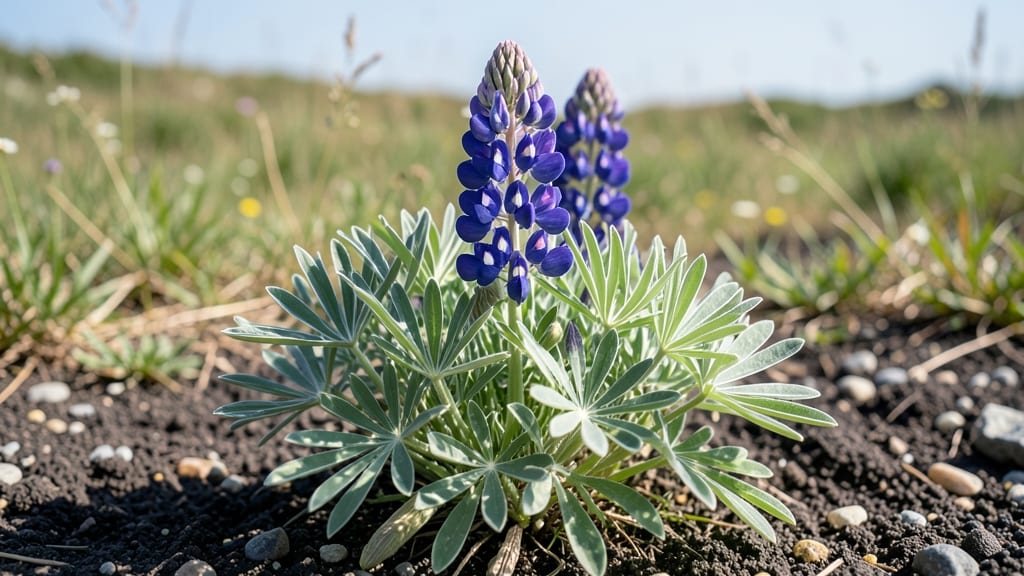
Growing plants with pink seed pods is like unlocking a secret garden—those delicate blooms quickly turn into vibrant pods that last all season. 🌸 I’ve watched sweet peas and lupines transform my backyard into a cottage-core dream in just three weeks, and the best part?
They’re easier to grow than you’d think.
The key is starting with the right soil—light, well-draining mix with compost—and giving them 6-8 hours of sunlight daily. Sweet peas need a trellis to climb, while lupines thrive in slightly sandy soil.
Water consistently but avoid soggy roots, and you’ll see those signature pink pods forming faster than expected.
By midseason, you’ll have clusters of velvety pink seed pods that add texture and color to any garden. They’re perfect for cutting arrangements, seed-saving, or just admiring up close. The best part? These plants self-seed, so next year’s garden will practically grow itself.
Works in borders, containers, or even as a living trellis—just adjust sunlight and support based on your space. Let’s get those pods popping!
The Science Behind Color Shifts
Pink seed pods aren’t just a quirky plant quirk—they’re a fascinating window into your plant’s biology! While vibrant green pods are the norm, pink or reddish hues often signal underlying changes in growth, stress, or nutrient dynamics.
Understanding these triggers can help you nurture healthier plants and even encourage the phenomenon intentionally. Below, we break down the key reasons why your seed pods might turn pink, backed by plant science.
Plants rely on a delicate balance of nutrients to thrive, and when one element is missing, they often visually signal the issue—sometimes through pigment changes. Pink or reddish seed pods are frequently linked to:
- Phosphorus deficiency:
Phosphorus (P) is critical for energy transfer, root development, and seed formation. When levels drop, plants may produce anthocyanins—pigments that give pods a pink or reddish tint—as a stress response. This is common in legumes (like sweet peas or beans) and cacti (e.g., Echinocereus species).
Actionable fix: Amend soil with bone meal or a balanced 5-10-10 fertilizer (high in phosphorus). For container plants, use a slow-release phosphorus-rich pellet.
- Potassium shortage:
Potassium (K) regulates water balance and enzyme activity. A deficiency can cause necrosis (dead tissue) and trigger anthocyanin production in pods. Look for pinkish edges or blotches on otherwise green pods.
Actionable fix: Apply potassium sulfate or wood ash (a natural K source). Avoid overwatering, as excess moisture leaches potassium from soil.
- Calcium or magnesium gaps:
These minerals support cell wall structure. Without enough, pods may develop pinkish discoloration alongside blossom-end rot (common in tomatoes) or stunted growth. Epsom salt (magnesium sulfate) can help, but test soil pH first—acidic soil (below 6.0) locks out calcium.
💡 Pro Tip: Conduct a DIY soil test to pinpoint deficiencies. Pink pods + yellowing leaves? Likely nitrogen + phosphorus issues. Pink pods + weak stems? Potassium or calcium may be the culprit.
Plants are sensitive to their environment, and extreme conditions can trigger pigment changes as a protective or survival mechanism. Pink seed pods often appear when:
- Cold stress:
Chilly nights (below 50°F/10°C) or sudden temperature drops can cause chilling injury, prompting anthocyanin production to shield cells from oxidative damage. This is common in tropical plants (like hibiscus) or cool-season legumes (e.g., lupines).
Actionable fix:
- Use row covers or frost cloth for overnight protection.
- Move potted plants to a sheltered spot (e.g., near a south-facing wall).
- Avoid watering before dusk—wet foliage + cold = faster damage.
- Heat or sun scorch:
Intense sunlight (especially in dry climates) can cause photooxidative stress, leading to pinkish or reddish pods. This is common in desert-adapted plants (like prickly pear cactus) or annuals (e.g., celosia).
Actionable fix:
- Provide afternoon shade with shade cloth (30–50% coverage).
- Mulch heavily to retain soil moisture and reduce heat reflection.
- Water deeply at dawn to cool roots without promoting fungal growth.
- Inconsistent light:
Plants like snapdragons or petunias may develop pinkish pods if they don’t get 6–8 hours of direct sunlight. Low light limits chlorophyll production, causing anthocyanins to dominate.
Actionable fix: Supplement with a full-spectrum grow light (12–14 hours/day) if natural light is insufficient.
✨ Fun Fact: Some plants naturally produce pink pods in response to shorter daylight (e.g., evening primrose). If your pods are consistently pink and the plant thrives, it might just be genetic!
While less common than nutrient or environmental causes, pathogens can induce pink or reddish discoloration in seed pods. Here’s how:
- Powdery mildew (Erysiphe spp.):
This fungal infection thrives in humid conditions and can cause pinkish or purplish patches on pods, often accompanied by a white, powdery coating. Common in cucurbits (squash, melons) and roses.
Actionable fix:
- Improve air circulation by spacing plants 12–18 inches apart.
- Apply neem oil or baking soda spray (1 tsp baking soda + 1 quart water + a drop of soap).
- Water at the base (avoid overhead spraying).
- Bacterial blight (Xanthomonas or Pseudomonas):
Bacterial infections can cause water-soaked lesions that turn pink or reddish as they dry. Often seen in tomatoes or peppers.
Actionable fix:
- Remove infected pods immediately and dispose of them (don’t compost!).
- Use copper-based fungicides (e.g., Bordeaux mixture) as a preventative.
- Rotate crops yearly to break the bacterial cycle.
- Root rot (Phytophthora):
Overwatered or poorly drained soil can lead to anaerobic conditions, stressing roots and causing pods to develop pinkish hues. Often paired with wilting or stunted growth.
Actionable fix:
- Let soil dry 2–3 inches deep between waterings.
- Amend soil with perlite or vermiculite to improve drainage.
- Repot
Fixing Unwanted Seed Pods Fast
Pink seed pods—whether they’re popping up unexpectedly on your prized plants or signaling overripe blooms—can be a gardener’s puzzle. But with the right approach, you can manage (or even harness) them without losing your plants’ beauty or productivity.
Below, we’ll break down common causes and practical, step-by-step fixes, plus prevention tips to keep your garden thriving.
Fix: Prune before they set seed! If your pink blooms are transitioning into seed pods too quickly, they’ve already done their job—pollinated and fertilized. To redirect energy into more flowers (not seeds), act fast:
- 🔪 Snip and Stop
- Use clean, sharp pruning shears to cut off spent blooms at the base of the flower stem (not just the petals).
- Target pods that are half-formed or larger—these are the biggest energy drains.
- 🌿 Redirect Growth
- After pruning, fertilize lightly with a balanced 10-10-10 or bloom-boosting formula (like tomato/flower food) to encourage new buds.
- Pro tip: 💡 Pinch back leggy stems to promote bushier growth—more stems = more potential blooms!
Prevention:
- Deadhead daily (or every other day) during peak bloom seasons to keep plants producing.
- Choose self-cleaning varieties (like some zinnias or cosmos) that drop spent blooms naturally.
Fix: Control pollination for longer blooms! If bees or butterflies are too efficient, your pink flowers may turn into seed pods faster than you’d like. Try these tweaks:
- 🕵️♂️ Shield the Blooms
- Cover new blooms with fine mesh netting (like butterfly netting) for 24–48 hours to delay pollination.
- Remove the netting after petals wilt but before pods form—this buys you time for more flowers.
- 🌸 Pick at the Right Time
- Harvest blooms just as they open (morning is best) for bouquets or arrangements. This removes the temptation for pollinators and gives you stunning cut flowers.
Prevention:
- Plant pollinator-friendly flowers elsewhere in your garden to distract bees from your prized pink blooms.
- Opt for double-flowered varieties (like some dahlias or roses), which often have fewer accessible reproductive parts for pollinators.
Fix: Adjust fertilizer for more blooms, fewer pods! Too much phosphorus or nitrogen can shift a plant’s focus from blooms to seed production. Rebalance with:
- 📊 Test and Tweak
- Do a soil test to check phosphorus (P) and potassium (K) levels. If P is high, switch to a low-phosphorus fertilizer (like 5-3-3).
- Avoid high-nitrogen feeds (like lawn fertilizers) during flowering—they promote foliage over blooms.
- 🥄 Feed for Flowers
- Use a bloom-specific fertilizer (high in phosphorus and potassium, like 7-9-5) every 2–3 weeks.
- Organic option: Compost tea or fish emulsion (diluted) gives a gentle nutrient boost without overfeeding.
Prevention:
- Mulch with compost to improve soil health gradually, reducing the need for sudden fertilizer spikes.
- Rotate crops annually to prevent nutrient depletion that might stress plants into early seeding.
Fix: Shield plants from environmental stress! Extreme heat, drought, or sudden temperature swings can trick plants into thinking it’s time to reproduce. Cool things down:
- 💦 Hydrate Deeply
- Water at the base (not leaves) in the early morning to reduce evaporation and stress.
- Use mulch (straw or shredded leaves) to retain moisture and regulate soil temp.
- 🌿 Provide Shade Cloth
- If your area hits 90°F+ regularly, drape 30–50% shade cloth over plants for a few hours daily.
- Pro tip: 🌡️ Move potted plants to a shadier spot during peak afternoon sun.
Prevention:
- Choose heat-tolerant varieties (like heat-resistant zinnias or portulaca) if you live in a hot climate.
- Avoid overcrowding—poor air circulation stresses plants, speeding up their reproductive cycle.
Not all seed pods are bad!
If you’re growing plants for seeds (like saving heirloom varieties), let a few pods mature: - 🌱 Harvest seeds when pods turn dry and papery (usually brown or tan). - 📝 Label pods by plant type to avoid mix-ups. - 🌿 Store seeds in a cool, dry place for next year’s garden.
Final Thought: Pink seed pods aren’t always a problem—they’re a sign your plants are doing their job. With these fixes, you’ll strike the perfect balance between bold blooms and managed seed production, keeping your garden vibrant all season long! 🌸✨
Frequently asked questions
Which plants naturally produce pink seed pods?
Sweet peas, lupines, and evening primrose are classic choices with stunning pink seed pods. Other options include certain varieties of snapdragons, celosia, and even some cacti like the Echinocereus species. These plants often develop their signature pink hues as the pods mature, adding texture and color to gardens.
Can I use pink seed pods for anything besides decoration?
Many pink seed pods contain viable seeds for next year's garden. Sweet pea pods, for example, can be dried and saved to grow new plants. Some varieties, like lupines, also have edible seeds (though they require soaking). Always research before consuming, and wear gloves when handling pods to avoid skin irritation from fine hairs.
Why are my seed pods turning pink when they should be green?
Pink seed pods often signal nutrient deficiencies (like phosphorus or potassium) or environmental stress. Cold nights, inconsistent sunlight, or overwatering can trigger this color change. Test your soil and adjust care—adding bone meal or potassium sulfate may help restore normal green hues while keeping your plants healthy.
How do I encourage more pink seed pods in my garden?
Focus on well-draining soil with added compost and ensure 6-8 hours of sunlight daily. For climbing plants like sweet peas, provide sturdy trellises. Deadhead spent blooms regularly to redirect energy toward pod production. If growing lupines, plant in slightly sandy soil—they thrive in poor conditions but produce stunning pink pods.
Are pink seed pods safe for birds and wildlife?
Yes! Many pink seed pods attract birds and beneficial insects. The pods themselves are often edible or provide shelter for pollinators. Avoid chemical treatments that could harm wildlife. Native plants with pink seed pods (like evening primrose) are especially valuable for local ecosystems, supporting biodiversity.