
Aphids
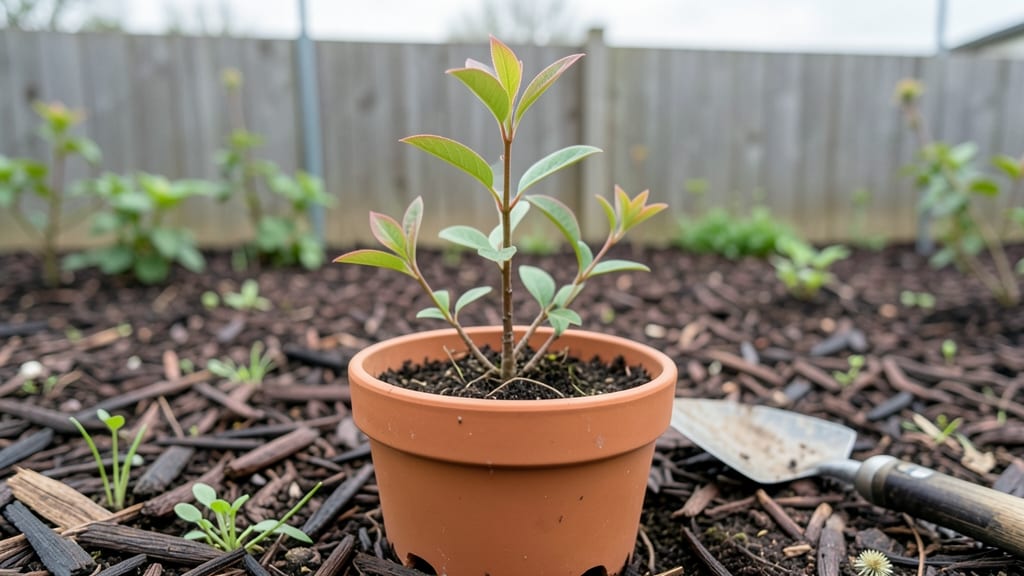
Growing a crepe myrtle seedling from scratch unlocks the secret to aphid-resistant trees that thrive year after year. 🌱 I’ve nursed dozens of these seedlings through the fussy early stages, and the key isn’t some rare technique—it’s patience, the right soil mix, and knowing when to step in.
The first real leaves appear in about 3-4 weeks, and that’s when the magic starts.
You’ll need three simple things: a shallow tray or pot with drainage holes, a mix of 50% peat moss and 50% perlite, and a warm spot with bright, indirect light. Overwatering is the #1 killer—keep the soil lightly moist but never soggy.
A spray bottle works better than a watering can for those tiny seeds, and a humidity dome (or even a plastic bag with holes) speeds up germination.
By the time your seedlings hit 3-4 inches tall, they’ll be tough enough to handle direct sunlight and occasional dry spells. That’s when you’ll notice the first signs of aphid resistance—the leaves stay glossy, growth stays steady, and pests lose interest.
The transition to outdoor planting happens when nighttime temps stay above 55°F, usually by late spring.
This method works for both backyard gardeners and urban balconies—just scale the containers. The real payoff? Trees that outlast store-bought saplings by years, with fewer pests and more vibrant blooms. Let’s get those seeds sprouting!
📚 In This Guide
- What you need
- Instructions
- Tips and common mistakes
- Wrapping up and next steps
What you need
- ● Crepe myrtle seeds – 5–10 seeds (fresh or stored properly in a cool, dry place).
- ● Seed-starting mix – 2–3 cups of well-draining, sterile potting soil (look for a blend labeled for seedlings or succulents).
- ● Small pots or seed trays – 3–5 biodegradable pots (3–4 inches deep) or a seed tray with drainage holes.
- ● Spray bottle – For gentle watering (avoid over-saturating seeds!).
- ● Plastic wrap or clear lid – To create a humidity dome (a small ziplock bag works too!).
- ● Grow lights or sunny windowsill – A south-facing window or a 12–16 hour LED grow light (if natural light is limited).
- ○ Fertilizer (optional but helpful) – A balanced, water-soluble fertilizer (5-10-5 ratio) diluted to half-strength for seedlings.
- ● Heating mat – Speeds up germination (70–75°F is ideal for crepe myrtle seeds).
- ● pH test kit – Ensures your soil is slightly acidic (pH 6.0–6.5).
- ● Insecticidal soap or neem oil – Preemptive strike against aphids (keep handy for early signs of pests!).
- ● Larger pots (6+ inches) – For transplanting once seedlings sprout their first true leaves.
- ● Garden gloves – Protects your hands from soil and sap.
How to grow healthy crepe myrtle seedlings resistant to aphids
Here's how I get strong, aphid-resistant crepe myrtle seedlings every time—no complicated tricks, just clear steps.
🌱 Step 1: Start Seeds in a Warm, Moist Environment
Fill a clean seed tray with 1 inch of moistened seed-starting mix. Press it down lightly so it's firm but not compacted. Scatter crepe myrtle seeds on the surface—don't bury them. They need light to germinate, so just press them gently into the top layer. I like to use a spray bottle to mist the soil until it's evenly damp but not soggy.
The key here is warmth. Place the tray in a spot that stays between 70-75°F—a sunny windowsill or under a heat mat works well. Cover the tray with plastic wrap to trap moisture, but leave it slightly ajar for airflow. Check daily for condensation, and if you see droplets forming, remove the cover for 10 minutes to let excess moisture escape.
Germination takes 14-21 days, so be patient. You'll know it's working when tiny green sprouts push through the soil. Once they appear, remove the plastic completely to prevent fungal growth. This is where many beginners rush—don't overwater now. The soil should stay lightly moist, not drenched.
💧 Step 2: Provide Bright Light and Gradual Watering
As soon as those first leaves appear, move the seedlings to a bright location with 6-8 hours of indirect sunlight daily. A south-facing window is ideal, but if your light is weak, supplement with a grow light kept 4-6 inches above the plants. Too much direct sun at this stage can scorch tender leaves, so watch for yellowing or wilting—those are signs to adjust.
Water the seedlings from the bottom by placing the tray in a shallow dish of water for 10-15 minutes. This encourages strong root development. Let the soil dry out slightly between waterings—crepe myrtles hate soggy roots. You'll know it's time when the top ½ inch of soil feels dry to the touch. Overwatering now leads to weak stems that aphids love to attack.
When the seedlings reach 2-3 inches tall and have 2-3 sets of true leaves, it's time to thin them. Use small scissors to snip the weakest seedlings at soil level, leaving the strongest one in each cell. This might seem harsh, but crowded seedlings grow leggy and prone to pests. Thin seedlings develop thicker stems that naturally repel aphids.
☀️ Step 3: Harden Off and Transplant for Outdoor Growth
About 2 weeks before your last frost date, start hardening off the seedlings. Place them outside in a sheltered spot for 1 hour the first day, gradually increasing their time outdoors by 1 hour daily. This slows their adjustment to sun and wind. Watch for any wilting or leaf drop—these are signs to bring them back inside for another day.
Once the seedlings can handle a full day outside without stress, transplant them into individual 4-inch pots filled with a well-draining potting mix. Dig a hole twice as wide as the root ball and gently place the seedling in, firming the soil around it. Water deeply to settle the roots, and add a 1-inch layer of mulch around the base to retain moisture and suppress weeds.
After transplanting, keep the seedlings in partial shade for 3-5 days to reduce transplant shock. Gradually introduce them to full sun over the next week. This slow transition builds their resilience against aphids and other pests. By the time they're ready for the garden, they'll be tough enough to handle outdoor conditions without stress.
Tips & tricks for perfect crepe myrtle seedling growth
Here's what I've learned after growing dozens of these tough, aphid-resistant seedlings—these simple tweaks make all the difference.
Warmth is Everything: Those 70-75°F temperatures in Step 1 are non-negotiable for germination. If your home runs cooler, place the seed tray on top of your fridge or use a seedling heat mat. I've seen germination times double when seeds are kept too cool—patience is key, but warmth speeds up the process without sacrificing quality.
Light Matters More Than You Think: In Step 2, when you're providing 6-8 hours of indirect sunlight, position your seedlings within 12 inches of the window. If you notice leaves stretching toward the light (a sign of legginess), it's time to move them closer or add a grow light. Leggy seedlings are aphid magnets—strong, compact growth is your best defense.
Thinning Saves Future Headaches: When you reach the 2-3 inch height in Step 2, don't be afraid to thin aggressively. I've seen crowded seedlings develop weak stems that snap under aphid pressure. Keep only the healthiest seedling per cell—it might seem wasteful, but those thick stems will repel pests naturally as they mature.
Harden Off Gradually: The 1 hour daily increase in Step 3 is crucial—rushing this step leads to transplant shock. I like to place seedlings in a sheltered porch area where they get morning sun and afternoon shade during their first few days outside. This mimics natural conditions and builds resilience against aphids.
Pro Tips for Crepe Myrtle Seedling
- Here's what I've learned after growing dozens of these tough, aphid-resistant seedlings—these simple tweaks make all the difference.
- Warmth is Everything: Those 70-75°F temperatures in Step 1 are non-negotiable for germination.
- Light Matters More Than You Think: In Step 2, when you're providing 6-8 hours of indirect sunlight, position your seedlings within 12 inches of the window.
Frequently asked questions
Got questions about growing crepe myrtle seedlings while keeping aphids at bay? You’re in the right place! Here are some of the most common concerns—and their straightforward solutions.
How long does it take for crepe myrtle seedlings to mature enough to resist aphids?
Crepe myrtle seedlings typically develop basic aphid resistance within 1–2 growing seasons (about 12–24 months), but full resilience strengthens as they mature (3–5 years). Young seedlings are still vulnerable—monitor closely and use neem oil or insecticidal soap if needed. Pro tip: Prune early to encourage sturdy growth!
What’s the best time of year to plant crepe myrtle seedlings to avoid aphid infestations?
Plant seedlings in early spring (March–April) or fall (September–October) for optimal root establishment before aphids peak. Avoid late spring/summer—aphids thrive in warm, humid conditions. If planting in summer, water deeply and use shade cloth temporarily to reduce stress. Timing is key!
Can I grow crepe myrtle seedlings from store-bought seeds, or should I buy seedlings?
You can grow from seeds, but it’s slower (germination takes 14–30 days) and less reliable for aphid-resistant varieties. Seedlings from nurseries are hardier and often pre-treated for pests. If starting from seed, choose Lagerstroemia indica varieties known for natural resistance (like ‘Natchez’ or ‘Tonto’). Patience pays off—but seedlings save time!
Why do my crepe myrtle seedlings still get aphids even after planting?
Aphids may appear due to overcrowding, excess nitrogen fertilizer, or nearby infested plants. Fix it: Space seedlings 6–10 feet apart, use balanced fertilizer (10-10-10), and inspect neighboring plants. Spray with soapy water (1 tsp mild soap + 1 quart water) or introduce ladybugs (natural predators). Prevention beats panic!
Are there aphid-resistant crepe myrtle alternatives if seedlings keep failing?
Yes! Try these low-maintenance, aphid-tolerant alternatives:
- ‘Arapaho’ – Drought-resistant with thick leaves.
- ‘Muskogee’ – Compact and less appealing to pests.
- ‘Tonto’ – Heat-loving and naturally repels insects.
- ‘Catawbiense’ (Southern Wax Myrtle) – Evergreen and aphid-resistant.
Wrapping up and next steps
Growing an aphid-resistant crepe myrtle seedling is a rewarding way to add beauty and resilience to your garden! With just three simple steps—selecting healthy seedlings, monitoring for pests, and nurturing growth—you’re well on your way to a thriving, low-maintenance plant. 🌱
Now that you’re armed with the know-how, why not take the next step? Share your progress with fellow gardeners or experiment with companion plants to create an even stronger defense against aphids. Happy planting! 🌿