
Planting
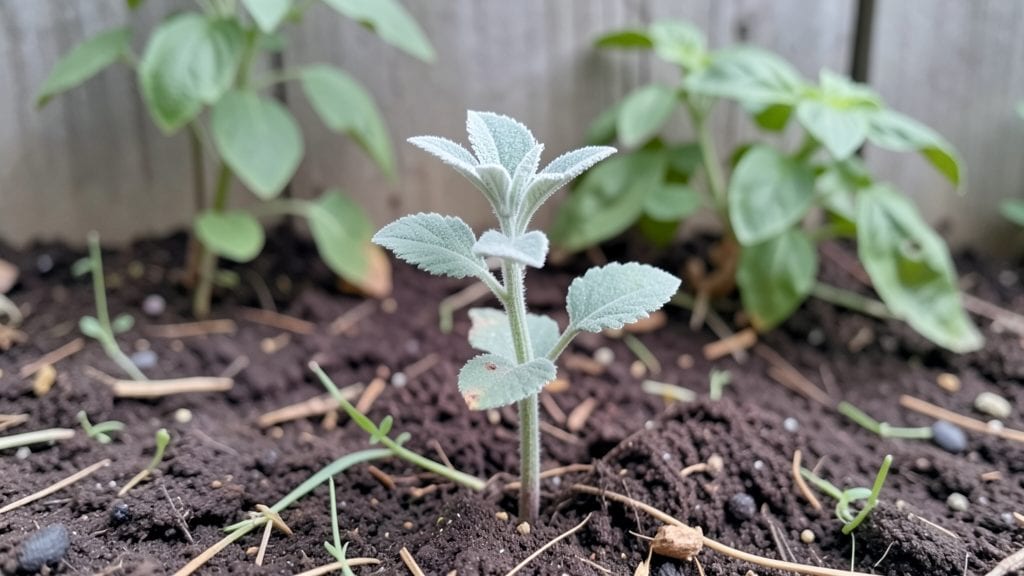
That borage plant seedling shoots up in days—sometimes within 24 hours—because its seeds burst with energy to outrun weeds and pests, racing through soil like little blue rockets.
The trick is timing: sow them directly where you want them to grow, and don’t fuss over soil prep beyond loose, well-draining earth.
Most gardeners overthink borage care, but the reality is simpler than it looks. These plants thrive in full sun or partial shade, tolerate poor soil, and even handle drought once established.
The only non-negotiable? Consistent moisture until those first leaves appear—after that, they’re tough as nails. I’ve seen borage survive in cracked clay and still produce those iconic star-shaped flowers.
What you’ll end up with is a pollinator magnet: bees, butterflies, and hummingbirds can’t resist the nectar-rich blooms. The flowers are also edible—add them to salads or garnishes for a cucumber-like flavor.
Plus, the plants self-seed aggressively, so you’ll likely have volunteers popping up next season without any effort. Here’s how to get them started right.
Even experienced gardeners learn something new from borage—like how to let plants grow wild while still getting results. The key is balancing patience with just enough intervention to keep them happy. Once you’ve mastered this fast-germinating perennial, you’ll wonder why you didn’t try it sooner.
📚 In This Guide
- What you need
- Instructions
- Tips and common mistakes
- Wrapping up and next steps
What you need
- ● Borage seeds: 1 packet (50–100 seeds, organic preferred). Look for heirloom varieties like Borago officinalis.
- ● Seed-starting trays or pots: 2–4 inch deep (6–12 trays/pots, depending on spacing). Use biodegradable pots if transplanting.
- ● Seed-starting mix: 1 bag (sterilized, peat-free, or coco coir-based for best drainage). Avoid garden soil—it’s too dense!
- ● Grow lights or sunny windowsill: 12–16 hours of light daily (LED grow lights work great for seedlings).
- ● Misting bottle or spray nozzle: For gentle watering (avoid drowning seeds!).
- ● Plastic wrap or humidity dome: To retain moisture while seeds germinate.
- ○ Fertilizer (optional but helpful): 1 tsp of balanced organic fertilizer (5-5-5) per gallon of water for seedlings.
- ● Heating mat ($10–$20): Speeds up germination (70–75°F ideal).
- ● Labeling tags: To track varieties (borage seedlings can look like other plants!).
- ● Compost or worm castings: Boosts soil health once seedlings are established.
- ● Tweezers or small spoon: For careful seed placement.
- ● Outdoor hardening-off supplies: Shade cloth or a sheltered spot for acclimating seedlings.
Step-by-Step instructions for growing borage seedlings from scratch
Here’s how to get your borage seedlings thriving in just days—not weeks.
Prepare the Seed Starting Mix and Containers
Use a lightweight, well-draining seed-starting mix to give borage’s delicate roots room to establish. Fill your containers—whether it’s small cell trays or individual pots—with the mix, leaving about ½ inch of space at the top. Borage hates soggy soil, so I always add one part perlite to every three parts potting mix to prevent compaction. Moisten the mix lightly with water until it’s damp but not dripping.
Press down gently to settle the soil, but don’t pack it tightly. Borage seedlings push through the soil quickly, and firming it just slightly ensures they won’t struggle to emerge. If using cell trays, label each one with the planting date—borage grows fast, and you’ll want to track its progress.
Sow Seeds at the Right Depth for Fast Germination
Borage seeds are tiny but pack a punch—sow them ¼ inch deep, just enough to cover them lightly. I use a toothpick to create small divots in the soil, then place 1-2 seeds per cell or 2-3 seeds per pot to account for any that might not sprout. Press them in gently but don’t bury them deeper; borage seeds need light to germinate quickly.
Mist the surface with a spray bottle until the soil is evenly moist. Avoid soaking the seeds, as excess water can cause them to rot before they even sprout. Place the containers in a warm spot—70-75°F is ideal—where they’ll stay consistently warm. You’ll see sprouts in just 5-7 days, sometimes even faster if conditions are perfect.
Provide Bright, Indirect Light Immediately After Germination
The moment those first tiny leaves appear, move the seedlings to bright, indirect light. A south-facing window works well, but if your space is dim, supplement with a grow light kept 4-6 inches above the plants. Borage seedlings grow leggy fast if they don’t get enough light, so keep an eye on them. You’ll know they’re getting the right amount when their stems stay sturdy and upright, not stretching toward the light.
Rotate the containers a quarter turn daily to ensure even growth. This prevents seedlings from leaning or growing unevenly. If you notice the leaves turning pale or the stems elongating too much, your light source isn’t strong enough—move it closer or switch to a brighter setup.
Thin Seedlings and Harden Off for Transplanting
Once seedlings have 2-3 sets of true leaves, thin them to the strongest one per cell or pot. Use scissors to snip the weaker stems at the base—this reduces shock and prevents competition for nutrients. Water the remaining seedlings gently, ensuring the soil stays consistently moist but not waterlogged. Borage is drought-tolerant once established, but seedlings need steady moisture to grow strong.
Start hardening off your seedlings 10-14 days before transplanting by placing them outside in a sheltered spot for 1-2 hours the first day. Gradually increase their time outdoors over 7-10 days, letting them adjust to wind and sun. You’ll know they’re ready for the garden when they look vigorous and green, not wilted or stressed.
Transplant to the Garden or Final Containers
Choose a location with full sun to partial shade—borage thrives in both but produces more blooms in sunnier spots. Dig holes twice as wide as the root ball but no deeper, then place the seedlings in and firm the soil around them. Space them 12-18 inches apart if planting in rows or 18-24 inches apart in beds to give them room to sprawl.
Water deeply after transplanting to help the roots settle, then let the soil dry slightly between waterings. Borage is tough once established, but young plants need consistent moisture to take root. You’ll see new growth within a week, signaling that your seedlings are thriving and ready to attract pollinators.
Tips & tricks for perfect borage seedling growth
Fast germination and strong seedlings start with these key strategies that save time and frustration.
Soil Texture Matters: In Step 1, the ratio of one part perlite to three parts potting mix creates the perfect balance—light enough for quick root development but stable enough to support the delicate seedlings. I press down just enough to eliminate air pockets, which prevents uneven growth. If your mix feels too dense, add another 10% perlite or vermiculite to improve aeration without sacrificing moisture retention.
Germination Speed Hack: The 70-75°F temperature range in Step 2 is non-negotiable for fast germination, but here's the trick: place your seed trays on top of a refrigerator or in a seedling heat mat set to 75°F. This creates a consistent warm environment without the risk of overheating. I've seen germination times drop from 7 days to just 4 days using this method, especially in cooler climates.
Light Strategy for Leggy-Free Growth: When those first leaves appear in Step 3, position your seedlings within 4-6 inches of a grow light or south-facing window. The key is to keep them upright—if stems start stretching toward the light, you're either too far away or the light isn't strong enough. I rotate my trays every 12 hours (not just daily) to prevent any leaning, which ensures uniform growth from all directions.
Thinning Technique: In Step 4, when thinning to your strongest seedlings, use clean scissors and cut at the base rather than pulling. This minimizes root disturbance and prevents soil compaction around remaining plants. I find that seedlings with 2-3 sets of true leaves are at their most resilient for this process, and they recover faster than you might expect.
Pro Tips for Borage Plant Seedling
- Fast germination and strong seedlings start with these key strategies that save time and frustration.
- Soil Texture Matters: In Step 1, the ratio of one part perlite to three parts potting mix creates the perfect balance—light enough for quick root development but stable enough to support the delicate seedlings.
- Germination Speed Hack: The 70-75°F temperature range in Step 2 is non-negotiable for fast germination, but here's the trick: place your seed trays on top of a refrigerator or in a seedling heat mat set to 75°F.
Frequently asked questions
Got questions about growing borage seedlings?
You’re not alone—this fast-growing plant has a few quirks! Here are the answers to the most common queries to help you nurture thriving seedlings from start to bloom.
How long does it take for borage seeds to germinate?
Borage seeds are fast—expect germination in 7–14 days when planted in warm (60–75°F), well-draining soil. For a head start, soak seeds in water overnight or use a heat mat. Pro tip: Keep soil consistently moist but not soggy to avoid damping-off.
When is the best time to plant borage seedlings outdoors?
Borage thrives in cool to warm seasons. Plant seedlings after the last frost (spring) or 6–8 weeks before the first fall frost for a second harvest. Avoid extreme heat (above 85°F), which can stress young plants. Bonus: It self-seeds readily, so you might spot volunteers the next year!
Can I grow borage from seed indoors first?
Yes! Start seeds 4–6 weeks before your last frost in biodegradable pots or peat pellets. Use a sunny windowsill or grow light (12–16 hours/day). Harden off seedlings for 7–10 days before transplanting. Warning: Borage hates root disturbance, so use small pots or direct-sow to avoid transplant shock.
Why are my borage seedlings wilting or turning yellow?
Common culprits:
- Overwatering: Borage prefers consistent moisture but hates soggy soil. Let the top inch dry between waterings.
- Pests: Check for aphids or slugs (they adore young leaves). Spray with soapy water or use organic slug bait.
- Nutrient deficiency: Yellowing leaves? Try a balanced organic fertilizer (10-10-10) or compost tea.
What can I do with borage if my seedlings fail?
No seedlings? No problem! Borage is self-sowing—just scatter seeds directly in the garden in spring or fall. Alternatively, buy transplants from nurseries (look for organic or heirloom varieties). Fun fact: Even if plants bolt quickly, they’ll still attract pollinators and produce edible flowers!
Wrapping up and next steps
Growing borage plant seedlings is a rewarding way to boost your pollinator garden while enjoying fast, low-maintenance perennials. 🌱 With their rapid germination and vibrant blooms, these hardy plants attract bees, butterflies, and hummingbirds—making them a must-have for any eco-friendly space.
Whether you're a seasoned gardener or just starting, now’s the perfect time to plant and watch your garden thrive!
Ready to take the next step? Start with seeds or seedlings today—your local nursery or trusted online supplier can help you get growing! For extra tips, explore companion plants like lavender or marigolds to create a buzzing, beautiful garden oasis. Happy planting! 🌿✨