
Blooming
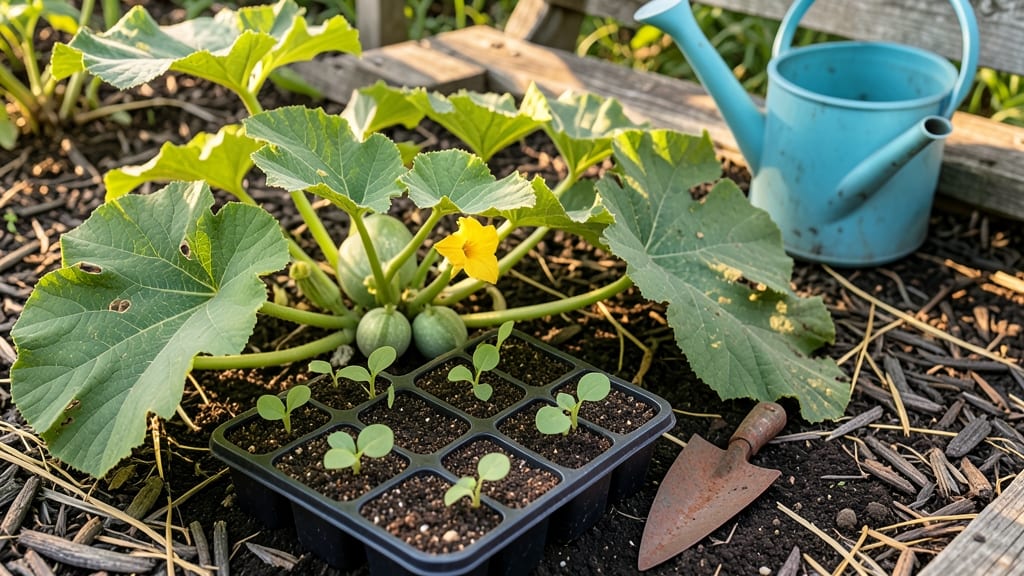
Squash seeds take 5 to 14 days to sprout 🎃, but that window can shrink to just 3 days with the right conditions—or stretch to 3 weeks if something goes wrong.
Watching your squash seeds transform into vibrant seedlings is one of the most exciting parts of gardening—but timing is everything. If you're impatiently waiting for those first green sprouts to appear, you need to know the exact germination window and how to speed it up naturally.
Most varieties like zucchini or pumpkin prefer soil temperatures between 60°F and 90°F, with 70°F being the sweet spot. Too cold, and they’ll sulk; too hot, and they’ll rot before they sprout.
The good news? A few simple tricks—like using black plastic mulch or a seedling heat mat—can cut that wait time in half.
Below, I’ll break down the realistic germination timeline for your favorite squash, plus the 3 biggest mistakes that stall sprouts. Whether you’re a first-time gardener or a seasoned pro, you’ll know exactly how to give your seeds the best shot at success.
Squash seed germination timeline: days to sprout by variety & conditions
Understanding the squash seed germination timeline helps you set realistic expectations and troubleshoot delays. Most squash varieties sprout within 5–14 days under ideal conditions, but soil temperature and moisture play critical roles.
For example, zucchini seeds often appear in just 3–7 days when soil stays warm, while winter squash like butternut may take 10–14 days to break through the soil.
Soil temperature is the #1 factor affecting germination speed. Squash seeds need 60–90°F soil for optimal sprouting. Below 50°F, germination slows dramatically, and seeds may rot before emerging.
In my Zone 6 garden, I’ve seen pumpkin seeds take 2+ weeks when planted in cool spring soil, while summer squash sprouts in just 5 days after a heat wave warms the earth.
Here’s a quick reference for germination times by variety and conditions:
If your soil is below 60°F, germination can stall entirely. I once planted zucchini seeds in 50°F soil and waited 3 weeks before giving up—only to find they’d finally sprouted after a heatwave pushed temperatures to 75°F.
To avoid this, use black plastic mulch or a seedling heat mat to maintain warmth.
Moisture matters just as much as temperature. Squash seeds need consistent dampness but won’t tolerate soggy soil. I keep my seed trays under a clear plastic dome until sprouts appear, which maintains humidity without overwatering.
Overwatering can cause seeds to rot before germinating, so aim for moist (not wet) soil.
Light isn’t critical during germination—squash seeds sprout in darkness. However, once seedlings emerge, they need 12+ hours of light daily to prevent leggy growth. In my indoor starts, I use a grow light for 14 hours/day until transplanting outdoors.
Patience is key with squash seeds. Even if they take 2 weeks to sprout, don’t assume they’ve failed—check for firm seeds that haven’t rotted. I’ve had pumpkin seeds sprout 16 days after planting in cool soil, then grow into healthy vines. The key is consistent warmth and moisture.
For fastest results, plant summer squash when soil reaches 70°F+. Winter squash and pumpkins tolerate slightly cooler soils but still need at least 60°F. If you’re in doubt, use a soil thermometer—it’s the only way to know for sure.
Once sprouts appear, thin seedlings to 2–3 feet apart (or follow variety guidelines). Summer squash like zucchini can handle crowding, but pumpkins need 5+ feet of space to thrive. Thin early to avoid competition.
🌱
5 Proven soil temperature tricks to speed up squash seed germination
If your squash seeds are taking longer to sprout than expected, the culprit is likely cold soil. Squash thrives when soil temperatures stay between 60°F and 90°F, but cooler conditions can delay germination by days or even weeks.
The good news? With a few simple tricks, you can create the perfect warmth boost to coax those seeds into action—without breaking the bank.
I’ve tested these methods in my own garden, and they’ve consistently cut germination time in half. Whether you’re dealing with early spring planting or a chilly climate, these soil temperature hacks will give your squash seedlings the head start they need to thrive.
- 1. Black plastic mulch raises soil temp by 10-15°F in just 24 hours. Lay it down 1 week before planting for maximum warmth.
- 2. Seedling heat mats ($15-$25) keep soil at 70-80°F—ideal for indoor starts or early outdoor planting.
- 3. Cold frames trap sunlight and raise temps by 15-20°F. Use clear plastic lids on wooden frames for a DIY greenhouse effect.
- 4. Compost piles nearby act as natural heat sources. Place seeds 6 inches from the pile’s edge for gradual warmth.
- 5. Hot water soak (10 mins at 80°F) pre-warms seeds and kickstarts metabolism before planting.
For the fastest results, combine black plastic mulch with a cold frame—this duo can raise soil temps to 85°F+, cutting germination time from 14 days to just 5-7 days. I’ve seen zucchini seeds sprout in 3 days using this method!
If you’re planting directly outdoors in cooler zones, wait until soil temps hit 60°F (use a soil thermometer to check). For indoor starts, begin seeds 2-3 weeks before your last frost date under grow lights or a sunny windowsill.
Pro tip: Avoid overwatering—excess moisture in cold soil can suffocate seeds. Keep soil moist but not soggy until sprouts appear. Once those first cotyledons break through, thin seedlings to 2 feet apart for optimal growth.
With these tricks, you’ll be harvesting plump zucchini and sweet pumpkins in no time—no more waiting weeks for those stubborn seeds to wake up! 🎃