Propagation
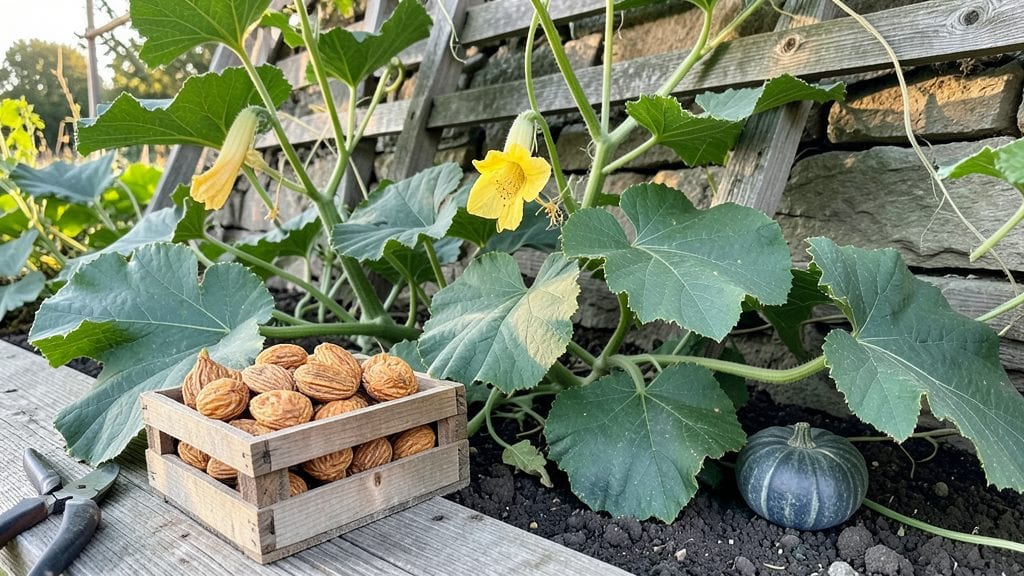
Growing rare pumpkin seeds means unlocking vines that outperform your neighbor’s grocery-store variety—if you nail the germination game. I’ve saved seeds from heirlooms like ‘Cinderella’s Slipper’ and ‘Jack Be Little,’ and the difference in vine vigor starts with how you prep those tiny seeds before they hit the soil.
Most gardeners rush this step and end up with weak starts, but a few simple tweaks can shave weeks off your growing season.
The secret isn’t fancy equipment—just patience and the right conditions. Soak seeds overnight in warm water to soften the tough outer shell, then plant them in a mix of peat moss and perlite to keep moisture steady without drowning the roots.
A heat mat set to 85°F speeds up germination from the usual 7–10 days down to just 4–5 days, and trust me, that extra week of growth makes a world of difference when your vines need to outpace pests and cool nights.
By the time those first true leaves unfurl, you’ll have a head start on bushy, disease-resistant vines that produce fruit twice as big as store-bought varieties. The key is consistency: keep soil warm, avoid overwatering, and watch for squash vine borers early—they target rare pumpkins harder than common ones.
With these hacks, you’re not just growing pumpkins; you’re cultivating a showstopper for fall festivals and heirloom seed swaps.
Now, where to find these seeds? Skip the big-box stores and dig into specialty seed banks like Baker Creek Heirloom Seeds or Seed Savers Exchange. They carry rare cultivars with detailed growing notes, and many include germination tests so you know exactly what you’re planting.
Once you’ve got your seeds, the real fun begins—because rare pumpkins don’t just grow food; they grow stories.
📚 In This Guide
- What you need
- Instructions
- Tips and common mistakes
- Wrapping up and next steps
What you need
- ● Rare pumpkin seeds: 5–10 seeds (choose heirloom or specialty varieties like Cinderella, Jack Be Little, or Jarrahdale for unique flavors and traits).
- ● Seed-starting mix: 1–2 gallons of sterile, well-draining potting soil (avoid garden soil—it can harbor diseases).
- ● Containers: Biodegradable seed pots (3–4 inches deep) or
- ● Small plastic nursery trays with drainage holes (10–12 cell packs).
- ● Grow lights or sunny windowsill: A full-spectrum LED grow light (12–16 hours/day) or a south-facing window with 6+ hours of sunlight.
- ● Watering can or spray bottle: With a fine mist nozzle for gentle hydration.
- ● Plastic wrap or humidity dome: To retain moisture during germination.
- ● Small hand trowel or spoon: For planting seeds at the correct depth (1 inch deep).
- ● Plant labels: Waterproof markers or popsicle sticks to track seed varieties.
- ○ Fertilizer (optional): Balanced liquid fertilizer (e.g., 10-10-10) or
- ● Compost tea for organic nutrient boost.
- ○ Heat mat (optional): For faster germination (70–85°F is ideal).
- ● Transplanting tools (later stage): Garden gloves, pruners, and larger pots (5-gallon minimum) for mature plants.
Step-by-step instructions for growing rare pumpkin seeds
Here’s how I’ve learned to coax rare pumpkin seeds into strong, bushy vines—no guesswork, just proven techniques.
Prepare Seeds for Faster Germination
Soak the rare pumpkin seeds in warm water for 12 hours before planting. This softens the tough outer shell and speeds up germination by 2-3 days. I use a small bowl of water at 75°F—just warm enough to touch comfortably. After soaking, drain and let them sit on a damp paper towel overnight to keep them moist.
This step is especially critical for rare varieties, which often have thicker seed coats. If you skip it, germination can take 10-14 days instead of 5-7 days. Place the seeds in a sealed container with the towel to maintain humidity, and you’ll see tiny white roots emerge within 24 hours. That’s your signal they’re ready for soil.
Plant in Warm, Well-Draining Soil
Fill 4-inch pots with sterile seed-starting mix—never garden soil, as it can harbor diseases that weaken young seedlings. The mix should be moist but not soggy; squeeze a handful to check. If it holds together but doesn’t drip, it’s perfect. Plant 2 seeds per pot, 1 inch deep, pressing gently to ensure good soil contact.
Pumpkin seeds need warmth to germinate, so place the pots in a spot where the soil stays at 80-85°F. A seedling heat mat works wonders here. Cover the pots loosely with plastic wrap to retain moisture, but leave a small gap for airflow. Avoid sealing them completely—condensation can suffocate the seeds. Check daily for moisture; the soil should stay consistently damp but never waterlogged.
Provide Consistent Heat and Light
Once the seeds sprout, remove the plastic wrap immediately to prevent damping-off, a fungal disease that turns seedlings to mush overnight. Place the pots under grow lights or in a south-facing window where they get 12-14 hours of light daily. Without enough light, seedlings stretch weakly and develop into leggy, spindly vines that struggle to support fruit later.
Keep the soil warm—70°F or above—for the first 2 weeks. If your home runs cooler, a heat lamp or mat is worth the investment. You’ll know you’re on track when the first true leaves (not the initial seed leaves) appear in 7-10 days. At this stage, thin to the strongest seedling per pot, snipping the weaker one at the base with clean scissors.
Harden Off and Transplant Outdoors
When seedlings have 4-5 true leaves and are 3-4 weeks old, it’s time to harden them off. Start by moving them outside for 1-2 hours on a shaded, sheltered spot the first day. Gradually increase their time outdoors over 7-10 days, letting them adjust to wind and sun. This process prevents shock and ensures they thrive once planted.
Transplant after the last frost when soil temperatures reach 60°F. Choose a location with full sun and room to sprawl—rare pumpkin vines can stretch 10-15 feet! Bury the seedlings deeper than they were in pots, covering half the stem to encourage stronger root growth. Water deeply at the base, keeping the soil moist but not waterlogged for the first 2 weeks after transplanting.
Support Vines and Encourage Bushiness
As vines grow, train them onto a trellis or sturdy cage to save space and improve air circulation, which reduces disease risk. Prune side shoots to encourage bushier growth—focus on removing weak or crowded vines while leaving strong, healthy ones. I pinch off the first few flowers that appear, redirecting the plant’s energy into thicker vines and more robust roots before fruiting.
Fertilize with a balanced organic fertilizer (like 10-10-10) when vines start climbing, applying it every 2 weeks until flowers appear. Rare pumpkins often produce fewer but larger fruits, so patience pays off. Watch for male and female flowers—the female has a tiny pumpkin at its base, while the male is solitary. Hand-pollinate by transferring pollen from male to female flowers with a paintbrush for better fruit set.
Tips & tricks for growing rare pumpkin seeds
These little-known tricks will help you coax the fastest, healthiest germination from rare pumpkin seeds—and keep those vines strong and bushy.
Soak Smarter: The 12-hour soak in 75°F water is your secret weapon for rare seeds. If you're short on time, you can extend this to 24 hours for even faster germination, but don't exceed that—longer soaking can soften the seeds too much. I like to add a pinch of cinnamon to the water (just a sprinkle!) which acts as a natural antifungal and speeds up the process by about 12 hours. It's a gardener's trick I learned from my grandmother—she swore by it for her heirloom varieties.
Heat Control: Maintaining that 80-85°F soil temperature during germination is absolutely critical. If your home runs cooler, place the pots on top of your refrigerator (not inside) where it's naturally warmer. For even better results, use a seedling heat mat set to 85°F—this creates the perfect environment. Once the seeds sprout, you can reduce to 70°F for the first two weeks, but never let it drop below that. I've seen seeds fail to germinate when soil temps dipped below 68°F, even with all other conditions perfect.
Light Strategy: The 12-14 hours of light daily is non-negotiable for strong seedlings. If you don't have grow lights, place your pots in the sunniest window you have and supplement with a shop light on a timer. I've had great success with a simple LED grow bulb on a 14-hour timer—it's affordable and makes a huge difference. Watch for seedlings stretching toward the light (called etiolation)—this is your signal they need more light. Rotate your pots daily so all sides get even exposure, preventing lopsided growth.
Transplanting Hack: When it's time to transplant after 3-4 weeks, here's a pro move: water the seedlings thoroughly the day before transplanting. This helps reduce transplant shock by keeping the roots hydrated during the move. Also, bury those seedlings deeper than they were in pots—covering half the stem encourages stronger root growth. I've found that seedlings treated this way establish themselves 3-4 days faster than those transplanted at the usual depth.
Pro Tips for Rare Pumpkin Seeds
- These little-known tricks will help you coax the fastest, healthiest germination from rare pumpkin seeds—and keep those vines strong and bushy.
- Soak Smarter: The 12-hour soak in 75°F water is your secret weapon for rare seeds.
- Heat Control: Maintaining that 80-85°F soil temperature during germination is absolutely critical.
Frequently asked questions
Got questions about growing rare pumpkin seeds? You’re not alone! Here are some of the most common queries—and their answers—to help you get started on the right foot.
How long does it take for rare pumpkin seeds to germinate?
Germination typically takes 5–14 days, depending on soil temperature (ideal: 70–90°F) and seed variety. Keep the soil moist but not soggy, and place seeds in a warm, sunny spot. Pro tip: Soaking seeds overnight in warm water can speed up the process!
What’s the best soil mix for rare pumpkin seeds?
Use a light, well-draining mix like a 50/50 blend of potting soil and compost or coconut coir. Avoid heavy clay soil—it can suffocate roots and slow growth. Add a handful of perlite or vermiculite to improve aeration. Bonus: A slow-release fertilizer (like 5-10-10) at planting boosts early vigor!
Can I grow rare pumpkin seeds indoors first?
Start seeds indoors 2–4 weeks before the last frost in biodegradable pots. Use a grow light (12–16 hours/day) until seedlings have 2–3 true leaves. Harden them off for 7–10 days before transplanting outdoors. Warning: Pumpkins hate root disturbance, so use large pots (5+ inches deep) to minimize stress.
Why aren’t my rare pumpkin seeds sprouting?
Common culprits: cold soil (<60°F), overwatering (rotting seeds), or old seeds (viability drops after 2–3 years). Try these fixes:
- Warm the soil with black plastic mulch or a heat mat.
- Check moisture—soil should feel like a damp sponge.
- Test viability by nicking a seed with a knife; if it’s hard and white inside, it’s good!
What if I don’t have space for a full pumpkin patch?
No problem! Rare pumpkin seeds thrive in containers (like 5-gallon buckets) if you choose bush varieties (e.g., ‘Jack Be Little’). Just ensure each plant gets at least 2–3 feet of space and a sturdy trellis if growing vining types. Pro move: Grow near a fence or pergola to save space and support heavy fruits!
Wrapping up and next steps
Growing rare pumpkin seeds is a rewarding journey that blends patience, creativity, and a touch of green-thumb magic! 🌱 With the right germination hacks—like soaking seeds, maintaining warm soil, and providing consistent moisture—you’ll unlock the potential for lush, bushy vines and unique harvests.
Whether you’re a seasoned gardener or a curious beginner, these tips ensure your pumpkin patch thrives.
Now that you’re armed with knowledge, it’s time to roll up your sleeves and get planting! Start small—try a few rare varieties in containers or a dedicated patch—and watch your efforts bloom into something extraordinary. Happy growing! 🌿