Vegetables
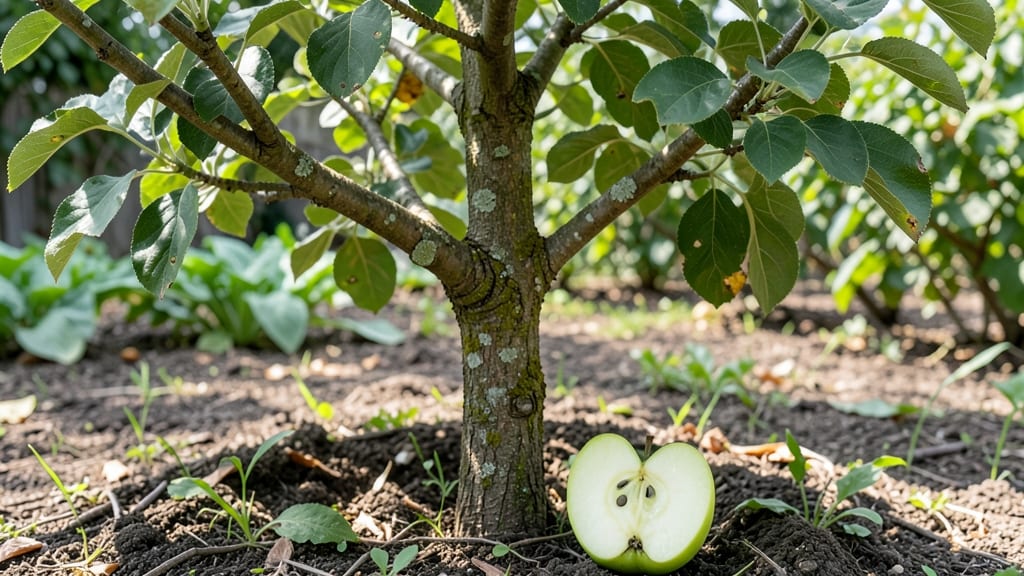
Growing green apple seeds into a tree is one of those magical gardening projects that feels like watching a tiny miracle unfold. ✨ I’ve tried it three times now, and each sprout still gives me that same rush of excitement—even though I know the odds aren’t perfect.
The trick to success starts with the right prep, and once you crack the stratification step, the rest becomes surprisingly straightforward.
You’ll need just a few supplies: a green apple (organic if possible), a damp paper towel, a plastic bag, and a sunny windowsill or greenhouse. The real secret? Mimicking winter’s chill by refrigerating the seeds for 6-8 weeks before planting.
This breaks their dormancy, and when you finally see those first pale green leaves push through the soil, it’s worth every week of waiting.
Expect your sapling to reach 12-18 inches in its first growing season, though fruit won’t appear for at least 5-7 years. The tree will likely produce hybrids—not identical to the original apple—but the journey is half the fun.
Plus, watching bees swarm around its blossoms in spring makes the long wait feel like a gift.
Fair warning: germination rates can be hit-or-miss, and some seeds may never sprout. But if you get even one strong seedling, you’ll have a living piece of your childhood (or a favorite orchard) growing in your yard. Here’s how to maximize your chances from seed to sapling.
📚 In This Guide
- What you need
- Instructions
- Tips and common mistakes
- Wrapping up and next steps
What you need
- ● Green apple seeds: 3–5 fresh, plump seeds (harvested from organic, non-hybrid apples for best results).
- ● Paper towels or coffee filters: 2–3 sheets (for germination).
- ● Plastic bag or airtight container: 1 (quart-sized works well).
- ● Spray bottle: 1 (with water, for gentle misting).
- ● Small pots or seed trays: 2–3 (4-inch diameter, with drainage holes).
- ● Well-draining potting mix: 1 bag (sterile, seed-starting blend preferred).
- ● Grow lights or sunny windowsill: Access to 6+ hours of indirect light daily.
- ○ Heat mat (optional): 1 (to maintain 70–75°F for faster germination).
- ● Seedling heat mat: Speeds up germination by 2–3 days.
- ● Humidity dome or plastic wrap: Keeps moisture high during early stages.
- ● Fertilizer (balanced, 10-10-10 or organic): For when seedlings sprout true leaves.
- ● Transplanting tools: Small trowel and tweezers for delicate handling.
- ● Label markers: To track seed varieties (especially if testing multiple apples!).
Step-by-Step instructions for growing green apple trees from seed
Turn those kitchen scraps into a future orchard with this simple, rewarding process.
🌱 Step 1: Extract and Prepare the Seeds
Cut the apple open and scoop out the seeds, then rinse them thoroughly under cool water to remove any fruit residue. I like to spread them on a paper towel to dry overnight—this prevents mold when we plant. Apple seeds have a hard outer shell that slows germination, so after drying, place them between two damp paper towels in a sealed plastic bag for 5-7 days. Check daily and keep the towels moist; you'll see tiny white roots (called radicles) emerge first.
This cold stratification mimics winter conditions and tricks seeds into thinking they've survived their first season. Don't skip this step—seeds left dry will take months or never sprout. Once roots are ¼ inch long, they're ready for planting.
🪴 Step 2: Plant in Individual Pots with Drainage
Fill 4-inch diameter pots with the sterile seed-starting mix (never garden soil—it's too dense). Press the mix down lightly so it's firm but not compacted. Plant each seed ½ inch deep, root-side down, in its own pot. I use small plastic cups with drainage holes punched in the bottom—cheap and effective. Water gently until moisture reaches the bottom, then let excess drain away completely.
Here's the thing—apple seeds grow slowly at first. Place pots in a warm spot (65-75°F) with bright, indirect light (no direct sun yet). Cover each pot loosely with plastic wrap to retain humidity, but remove it daily for 10 minutes to prevent mold. You'll see first sprouts in 2-4 weeks, but don't be impatient—some seeds take longer.
☀️ Step 3: Provide Gradual Sunlight and Care
Once seedlings appear, move them to a south-facing window or under grow lights for 14-16 hours daily. Apple trees need light to develop strong stems, but too much sun too soon causes scorching. Start with 2-3 hours of morning sun, then increase by 1 hour daily over 10 days. You'll know they're getting enough light when leaves are deep green and stems stay upright—not stretching toward the window.
Water when the top inch of soil feels dry—stick your finger in to check. Apple seedlings hate soggy roots but also can't handle drying out completely. I water from the bottom by placing pots in a tray of ½ inch of water for 10 minutes, then drain excess. Fertilize lightly with ½ teaspoon diluted fish emulsion every 4 weeks to encourage root growth.
✂️ Step 4: Prune and Harden Off for Outdoors
When seedlings reach 6 inches tall (after 8-12 weeks), it's time to prune. Use clean scissors to trim the top set of leaves, leaving 4-5 inches of stem. This encourages bushier growth and stronger roots. Pinch out any leggy stems that grow too tall too fast—those are light-starved plants. After pruning, reduce watering slightly to let the plant focus on root development.
Two weeks before your last frost date, begin hardening off. Place seedlings outside in partial shade for 1 hour daily, gradually increasing time to full sun exposure over 10 days. Watch for yellowing leaves—this means they're getting too much sun too fast. Once they tolerate 6+ hours of sun without wilting, they're ready for permanent outdoor planting in well-draining soil with full sun exposure.
Tips & tricks for growing green apple trees from seed
These practical insights will help you avoid common pitfalls and maximize your success with apple seed germination.
Cold Stratification Secret: The 5-7 day cold stratification in Step 1 is non-negotiable for apple seeds. I've tried planting them dry, and they either take forever or never sprout. Keep that plastic bag in a warm spot (around 75°F) and check daily—you'll see those tiny radicles emerge within 3-5 days. Once roots reach ¼ inch, they're ready for planting, but don't rush it.
Light Management: In Step 3, that gradual sun increase is crucial. I've seen seedlings get scorched when moved too quickly to full sun. Start with just 2-3 hours of morning sun and increase by 1 hour daily—this mimics natural spring conditions and builds their resilience. You'll know they're getting enough light when the leaves stay deep green and stems stay sturdy.
Pruning Technique: When you reach Step 4 and prune those 6-inch seedlings, focus on removing the top set of leaves rather than just trimming randomly. This encourages bushier growth at the base where new branches will form. I like to use clean scissors and make cuts just above a leaf node—this is where new growth will emerge.
Hardening Off Hack: The 1-hour daily hardening off period is your best defense against transplant shock. Start in partial shade and watch for yellowing leaves—they're telling you to slow down. I've found that increasing by 1 hour every 2-3 days (instead of daily) gives seedlings more time to adjust, especially in cooler climates.
Pro Tips for Green Apple Seeds
- These practical insights will help you avoid common pitfalls and maximize your success with apple seed germination.
- Cold Stratification Secret: The 5-7 day cold stratification in Step 1 is non-negotiable for apple seeds.
- Light Management: In Step 3, that gradual sun increase is crucial.
Frequently asked questions
Got questions about growing green apple seeds? You’re not alone!
Here are answers to the most common queries—from sprouting to sapling care—so you can tackle this project with confidence.
Can you grow an apple tree from a green apple seed?
Yes! Green apple seeds are just as viable as red or yellow ones—just let them dry for 1–2 weeks to break dormancy. Plant them in well-draining soil, and with patience (and a little luck), you’ll get a tree. Just know it may take years to bear fruit, and the apples won’t match the parent tree’s flavor or quality.
How long does it take for green apple seeds to sprout?
Germination can take 2–4 weeks (sometimes longer) if conditions are ideal: warm soil (70–80°F), consistent moisture, and indirect light. If you don’t see sprouts in 6 weeks, the seed may need a stratification trick—try chilling it in the fridge for 30 days before replanting.
Why are my green apple seeds rotting instead of sprouting?
Overwatering or poor drainage is usually the culprit. Use a mix of potting soil + perlite, and water only when the top inch feels dry. If mold appears, remove the seed, let it dry, and replant in fresh, sterile soil. Pro tip: A clear plastic bag over the pot (like a mini greenhouse) can speed up sprouting without drowning the seed!
What’s the best alternative if my seeds won’t grow?
If patience isn’t your strength, try grafting a scion (a young shoot) onto a rootstock from a nursery—or buy a dwarf apple tree (faster fruit, smaller space!). For a quick win, grow herbs or microgreens in the same pot while you wait for your apple seedling to emerge.
Do green apple seeds need sunlight or shade to sprout?
Seeds prefer indirect light (like a sunny windowsill with filtered sun) during germination. Once sprouted, move them to 6+ hours of direct sunlight daily. Too much heat? Rotate the pot occasionally for even growth. Bonus: A south-facing window or grow light works wonders!
Wrapping up and next steps
Growing green apple seeds into thriving saplings is a rewarding journey that blends patience with the joy of nurturing life! 🌱 Whether you’re a beginner or a seasoned gardener, these tiny seeds hold big potential—just give them the right conditions, and you’ll be amazed at what sprouts from your efforts. Now’s your chance to take the next step: gather your supplies, follow the steps, and watch your green apple tree grow right before your eyes!
Pro tip: 💡 Share your progress with fellow plant enthusiasts—join gardening forums or tag us on social media! Every seedling is a step toward a greener, more sustainable future.