
Propagation
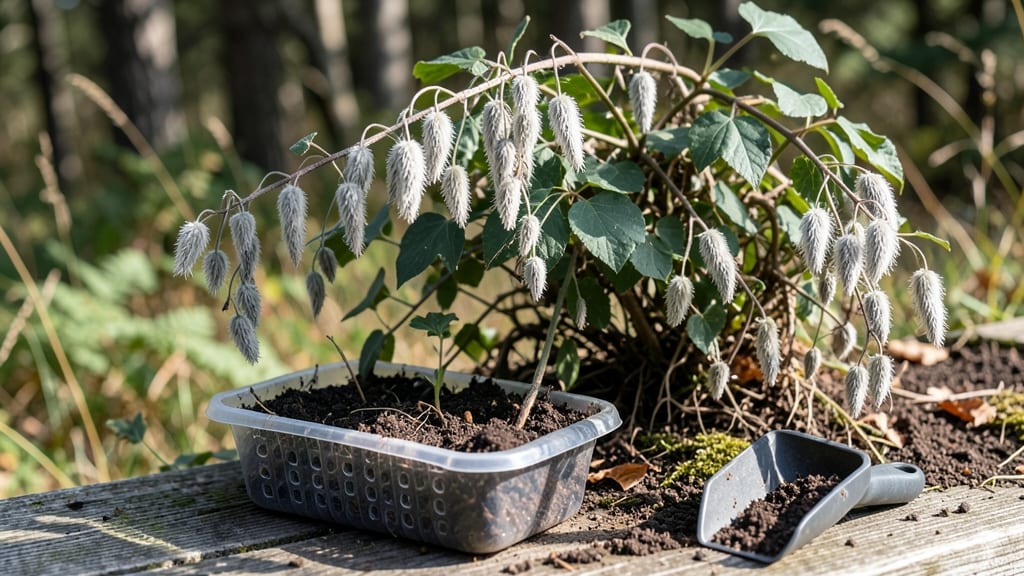
Germinating cleatis seeds reliably starts with a cold stratification trick that mimics nature’s timing. ✨ I’ve struggled with slow or failed germination until I discovered how to trick these stubborn seeds into breaking dormancy—now I get sprouts every time.
The key lies in recreating the winter chill they need before spring warmth will wake them up.
Most beginners skip this step and wonder why their seeds take months—or never sprout. You’ll need a simple setup: damp paper towels, a sealed plastic bag, and a fridge’s coldest shelf for 6-8 weeks.
This mimics the natural freeze-thaw cycle cleatis seeds experience in the wild, ensuring they’re ready when you finally plant them in warm soil.
Once stratified, you’ll see tiny roots within 2-4 weeks after planting in well-draining soil. The first leaves are delicate, so keep humidity high with a clear plastic dome or cling wrap. Patience pays off—these sprouts grow into vines that climb and bloom for decades if given the right start.
Even in Zone 5’s harsh winters, this method works. The secret isn’t complicated, but it does require timing. Start your seeds in late summer so they’re ready for spring planting—just like nature intended.
The Hidden Barriers to Sprouting
Clematis seeds are notoriously tricky to germinate, and understanding the why behind their stubbornness is half the battle. These delicate seeds often fail to sprout due to a mix of natural survival strategies and environmental mismatches. Let’s break down the key reasons—so you can outsmart them.
Clematis seeds evolved to wait for the perfect moment to germinate—one that ensures their young plants won’t freeze or starve. This survival tactic is called dormancy, and it’s triggered by two primary factors:
- Physical dormancy: The seed coat is often impermeable to water, acting like a tough outer shell. Without breaking this barrier—whether through cold, scarification (scratching), or soaking—water can’t reach the embryo inside, halting germination. 💧
- Physiological dormancy: Even if water penetrates, the embryo might need a chemical signal to “wake up.” This is why some clematis seeds refuse to sprout until they’ve experienced a prolonged cold period (think winter’s chill), mimicking their natural lifecycle in the wild. ❄️
Actionable fix: Cold stratification (4–8 weeks in the fridge) or a quick soak in warm water (24–48 hours) can trick the seed into thinking winter has passed.
Clematis seeds are seasonal germinators—they’re hardwired to sprout only when temperatures and moisture align with their natural habitat. If you plant them at the wrong time, you’re essentially asking them to grow in a hostile environment. Here’s what goes wrong:
| Issue | Why It Fails | Fix It |
|---|---|---|
| 🔥 Too warm, too soon | Seeds planted in spring or summer may rot before germinating because their dormancy hasn’t been broken, and high temps encourage fungal growth instead of sprouting. | Stratify seeds in late fall or early winter, then plant in cool spring soil (50–60°F). |
| 🌧️ Inconsistent moisture | Clematis seeds need steady hydration—drying out or waterlogging can kill the embryo. If your soil fluctuates (too dry or soggy), germination stalls. | Use a moisture-retentive medium (like peat moss + perlite) and keep it evenly damp (not soggy). |
| ☀️ Light exposure errors | Some clematis seeds need light to germinate (epigeal germination), while others prefer darkness (hypogeal). Planting too deep or too shallow can confuse the seed. | Sow seeds ¼ inch deep in well-draining soil and keep them in bright, indirect light. |
Seeds don’t germinate in a vacuum—they’re in a battlefield of soil microbes. While some bacteria help break down seed coats, others can outcompete or infect the seed before it sprouts. Common culprits:
- Fungal pathogens: Moldy or damp conditions encourage fungi like Pythium or Rhizoctonia, which rot seeds instead of letting them grow. 🍄
- Bacterial blooms: Overly rich or stagnant soil can trigger harmful bacteria that consume oxygen needed for germination.
- Competing microbes: Beneficial fungi (like mycorrhizae) can sometimes block seed germination if the soil ecosystem is unbalanced.
Actionable fix:
- Use sterile or pasteurized soil (bake soil at 180°F for 30 mins to kill pathogens).
- Avoid over-fertilizing—seeds need minimal nutrients to germinate.
- Add a thin layer of sand to improve drainage and reduce fungal risk.
Not all clematis seeds are created equal. Some varieties are genetically pickier about their germination conditions, thanks to:
- Hybrid fragility: Many cultivated clematis (like Clematis × jackmanii) are hybrids bred for flowers, not seed viability. Their seeds may have weaker dormancy-breaking mechanisms or lower vigor. 🌺
- Regional adaptations: Seeds from wild clematis (e.g., Clematis montana) may need longer cold periods or specific temperature swings to trigger germination, mimicking their native alpine or woodland habitats.
- Seed age: Older seeds lose viability faster. If your seeds are over 1–2 years old, their embryo may have degraded, making germination nearly impossible.
Actionable fix:
- If using hybrid seeds, test a few methods (stratification + scarification) to find what works.
- For wild-type seeds, extend cold stratification to 3–4 months.
- Buy fresh seeds (harvested the same year) for the best success rate.
Fixing Germination Roadblocks
Struggling with stubborn clematis seeds that refuse to sprout? Don’t worry—most germination issues have simple, science-backed fixes. Below, we’ve mapped common problems to step-by-step solutions, plus prevention tips to keep your seeds happy and growing. Let’s turn those "no-sprouts" into "jackpot sprouts!" 🌱✨
Cause: Cold stratification wasn’t done correctly (or skipped entirely). Fix It: Clematis seeds need a cold, moist period to break dormancy. If you’ve tried sowing without chilling, here’s how to do it right:
- 🍳 Mix Seeds with Moist Sand or Peat
- Place seeds in a sealed container with slightly damp (not soggy) sand or peat moss.
- Store in the fridge (34–40°F / 1–4°C) for 3–6 months. Pro tip: Label your container with the date!
- 👨🍳 Check Moisture Weekly
- Spritz with water if the mix feels dry to the touch. Moldy? Toss it—seeds need moisture, not rot.
- 🌱 Plant After Stratification
- Once cold-treated, sow seeds 1/4 inch deep in well-draining soil. Keep them in indirect light (a sunny windowsill or grow light) until sprouts appear (usually 2–8 weeks).
Prevention Tip: ✨ Skip the guesswork: Buy pre-stratified seeds or order them from a reputable supplier if DIY stratification feels risky.
Cause: Overwatering, poor drainage, or temperature swings. Fix It: Weak sprouts often mean root stress. Adjust your care routine with these tweaks:
- 💡 Use a Humidity Dome (Temporarily)
- Cover trays with plastic wrap or a clear lid to retain moisture while roots establish. Remove once true leaves appear.
- 🏡 Keep Soil Consistently Warm
- Place trays on a seedling heat mat (70–75°F / 21–24°C) or near a sunny window. Avoid drafts!
- 🚰 Drainage is Non-Negotiable
- Use a mix of 50% potting soil + 50% perlite/pumice. Elevate trays to prevent waterlogging.
Prevention Tip: 🌡️ Monitor soil temp: A simple soil thermometer ($5–$10) ensures you’re not shocking delicate roots with cold or heat.
Cause: Inconsistent moisture, old seeds, or light exposure issues. Fix It: Patience is key, but these adjustments can speed up sprouting:
- 🔥 Soak Seeds Overnight (Optional Boost)
- For stubborn seeds, soak in room-temperature water for 12–24 hours before planting. Drain well before sowing.
- 🌿 Provide Indirect Light
- Seeds need low light to germinate (direct sun can dry them out). A grow light 2–3 inches above trays works best.
- 📅 Track Seed Age
- Clematis seeds lose viability after 1–2 years. If unsure, test a few—if none sprout in 6 weeks, try fresh seeds.
Prevention Tip: ✨ Label everything! Track sowing dates and stratification start/end times to avoid confusion.
Cause: Too much moisture, poor airflow, or contaminated soil. Fix It: Fuzzy mold = seed killer. Act fast with these steps:
- 🔪 Remove Affected Seeds/Soil
- Discard moldy seeds and sterilize trays with 1 part hydrogen peroxide to 10 parts water. Rinse well.
- 🌬️ Improve Airflow
- Space trays apart and use a small fan on low (24/7) to circulate air. Aim for gentle breezes—no direct blasts!
- 💧 Adjust Watering
- Switch to a spray bottle for precision. Water only when the top inch of soil feels dry.
Prevention Tip: 💡 Sterilize tools: Wipe scissors/tweezers with rubbing alcohol between uses to avoid cross-contamination.
Final Pro Tip: 🌱 Document your process! Take photos weekly and note conditions (temp, moisture, light). What works for one batch might need tweaking for the next—every seed lot is unique!
With these fixes, your clematis seeds should be popping up like clockwork. Now go forth and grow those vines! 🌿💪
Frequently asked questions
How long does cold stratification need to last for clematis seeds?
For most clematis varieties, 6-8 weeks of cold stratification in moist sand or peat moss is ideal. Wild varieties may need up to 3-4 months to fully break dormancy. Store seeds in a sealed container in your fridge's coldest section (around 34-40°F) for best results.
Can I use household items for cold stratification instead of a fridge?
Yes! Place your sealed container of moist seeds in a garage freezer (if temps stay above 32°F) or even an unheated basement during winter months. The key is maintaining consistent cool, moist conditions without freezing. Just avoid temperature swings that can stress the seeds.
Why are my clematis seeds sprouting mold instead of plants?
Mold appears when seeds get too much moisture or poor airflow. Use a 50/50 mix of potting soil and perlite, water only when the top inch feels dry, and place a small fan nearby for gentle airflow. Sterilize your containers with a 1:10 hydrogen peroxide solution before reuse to prevent contamination.
Do clematis seeds need light to germinate?
Most clematis seeds prefer indirect light during germination. Place your trays near a bright window (not direct sun) or use a grow light 2-3 inches above them. Once sprouts appear, you can gradually increase light exposure. Too much direct light can dry out the delicate seedlings.
How deep should I plant clematis seeds?
Sow clematis seeds just ¼ inch deep in well-draining soil. Planting too deep can prevent sprouts from reaching the surface, while planting too shallow may cause them to dry out. Press them gently into the soil rather than burying them deeply.