
Plants
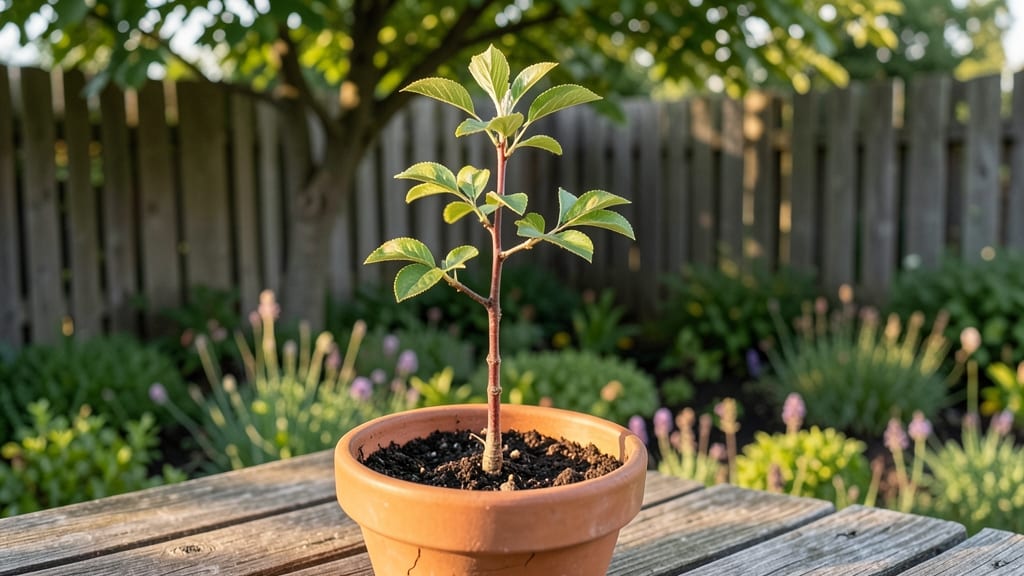
What does an apple seedling look like at first—just two tiny, rounded leaves called cotyledons, smooth-edged and pale green, like a baby blanket for the plant? 🌱 Within weeks, those give way to real leaves: jagged, saw-toothed edges and a deeper green, almost like a miniature maple leaf but with a softer look.
You’ll spot the white, hair-like roots poking through the soil if you plant it in clear containers—those roots are delicate and grow fast.
Compare it to maple or oak seedlings: apple leaves are more rounded at the base, while maple leaves have deeper lobes that look like tiny hands with fingers.
The first true leaves appear when the seedling is about 2–3 inches tall, and by then, you’ll notice the classic apple tree shape starting to form. That’s when you know you’re growing something special—not just any sprout, but the start of a future fruit tree.
Confusion often comes from mixing up seedlings with saplings or even weeds. Apple seedlings stay low to the ground at first, while saplings shoot up quickly. Keep an eye on those leaves—they’re your best clue before any fruit appears.
Behind the Tiny Seedling’s Growth
Apple seedlings sprout from seeds with a mix of genetic precision and environmental luck. Understanding why they grow the way they do—from their first tiny leaves to their delicate roots—helps gardeners nurture them effectively. Here’s a breakdown of the key factors at play:
The first clue to an apple seedling’s appearance lies in its genetic blueprint. Unlike grafted apple trees, seedlings grown from seeds are the result of sexual reproduction, meaning they inherit a random mix of traits from two parent trees. This genetic lottery explains why:
- Leaf shape and size vary widely: A seed from a Granny Smith apple may produce a seedling with serrated, dark green leaves, while one from a Honeycrisp could yield softer, lighter foliage. No two seedlings are identical—even from the same fruit!
- Root structure differs: Some seedlings develop taproots (a single thick root), while others grow fibrous roots (a network of thin strands). This affects how they absorb water and nutrients early on.
- Dormancy patterns emerge: Apple seeds carry internal inhibitors that delay germination until conditions are ideal. This is why some seeds sprout in weeks, while others wait months—nature’s way of timing growth with the best soil warmth and moisture.
💡 Pro Tip: If you’re growing seedlings for fruit, be patient! It can take 5–10 years for a seedling to bear fruit—and even then, it may not resemble the parent apple due to genetic variability. For consistent varieties, grafting is the way to go.
An apple seed won’t just “decide” to sprout—it needs the right external cuesg> to break dormancy and kickstart growth. The two biggest players here are:
| Factor | How It Works | What Happens If It’s Wrong? |
|---|---|---|
| Temperature (🌡️) | Seeds require a period of cold stratification (40–50°F for 4–8 weeks) to mimic winter conditions. This breaks down growth-inhibiting chemicals inside the seed. Once stratified, they need warmth (60–75°F) to germinate. | Seeds planted too early (without cold treatment) may rot. If too warm too soon, they can dry out before sprouting. |
| Moisture (💧) | Seeds need consistent moisture (not soggy!) to activate enzymes that trigger cell division. Too little = dormancy; too much = suffocation. | Overwatering leads to fungal rot; underwatering causes seeds to shrivel and fail to germinate. |
| Oxygen (🌬️) | Seeds respire (breathe!) to fuel germination. Compacted or waterlogged soil cuts off oxygen, stalling growth. | Seeds may sprout weak or deformed roots if oxygen is limited. |
✨ Actionable Fix: For best results, stratify seeds in a damp paper towel in the fridge for 6 weeks before planting. Use a well-draining seed-starting mix (like peat-based or coconut coir) to balance moisture and airflow.
Once a seedling breaks through the soil, its first priority is photosynthesis—but too much or too little light can drastically alter its appearance:
- Weak or leggy seedlings (🌱➡️🟨): In low light, seedlings stretch toward any available sunlight, producing long, thin stems and pale, yellowish leaves. This is a survival tactic, but it weakens the plant.
- Stunted growth (🌱➡️🟩): Too much direct sun (especially in hot climates) can scorch delicate seedling leaves, causing them to curl or brown. Young leaves lack the protective wax coating of mature trees.
- Uneven leaf patterns: Seedlings exposed to variable light (e.g., shifting shade) may develop leaves with irregular shapes or colors as they adjust their chlorophyll production.
🔥 Best Practice: Place seedlings under 12–16 hours of indirect light daily (a sunny windowsill or grow lights work well). If outdoors, use shade cloth (30–50%) until they’re 4–6 inches tall.
By understanding these three core drivers—genetics, environment, and light—you’ll spot why your apple seedling looks the way it does and how to guide its growth toward a healthy start. 🍏🌱
Identifying & Fixing Apple Seedling Issues
Got an apple seedling that isn’t quite matching your expectations? Whether it’s slow growth, odd leaf shapes, or mysterious wilting, these practical fixes will help you nurture a healthy young tree. Below, we’ll tackle common problems with step-by-step solutions and prevention tips to keep your seedling thriving.
Fix: Your seedling may need better care to unlock its potential.
- 🔥 Boost Light Exposure Apple seedlings crave 6–8 hours of sunlight daily. If indoors, place near a south-facing window or use a grow light (LED or fluorescent) 12 inches above the plant for 14–16 hours/day.
- 🍳 Upgrade the Soil Mix Use a well-draining potting mix (50% peat moss, 30% perlite, 20% compost). Avoid heavy clay soil, which can suffocate roots. Repot if the soil feels compacted.
- 👨🍳 Fertilize Lightly Wait 4–6 weeks after sprouting before applying a balanced, water-soluble fertilizer (10-10-10 or 5-5-5). Dilute to half-strength to avoid burning tender roots.
💡 Prevention Tip:
- Rotate pots weekly to ensure even light exposure.
- Avoid overwatering—stagnant moisture leads to root rot.
Fix: Nutrient deficiencies or pests are likely culprits.
- 🌡️ Check for Overwatering or Underwatering
- Yellowing leaves? Reduce watering; let the top 1–2 inches of soil dry out between waterings.
- Brown, crispy edges? Increase humidity with a pebble tray or mist leaves lightly.
- 🎯 Test for Nutrient Deficiencies
- Pale yellow leaves? Lack of nitrogen—add a compost tea or banana peel infusion.
- Purple stems/leaves? Needs phosphorus—use a bone meal fertilizer.
- Spotty leaves? Magnesium deficiency—sprinkle Epsom salt (1 tsp/gallon of water) monthly.
- 🔪 Inspect for Pests
- Aphids or mites? Spray with neem oil (1 tbsp per quart of water) or rinse with soapy water.
- Slugs/snails? Set up beer traps (bury a shallow dish filled with beer near the plant).
💡 Prevention Tip:
- Quarantine new plants for 2 weeks to prevent pest spread.
- Use mulch (straw or wood chips) to retain moisture and deter pests.
Fix: Root stress or disease may be the issue.
- 💦 Rehydrate Properly
- Soak the pot in room-temperature water for 15–20 minutes, then drain. Avoid cold water, which shocks roots.
- Bottom-watering (placing the pot in a tray of water) encourages deep root growth.
- 🏥 Treat Fungal Issues
- Black spots or mold? Remove affected leaves and treat with copper fungicide or a baking soda spray (1 tsp baking soda + 1 quart water + drop of dish soap).
- Soft, mushy stems? Root rot—trim blackened roots with sterilized scissors, repot in fresh soil, and reduce watering.
- ⏰ Adjust Watering Schedule
- Water early in the day to allow foliage to dry before nightfall (prevents fungal growth).
- Use a moisture meter to check soil levels—aim for 40–60% moisture.
💡 Prevention Tip:
- Sterilize tools with rubbing alcohol before pruning.
- Space seedlings for airflow (prevents humidity-related diseases).
Fix: Genetic quirks, stress, or environmental factors.
- 🌡️ Rule Out Temperature Stress
- Apple seedlings dislike extremes—keep temps between 60–75°F (15–24°C). Use a heat mat in winter or shade cloth in summer.
- 🍎 Compare to Healthy Reference
- Healthy apple seedlings have:
- Small, serrated leaves (1–3 inches long).
- White, fibrous roots (not black or slimy).
- If leaves are lobed like oak or deeply veined, it may be a different species—no fix needed, just enjoy the variety!
- Healthy apple seedlings have:
- 🎯 Adjust Light Gradually
- Sudden bright light can cause bleached or scorched leaves. Acclimate seedlings to sunlight over 1–2 weeks.
💡 Prevention Tip:
- Label seedlings with the apple variety (e.g., Granny Smith, Honeycrisp) to track traits.
- Rotate pots weekly for even growth.
Fix: If your seed hasn’t sprouted yet, try these foolproof methods.
- 🔥 Stratify the Seed (Cold Treatment)
- Place the seed in a damp paper towel, seal in a plastic bag, and refrigerate for 4–8 weeks. This mimics winter and breaks dormancy.
- 🍳 Use a Heating Mat
- Keep soil at 70–80°F (21–27°C) for faster germination. A seedling heat mat works wonders.
- 👨🍳 Try the "Sandwich Method"
- Place the seed between two damp paper towels, then in a ziplock bag with a tiny air hole. Keep in a warm, dark place until sprouted (usually 10–30 days).
💡 Prevention Tip:
- Test seed viability by filling a glass with water—sinkers are good, floaters are duds.
- Plant 2–3 seeds per pot in case one fails to sprout.
Final Pro Tip: 🌟 Keep a growth journal! Note watering, light, and fertilizer dates to spot patterns. Happy growing—your apple tree’s future starts with these small fixes!
Frequently asked questions about apple seedlings
How can I tell if my tiny sprout is actually an apple seedling?
Look for the classic two rounded cotyledons (seed leaves) first—they’re smooth-edged and pale green. Within weeks, true leaves appear with jagged, saw-toothed edges and a deeper green color. Compare it to maple seedlings: apple leaves have a more rounded base, while maple leaves have deeper lobes.
Why do some apple seedlings have different leaf shapes?
Apple seeds are genetically unpredictable! Each seedling inherits random traits from two parent trees, so leaves may vary in shape, size, and color. A seed from a Granny Smith might produce dark green, serrated leaves, while Honeycrisp seeds could yield softer, lighter foliage. This is why seedlings rarely match the parent fruit.
Can I grow an apple tree from any apple I buy at the store?
Technically yes, but store-bought apples are often treated to prevent sprouting. For best results, use organic, untreated apples from local orchards. Even then, seedlings may not produce fruit for 5–10 years—and it won’t necessarily resemble the parent apple due to genetic variability.
How do I know if my seedling is healthy or struggling?
Healthy seedlings have bright green, serrated leaves and white, fibrous roots. Watch for red flags: yellowing leaves (overwatering), brown edges (low humidity), or stunted growth (poor light). If leaves look lobed like oak or deeply veined, it might be a different species—not a problem, just a fun surprise!
How long does it take for an apple seedling to show true leaves?
True leaves (not the initial cotyledons) usually appear when the seedling reaches 2–3 inches tall, which typically takes 3–6 weeks under ideal conditions. If you’re using cold-stratified seeds in warm soil, you might see them even faster. Patience is key—seedlings grow slowly at first!