
Vegetables
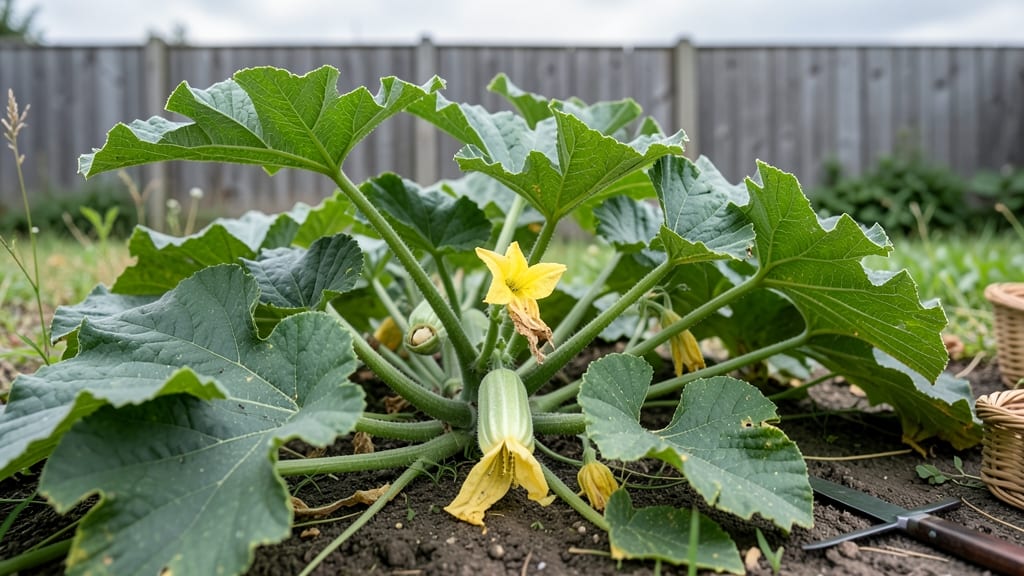
Edible green seeds are nutrient-rich when harvested at the right stage, offering a fresh, crunchy texture and high levels of enzymes, vitamins, and minerals. Always confirm edibility before consuming, as some seeds require proper preparation to remove toxins like cyanide or lectins.
Many gardeners and foragers overlook these tiny powerhouses, but edible green seeds like sunflower, pumpkin, or okra can transform meals into nutrient-dense experiences. 🌱 The key lies in timing—harvesting when pods are firm but seeds still vibrant ensures maximum flavor and nutritional value.
For example, sunflower seeds turn bitter if left too long on the stalk, while pumpkin seeds develop their signature nuttiness when fully mature but still green. Beyond taste, these seeds pack protein, healthy fats, and antioxidants that support everything from skin health to immune function.
That said, not all green seeds are safe to eat raw. Some, like those from the castor bean plant, contain deadly toxins that require specialized processing. Always cross-reference with reliable sources or consult local foraging guides before adding any new seeds to your diet.
When in doubt, a quick taste test on a tiny amount can reveal whether a seed is safe or needs further preparation.
💡 In This Article
- When and How to Harvest Edible Green Seeds Safely
- Best Storage Methods for Preserving Green Seed Freshness
When and how to harvest edible green seeds safely
The perfect moment to harvest green seeds depends on the plant species, but the general rule is to pick when the pods are firm yet still tender.
For sunflower seeds, for instance, the back of the seed head should turn yellow while the seeds remain green and plump inside. 🌻 This stage typically occurs about 45-60 days after planting, when the seeds are 20-25% moisture content—ideal for retaining their fresh, crunchy texture.
Overripe seeds lose moisture and develop bitter flavors, while underripe seeds may lack full nutritional potential, particularly in protein and healthy fats.
Visual cues are your best friends here. Look for pods that are slightly glossy rather than dull, indicating they haven't dried out yet. The seed color should be vibrant green, not yellowing or brownish.
For example, pumpkin seeds are best harvested when the rind is hard but the seeds inside remain greenish-white. 🎃 A firm tap on the pod should produce a hollow sound, signaling the seeds are ready.
Contamination risks increase if you harvest from plants treated with pesticides, so always wash pods thoroughly with food-grade hydrogen peroxide (3%) or a vinegar solution before processing.
Proper harvesting technique prevents damage that could introduce bacteria or mold. Use clean, sharp scissors or pruning shears to cut the pods from the stem, leaving a small portion attached to avoid bruising.
For large quantities, wear gloves to protect your hands from potential skin irritants found in some seed pods. 🌿 Remove any damaged or discolored pods immediately, as these can harbor mold spores.
Once harvested, spread the pods on a clean towel in a well-ventilated area for 2-3 hours to air-dry slightly before processing—this reduces moisture content and extends shelf life.
Some seeds require special preparation to remove toxins. For example, raw castor beans contain ricin, a deadly poison, but their shells can be processed to yield edible oil. 🚨 Never consume seeds from unknown plants without proper identification.
Even common garden varieties like okra seeds should be cooked to break down any residual lectins. The key is understanding each plant's unique biology: some seeds, like those from the okra pod, are safe to eat when fully green, while others need to mature further before becoming edible.
Temperature and humidity play critical roles in seed safety. Harvest during the coolest part of the day to prevent wilting, and store pods in a dry, shaded area until ready to process. High humidity accelerates mold growth, so avoid damp conditions.
For seeds like sunflower, which are often eaten raw, ensure they're completely dry before storage—moisture levels above 10% can lead to spoilage. 💧 This careful handling preserves not just safety but also the seeds' nutritional integrity, maintaining their enzyme activity and vitamin content.
Here's what to watch for when assessing seed pods:
- Color: Bright, uniform green indicates freshness; yellowing or brown spots signal decay
- Texture: Firm but yielding pods are ideal; overly hard pods may contain dried, bitter seeds
- Sound: A hollow tap means seeds are mature; a dull thud suggests they're still developing
- Smell: Fresh pods have a clean, vegetal aroma; sour or musty odors indicate spoilage
These cues help you determine whether a seed is ready to eat or needs further preparation. 🌱