Lawn
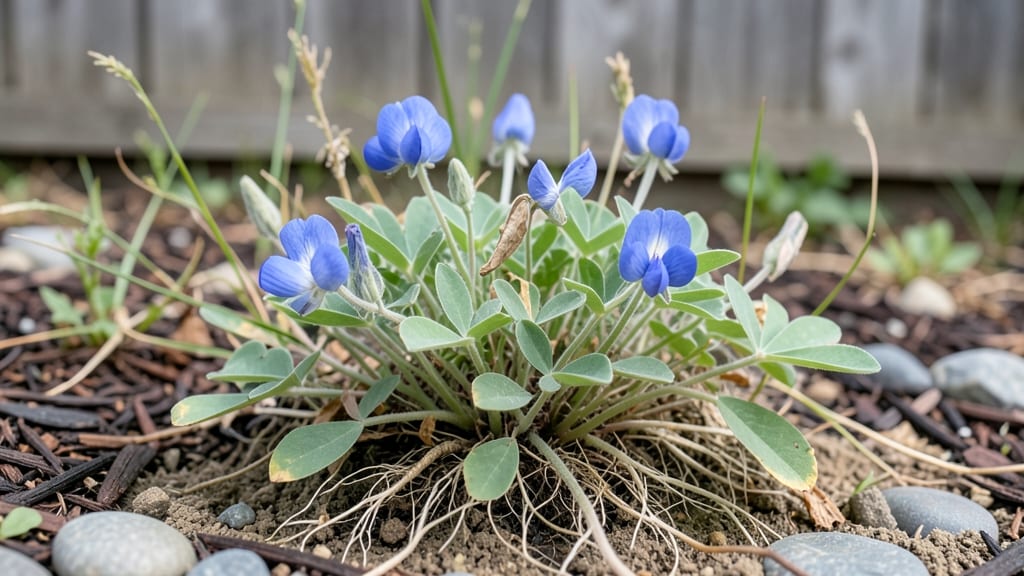
Dried seed pods are hardened plant structures that form after fertilization, encasing seeds for protection and dispersal. Their texture, color, and structure reveal critical clues about plant maturity, health, and seed viability—key indicators for gardeners and botanists alike.
These hardened capsules aren't just protective shells—they're nature's way of preserving the next generation of plants. 🌱 When you spot them drying on stems, you're witnessing the final stage of a plant's reproductive cycle, where seeds mature under controlled conditions.
The way they split open or stay closed can tell you whether your plants are thriving or struggling, making them silent sentinels of garden health.
For example, a pea pod that stays green and firm signals healthy seeds inside, while a brown, shriveled pod might mean the plant didn't get enough water or nutrients during flowering. This visual language helps gardeners predict harvest times and troubleshoot problems before they spread.
💡 In This Article
- How Seed Pods Develop and Their Role in Plant Reproduction
- Diagnosing Plant Health Through Seed Pod Inspection
How seed pods develop and their role in plant reproduction
The journey of a seed pod begins with pollination, where pollen grains transfer from male to female flower parts. Once fertilization occurs, the ovary begins transforming into a pod through a process called fruit development, driven by plant hormones.
Ethylene, a gaseous hormone, plays a starring role here—it signals the pod to mature and harden, while auxin regulates cell growth. This hormonal dance typically takes 4-8 weeks depending on the plant species, with legumes like peas maturing faster than grasses.
Environmental factors dramatically shape this process. Light exposure of 12-16 hours daily ensures proper photosynthesis for pod energy needs, while temperature fluctuations between 60-85°F optimize enzyme activity. Too much heat or drought triggers early pod dehydration, while excess moisture can cause rot.
For instance, tomato pods need consistent 70-75°F days to develop properly—any cooler, and they'll stay green indefinitely. Water stress during this phase often results in aborted pods that never fill out.
Pod structures vary wildly across plant families. Legumes like peas and beans develop dehiscent pods that split open along seams when dry, while grasses produce indehiscent pods that stay closed. The pea pod's characteristic "zipper" opening is a two-valved carpel designed to protect seeds until conditions are perfect for germination.
In contrast, sunflower seed heads are actually composite fruits where each tiny pod (achene) stays attached to the central disk, creating that familiar puffball appearance when mature.
Here's what's actually happening at the cellular level: As seeds mature, they produce abscisic acid, which triggers pod hardening by increasing lignin production in cell walls. This toughening process creates the familiar papery or leathery texture we associate with dried pods.
The timing of this hardening varies—some pods like okra remain tender until the last moment, while others like poppies develop their papery texture weeks before seed maturity. This variation explains why some pods feel velvety-smooth while others have rough, fibrous surfaces.
What most people don't realize is how pod development reflects the plant's overall health. A pod's color shift from green to brown indicates chlorophyll breakdown and sugar conversion to starches—a sign seeds are ready for harvest.
However, premature color changes (like white or gray pods) often signal fungal infections or nutrient deficiencies. The pod's size consistency also matters: uniform pods suggest stable growing conditions, while irregular pods may indicate environmental stress during flowering.
Consider these key factors when observing pod development in your garden:
- Pod wall thickness: Thin walls (0.5mm) in legumes indicate tender pods, while thick walls (2mm+) in grasses protect against seed predators
- Opening mechanism: Pods that explode when dry (like touch-me-nots) use 10x internal pressure to disperse seeds
- Surface texture: Prickly pods (like cacti) deter animals, while smooth pods (like tomatoes) rely on wind dispersal
The science behind these variations reveals nature's brilliant adaptations. For example, the 180° hinge mechanism in pea pods creates enough force to eject seeds up to 13 feet away—a perfect distance for avoiding parent plant competition.
This engineering marvel explains why some pods feel springy when dry, while others remain completely rigid until seed maturity. 🌱