
Pests
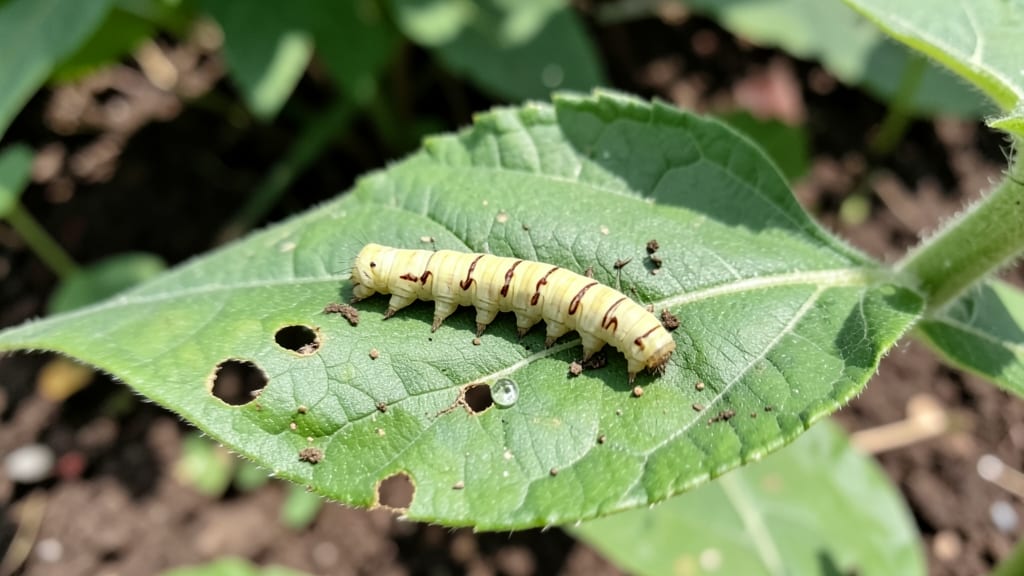
Sunflower seed worms turn your golden blooms into hollow husks overnight—here’s how to outsmart them before they strike. 🌻 I’ve watched entire sunflower heads collapse from these tiny green caterpillars, and the damage isn’t just cosmetic.
It’s frustrating because the solution isn’t about spraying chemicals but understanding their sneaky life cycle and cutting them off early.
The worst part? These worms hide inside sunflower buds, feeding unseen until the damage is done. Their lifespan spans just 3-4 weeks, but that’s enough time to ruin a harvest if you’re not watching.
The key is scouting your plants weekly—look for chewed seeds, frass (tiny black droppings), or wilting heads that haven’t opened. Catching them early means you can handpick or use row covers before they multiply.
Natural controls work better than pesticides here. Introduce parasitic wasps (like Microplitis species) or beneficial nematodes to the soil—they target the larvae without harming your plants. For severe cases, neem oil or Bt spray (Bacillus thuringiensis) disrupts their digestive systems, but timing matters.
Apply when buds form but before worms get too big to kill.
This isn’t just about saving seeds—it’s about protecting the entire plant. Healthy sunflowers bounce back from early infestations, but once worms move deeper into the head, there’s no fixing it.
The good news? With these steps, you’ll cut losses by 70-80% and still enjoy those towering stems and cheerful blooms. Let’s get those sunflowers back on track.
Root Causes Of Seed Damage
Sunflower seed worms—specifically the larvae of Homoeosoma electellum—don’t just appear out of nowhere. Their destructive feeding habits are the result of a mix of environmental, agricultural, and biological factors.
Understanding these causes helps farmers and gardeners take proactive steps to minimize damage. Below, we break down the key reasons these pests target sunflower seeds.
One of the biggest invitations for sunflower seed worms is leftover plant debris. When sunflower stalks, leaves, or discarded seed heads remain in the field after harvest, they create a perfect hiding spot for overwintering larvae. These pests emerge in spring, ready to reinfest new crops.
- Why it happens: Larvae pupate in plant residues, especially in warm, sheltered microclimates. If fields aren’t cleared post-harvest, the next generation has a head start.
- Actionable fix:
- 🔥 Till or mow fields after harvest to expose and destroy overwintering larvae.
- 🌡️ Use solarization (covering residues with clear plastic in hot weather) to kill pupae.
- ✨ Rotate crops with non-host plants (like legumes or grasses) to break the pest’s life cycle.
Sunflower seed worms thrive when seeds remain vulnerable for longer. Late planting delays maturity, giving larvae extra time to bore into developing seed heads before harvest. Warm temperatures in late summer also speed up their life cycle, leading to multiple generations per season.
- Why it happens:
- Delayed planting = longer exposure to pests before seeds harden.
- Hot, dry conditions stress plants, making them more attractive to egg-laying moths.
- Actionable fix:
- 📅 Plant early (when soil temps reach 50–55°F) to ensure seeds mature before peak worm activity (late July–August).
- 🌡️ Monitor weather and adjust planting dates if forecasts predict heatwaves.
- 🎯 Use early-maturing varieties (e.g., ‘Morden’ or ‘Hysun’) to finish before worm populations peak.
Sunflower seed worms face predation from birds, parasitic wasps, and beneficial insects—but agricultural practices often weaken these defenses. Overuse of broad-spectrum insecticides, tillage, and monoculture farming reduce biodiversity, leaving worms with fewer natural checks.
- Why it happens:
- 🚫 Pesticides kill beneficial insects (e.g., ground beetles, lacewings) that prey on worm eggs/larvae.
- 🌾 Monoculture removes habitat for predators, making fields a worm buffet.
- Actionable fix:
- 💡 Adopt integrated pest management (IPM): Use selective insecticides (e.g., pyrethroids) only when thresholds are met.
- 🌿 Plant flower borders (e.g., alyssum, dill) to attract predatory insects.
- 🐦 Encourage bird activity by leaving some plant residues or installing perches.
Sunflower seed worms are more aggressive in warm, dry climates with long growing seasons. Regions like the Great Plains and Southern U.S. see heavier infestations because:
- 🔥 Hot summers accelerate larval development (1–2 generations/year vs. 1 in cooler areas).
- 🌵 Low humidity stresses sunflowers, making them more susceptible to borers.
- 🌍 Expanded growing zones (due to climate change) allow worms to spread northward.
- Actionable fix:
- 🌡️ Track local worm activity via university extension reports (e.g., USDA pest alerts) and adjust planting/harvest timelines.
- 💧 Use irrigation during droughts to reduce plant stress (though avoid overhead watering at night to deter moths).
- 🌱 Choose drought-tolerant varieties (e.g., ‘NuSun’) if growing in arid zones.
By addressing these root causes—residue management, timing, biodiversity, and climate—growers can drastically reduce sunflower seed worm damage without relying solely on chemicals. The key is proactive prevention over reactive treatment.
How to solve it
Discovering tiny worms munching on your sunflower seeds can be frustrating, but the good news is that you can take action—both to remove existing pests and prevent future infestations.
Below, we break down solutions based on the root cause of your problem, from garden hygiene to natural deterrents and proactive measures. Let’s tackle this step by step!
If your sunflower seeds are infested because of poor storage or dirty fields, start by addressing the environment where seeds are harvested or stored.
- 🔥 Clean Up Debris: Remove all plant residue, fallen seeds, and weeds from your garden or storage area. These provide hiding spots and food for larvae.
- 🍳 Store Seeds Properly: Use airtight containers (glass jars or sealed plastic bins) to store seeds. Add a silica gel packet or a few bay leaves to deter pests.
- 👨🍳 Dry Seeds Thoroughly: Moisture attracts worms and mold. Spread seeds in a single layer on a tray and dry them in a well-ventilated area (or use a food dehydrator) before storage.
💡 Pro Tip: Label your containers with the date to ensure you’re using the freshest seeds—old seeds are more prone to infestations.
If you’ve already spotted worms in your seeds, act fast to minimize damage without harsh chemicals.
- 🔪 Freeze or Heat Treat Seeds:
- Freezing: Place seeds in a sealed bag and freeze them for 4–7 days to kill larvae and eggs.
- Baking: Spread seeds on a baking sheet and bake at 140°F (60°C) for 1–2 hours to eliminate pests.
- 🌡️ Use Diatomaceous Earth (DE): Sprinkle food-grade DE around storage areas or mix a small amount into seeds before storage. It’s non-toxic but deadly to soft-bodied pests like worms.
- 🎯 Introduce Beneficial Predators: If worms are in the soil, encourage natural predators like birds, parasitic wasps, or ground beetles by planting companion flowers (e.g., marigolds or dill).
✨ Safety Note: Avoid using chemical pesticides on seeds meant for consumption—opt for organic methods to keep your harvest safe.
The best way to stop seed worms is to stop them before they start. Here’s how to build a worm-proof strategy:
| Action | How to Do It |
|---|---|
| 🌿 Rotate Plantings | Plant sunflowers in different locations each year to disrupt worm life cycles. |
| 🌱 Use Row Covers | Cover young sunflower plants with lightweight fabric to block adult moths from laying eggs. |
| 🕊️ Attract Moth Predators | Plant herbs like basil or thyme near sunflowers to lure predatory insects that eat sunflower moths. |
| 📅 Monitor Regularly | Check seeds and plants weekly for signs of eggs (tiny white specks) or worms. Early detection = easier removal. |
💡 Pro Tip: Save seeds from healthy, worm-free sunflowers for next year’s planting—this reduces the risk of reinfestation.
Even with the right steps, mistakes can let worms back in. Steer clear of these pitfalls:
- 🚫 Storing Seeds in Plastic Bags: Plastic traps moisture, creating a worm paradise. Always use airtight, breathable containers.
- 🚫 Ignoring Early Signs: Tiny holes in seeds or wilting plants? That’s a red flag—don’t wait until the problem spreads.
- 🚫 Skipping Soil Testing: Poor soil health weakens plants, making them more vulnerable. Test your soil and amend it with compost if needed.
With these solutions, you’ll not only save your current crop but also create a long-term barrier against seed-eating pests. Happy gardening!
Frequently asked questions
What do sunflower seed worms look like, and how can I spot them?
Sunflower seed worms are small, green caterpillars about 1/4-inch long with a yellowish head. Look for tiny black droppings (frass) near sunflower buds or heads, or check for chewed seeds with visible worm trails inside. Adult moths lay eggs on buds, so inspect flower centers for white, rice-sized specks.
How long does it take for sunflower seed worms to destroy a head?
Once inside, worms can devour an entire sunflower head in just 5-7 days. Their rapid growth (larval stage lasts 3-4 weeks) means early detection is critical. If you notice wilting heads that refuse to open, act immediately to remove the infestation.
Are there chemical-free ways to control sunflower seed worms?
Yes! Use neem oil or Bt spray (Bacillus thuringiensis) when buds form but before worms get too large. Handpick visible worms daily, or cover young plants with lightweight row fabric to block adult moths. Beneficial nematodes in the soil also target larvae naturally.
Can I still harvest seeds if I see worms but haven’t removed them yet?
Harvesting is risky—worms may still be inside. Instead, cut infested heads immediately and discard them far from your garden. For seeds already harvested, freeze them for 4-7 days or bake at 140°F (60°C) for 1-2 hours to kill larvae before storage.
Why do some sunflower varieties seem more resistant to seed worms?
Early-maturing varieties like 'Morden' or 'Hysun' finish before peak worm activity. Their tighter seed heads also make entry harder. Planting these alongside late-season varieties can disrupt worm life cycles and reduce overall damage.