Flowers
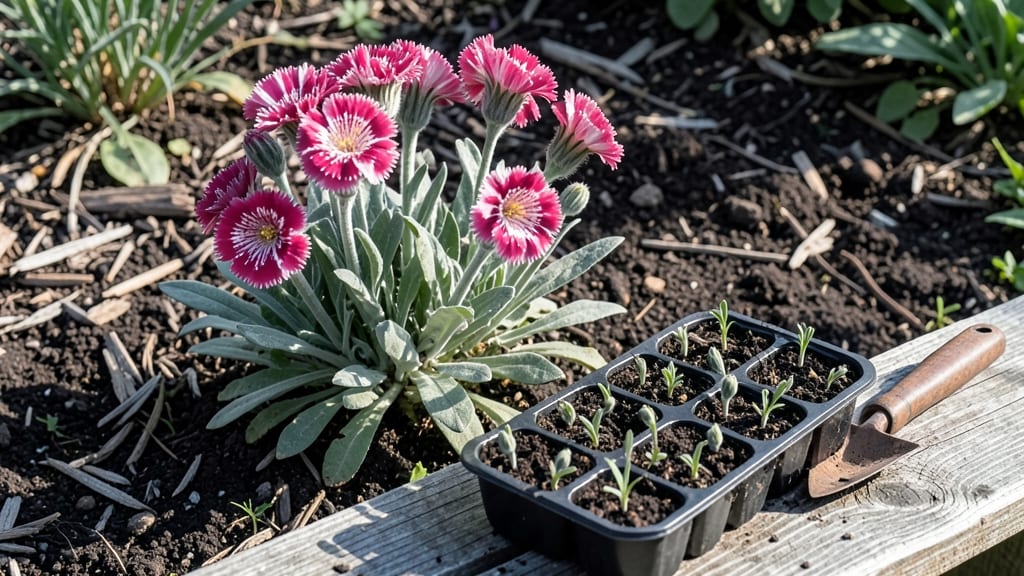
Growing dianthus from seeds gives you fragrant, velvety blooms that look like they came from a florist—except you grew them yourself. 🌸 I’ve started dianthus from seed every spring for five years, and the secret to those bold, long-lasting flowers isn’t complicated: it’s timing, the right soil mix, and a little patience.
Most people skip seeds because they think dianthus is fussy, but with the right approach, you’ll have showy clusters in just 60 days—no fuss, no waiting years for mature plants.
The magic starts with cool-season seeds that thrive in early spring or late summer. You’ll need a shallow tray, a mix of 50% potting soil and 50% perlite, and a sunny windowsill or grow light—no greenhouse required.
The trick is keeping the soil consistently moist but never soggy while the tiny seeds germinate, which can take 10-20 days if you’re patient. Once they sprout, you’ll be pinching back leggy seedlings and hardening them off before transplanting, but that’s where the real fun begins.
By late spring, your dianthus will reward you with clusters of pink, red, or white blooms that last for weeks and smell like a summer garden. The flowers stay fresh even when cut, and the plants bounce back after deadheading—meaning you’ll get a second flush of blooms before summer’s over.
Plus, they’re drought-tolerant once established, so once they’re in the ground, they’ll handle forgetful waterers like a champ.
Works for full sun to partial shade, in containers or garden beds, and even in USDA zones 3-10. The key is starting early enough to beat the heat—here’s how to time it right for your climate without the guesswork.
📚 In This Guide
- What you need
- Instructions
- Tips and common mistakes
- Wrapping up and next steps
What you need
- ● Dianthus flower seeds: 1–2 packets (choose varieties like Dianthus barbatus or Dianthus chinensis for bold blooms).
- ● Seed-starting mix: 1–2 gallons of sterile, well-draining potting soil (avoid garden soil—it’s too dense!).
- ● Containers: Small seed trays or pots (3–4 inches deep) with drainage holes.
- ○ Optional: Biodegradable peat pots for easy transplanting.
- ● Grow lights or sunny windowsill: A south-facing window or LED grow lights (12–16 hours/day) for seedlings.
- ● Spray bottle: For gentle watering (avoid over-saturating seeds!).
- ● Plastic wrap or humidity dome: To retain moisture while seeds germinate.
- ● Fertilizer: Balanced liquid fertilizer (5-10-5 or 10-10-10) for seedlings (dilute to half-strength).
- ● Patience: Dianthus seeds take 10–21 days to sprout—stay consistent!
- ● Temperature control: Ideal germination temp: 60–70°F (15–21°C). Use a heat mat if needed.
- ● Sunlight access: After germination, seedlings need 6+ hours of sunlight daily.
- ● Outdoor space (later stage): Full sun (6+ hours) and well-draining soil (pH 6.0–7.0).
- ● 🔥 Soak seeds overnight: Place seeds in warm water for 12 hours to speed up germination.
- ● 🌡️ Label your containers: Use toothpicks and markers to track seed varieties.
- ● ✨ Hardening off: Acclimate seedlings to outdoor temps 1 week before transplanting.
Step-by-Step instructions for growing dianthus from seeds
Here's how to coax those vibrant dianthus blooms from tiny seeds—no greenhouse needed.
🌱 Step 1: Prepare Containers and Seed Starting Mix
Fill clean 2-3 inch deep cell trays with the seed-starting mix until just below the rim. Press the mix down lightly with your fingers to eliminate air pockets—this ensures even moisture and prevents seed desiccation. I like to use a flat tool or the back of a spoon to create a smooth, level surface.
Dianthus seeds are tiny, so I sprinkle them directly onto the surface without covering. Place 2-3 seeds per cell—they germinate slowly, and thinning later can disturb delicate seedlings. Label your trays immediately; dianthus varieties look identical until they bloom.
💧 Step 2: Mist and Maintain Moisture Without Overwatering
Use a fine-mist spray bottle to dampen the soil until it’s uniformly moist to the touch but not soggy. Dianthus seeds need consistent moisture to germinate, but standing water will rot them before they sprout. I check daily and mist again if the surface feels dry.
Cover the tray with a clear plastic dome or plastic wrap to retain humidity. Place it in a warm spot—70-75°F is ideal—like on top of your fridge or near a sunny window. Germination takes 14-21 days, so patience is key. Resist the urge to peek daily; each time you lift the cover, moisture escapes.
☀️ Step 3: Provide Gentle Light After Germination
Once seedlings emerge, remove the dome immediately to prevent damping-off. Place them under a grow light or in a south-facing window where they’ll receive 6-8 hours of indirect light daily. Direct sun at this stage can scorch tender leaves—watch for pale, stretched seedlings as a warning.
I keep the light 2-3 inches above the seedlings and raise it gradually as they grow. Strong dianthus seedlings have thick stems and small, rounded leaves. If they stretch toward the light, your setup isn’t bright enough—adjust or supplement with a stronger bulb.
🪴 Step 4: Thin and Harden Off for Transplanting
When seedlings develop 2-3 sets of true leaves (about 4-6 weeks), thin to the strongest plant per cell. Use small scissors to snip unwanted seedlings at soil level—this avoids disturbing roots. Water gently after thinning to settle the soil around remaining plants.
Start hardening off 10-14 days before your last frost date. Place seedlings outside in a sheltered spot for 1-2 hours the first day, gradually increasing exposure. You’ll know they’re ready for the garden when they tolerate a full day outside without wilting. Transplant in well-draining soil with 6 inches between plants.
✂️ Step 5: Maintain for Blooms in 60 Days
After transplanting, water deeply once a week, allowing the top 1-2 inches of soil to dry between waterings. Dianthus thrives in full sun and tolerates dry conditions—overwatering is the fastest way to lose them. Deadhead spent blooms regularly to encourage continuous flowering.
Fertilize lightly with a balanced 10-10-10 formula every 4-6 weeks during the growing season. You’ll see those signature ruffled petals appear in 60 days from sowing—proof that patience pays off with bold, long-lasting color.
Tips & tricks for growing dianthus from seeds
These tried-and-true strategies will help you bypass common pitfalls and coax vibrant dianthus blooms from those tiny seeds.
Seed Starting Mix Tip: For optimal germination, I recommend mixing your seed-starting mix with 20% perlite or vermiculite to improve drainage. Dianthus seeds rot quickly in soggy conditions, and this adjustment prevents that while maintaining moisture. Press the mix firmly but gently in Step 1—this creates a stable surface for those delicate seeds without compacting too tightly.
Germination Environment: The 70-75°F temperature range mentioned in Step 2 is critical, but consistency matters more than exact numbers. If your home runs cooler, place the tray on top of your fridge or use a seedling heat mat set to 75°F. I've found that maintaining this warmth during the 14-21 day germination period is more important than precise timing—just keep the soil consistently moist without letting it dry out.
Lighting Strategy: When moving seedlings to 6-8 hours of indirect light in Step 3, position your grow light or window so it's 2-3 inches above the tallest seedlings. Use a small ruler to measure this distance—consistent height prevents leggy growth. If you notice seedlings stretching toward the light (a condition called etiolation), immediately raise the light source or supplement with a stronger bulb. I've seen dianthus seedlings go from perfect to sad in just 24 hours when light conditions change.
Transplanting Timing: The 10-14 day hardening-off period in Step 4 is your safety net against transplant shock. Start with just 1-2 hours of outdoor exposure the first day, then increase by 30 minutes daily. I always check weather forecasts—if frost is predicted, delay transplanting until after the last frost date. Dianthus is surprisingly cold-hardy once established, but seedlings won't tolerate even light frosts.
Pro Tips for Dianthus Flower Seeds
- These tried-and-true strategies will help you bypass common pitfalls and coax vibrant dianthus blooms from those tiny seeds.
- Seed Starting Mix Tip: For optimal germination, I recommend mixing your seed-starting mix with 20% perlite or vermiculite to improve drainage.
- Germination Environment: The 70-75°F temperature range mentioned in Step 2 is critical, but consistency matters more than exact numbers.
Frequently asked questions
How long does it take for dianthus flower seeds to germinate?
Most dianthus seeds sprout in 14–21 days when kept in warm (70–75°F), consistently moist soil. Patience is key—some varieties may take up to 30 days. Use a seedling heat mat if germination feels slow! Avoid overwatering, as soggy soil can deter sprouting.
Can I plant dianthus seeds directly in the garden, or should I start indoors?
For cooler climates, start seeds indoors 6–8 weeks before the last frost to extend your blooming season. In warmer zones (Zone 7+), direct sowing in early spring or fall works well. Just ensure soil temps are above 50°F—cold soil can delay germination.
Why aren’t my dianthus seeds sprouting? Troubleshooting tips?
Check these common culprits:
- Temperature: Seeds need warmth (use a heat mat if needed).
- Moisture: Keep soil evenly damp (not soggy). Mist lightly daily.
- Light: Seeds need bright, indirect light (no direct sun yet!).
- Freshness: Old seeds (<2 years) may struggle—test viability with a damp paper towel.
Are there easy-to-grow dianthus varieties for beginners?
Try these foolproof picks:
Variety
Why It’s Great
Dianthus chinensis ('Firewitch')
Fast-growing, heat-tolerant, and disease-resistant.
Dianthus barbatus ('Sweet William')
Classic, fragrant blooms; perfect for cut flowers.
Dianthus deltoides ('Maiden Pink')
Drought-tolerant and low-maintenance once established.
Can I save seeds from my dianthus flowers for next year?
Yes! Let spent blooms naturally dry on the plant (or cut and hang upside-down in a paper bag). Once pods turn brown and brittle, crack them open to collect seeds. Store in a cool, dry place for up to 2 years. Note: Some hybrids may not produce true-to-type flowers, so test a few seeds!
Wrapping up and next steps
Growing dianthus flower seeds is a rewarding way to add vibrant, fragrant blooms to your garden with minimal effort—especially when you know the right techniques! 🌸 From choosing the perfect soil mix to mastering deadheading, these cheerful flowers thrive with just a little care.
Whether you're a beginner or a seasoned gardener, their fast growth (60 days!) and stunning colors make them a must-have for borders, containers, or cutting gardens.
Ready to dive in? Start by gathering your supplies, then plant those seeds today—your future garden will thank you! For extra inspiration, explore companion plants or creative ways to display your dianthus blooms. Happy gardening! 🌱