Container Gardens
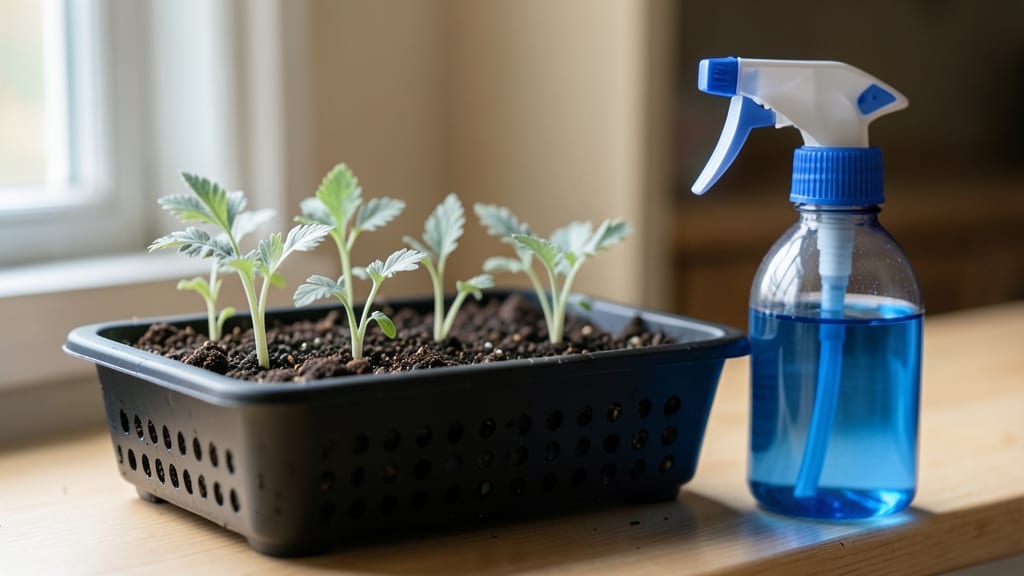
Starting poppy seeds indoors lets you beat the clock—these fast growers need just 10-14 days to sprout, but timing is everything for bold blooms. I’ve learned the hard way that planting too early means leggy seedlings, while waiting too long risks bolting before they flower.
The key is matching varieties to your last frost date and giving them exactly what they crave: cool soil, bright light, and patience.
You’ll need a shallow tray, well-draining seed-starting mix, and a sunny windowsill or grow light—no fancy equipment required. Poppy seeds are tiny, so scatter them lightly on top of the soil (they don’t need depth) and keep everything moist but never soggy.
A clear plastic dome or plastic bag creates the perfect humidity cocoon until those first paper-thin leaves appear.
Once sprouted, these seedlings grow fast—expect true leaves within 2 weeks—but they’re finicky about light. Stretch them toward a south-facing window or grow light now, or you’ll end up with weak stems that flop by transplant time.
The payoff? Clusters of cup-shaped blooms in shades of red, pink, or white that last just days but make every garden feel like a masterpiece.
Annual poppies like California poppies thrive in poor soil, while perennial varieties need consistent moisture. Time your transplant for when nighttime temps stay above 50°F, and watch them take off. The secret? Less is more—overwatering or overcrowding kills them faster than anything else.
📚 In This Guide
- What you need
- Instructions
- Tips and common mistakes
- Wrapping up and next steps
What you need
- ● Poppy seeds: Choose fast-germinating varieties like California Poppy (Eschscholzia californica) or Oriental Poppy (Papaver orientale). Buy 1–2 packets (50–100 seeds each) for a small batch.
- ● Seed-starting trays or pots: Use 2–4" deep containers (biodegradable or plastic) with drainage holes. A seed tray with cell inserts works great for organized planting.
- ● Seed-starting mix: A lightweight, sterile mix (e.g., 50% peat moss + 50% perlite or vermiculite) to prevent damping-off. Avoid garden soil—it’s too dense!
- ● Grow lights or sunny windowsill: Poppies need 12–16 hours of light daily. A LED grow light (12–15W per tray) or a south-facing window works.
- ● Misting bottle or spray nozzle: For gentle watering—poppy seeds hate soggy soil!
- ● Plastic wrap or humidity dome: Keeps moisture in until germination (usually 7–14 days).
- ○ Heat mat (optional but helpful): A seedling heat mat (set to 70–75°F) speeds up germination if your space is chilly.
- ● Fertilizer: A balanced liquid fertilizer (5-5-5 or 10-10-10) diluted to half-strength for seedlings.
- ● Fungicide: A natural fungicide (like neem oil or hydrogen peroxide spray) to prevent mold.
- ● Transplanting tools: Small tweezers or a butter knife for delicate seedling moves.
- ● Grow tent or humidity tray: If your space lacks consistent light or warmth.
- ● Plant labels: Mark varieties to avoid mix-ups (poppies come in so many colors!)
Step-by-Step instructions for starting poppy seeds indoors
Fast germination is the key to success—here’s how to get those delicate poppy seedlings up in record time.
Prepare Containers and Fast-Draining Soil Mix
Poppies despise soggy soil, so use the 4-inch square seed-starting trays with their built-in drainage. Fill each cell with a blend of 2 parts seed-starting mix and 1 part perlite—this ensures water drains quickly while holding enough moisture for germination. Tap the tray gently to settle the mix, then moisten it lightly with a spray bottle until the surface feels damp but not wet.
Press the soil down just enough to create a firm, even surface—this prevents seeds from sinking too deep. Poppy seeds are tiny, so I like to sprinkle them directly onto the soil surface rather than burying them. A single pinch of seeds per cell is plenty, as they germinate quickly and densely.
Sow Seeds and Provide Ideal Germination Conditions
Scatter the seeds evenly across the soil surface, spacing them about ¼ inch apart. Press them lightly with your fingertip so they make contact with the soil—this ensures consistent moisture uptake. Avoid covering them with soil, as poppy seeds need light to germinate. Mist the tray again with a fine spray of water until the soil is uniformly damp.
Place the tray in a warm, dark location—poppies germinate best at 70-75°F. A seedling heat mat set to 75°F speeds up germination, which typically occurs in 5-7 days. Keep the soil consistently moist but never soggy; overwatering at this stage will cause the seeds to rot before they sprout.
Move to Light and Prevent Leggy Growth
Once the first true leaves appear (not the initial seed leaves), transfer the tray to a bright, indirect light source. Poppies grow fast but need 12-14 hours of light daily to avoid stretching. If using a grow light, position it 3-4 inches above the seedlings—closer than this can scorch their delicate leaves.
Watch for signs of legginess: thin, elongated stems with widely spaced leaves. If you see this, immediately lower the light source or move the tray closer to a sunny window. Strong seedlings will have sturdy stems and deep green leaves within 10-14 days of germination.
Thin Seedlings and Harden Off for Transplanting
When seedlings reach 1-2 inches tall, thin them to one per cell using scissors to snip excess plants at soil level. This prevents overcrowding, which weakens stems and reduces bloom quality. Water the remaining seedlings gently to settle the soil around their roots.
Begin hardening off 2 weeks before your last frost date by placing the tray outside in a sheltered spot for 1-2 hours the first day. Gradually increase exposure over 7-10 days, ending with full sun. Poppies are frost-tolerant but benefit from this gradual transition to avoid shock. Transplant after the soil warms to 50°F or above—cool roots struggle to establish.
Tips & tricks for perfect poppy seed germination
Fast germination is all about precision—here are the key details that make the difference between success and disappointment.
Soil Moisture Balance: The blend of 2 parts seed-starting mix to 1 part perlite in Step 1 is crucial, but the real secret lies in moisture control. After sowing, check the soil daily—it should feel like a damp sponge, not a dripping cloth. Overwatering at this stage is the number one reason poppy seeds rot before sprouting. I use a spray bottle with a fine mist setting to avoid disturbing the tiny seeds while maintaining consistent moisture.
Temperature Consistency: Maintaining that 70-75°F range during germination (Step 2) requires vigilance, especially if you don't have a heat mat. Place your tray on top of a refrigerator or near a warm (not hot) appliance like a water heater. The goal is steady warmth—fluctuations below 65°F can delay germination by days. A simple thermometer placed near the tray helps monitor conditions without disturbing the seeds.
Light Transition Strategy: When moving seedlings to light in Step 3, gradual exposure is key. Start with just 2-3 hours of indirect light on the first day, then increase by 1-2 hours daily. This prevents the shock that causes leggy growth. I've found that placing trays on an east-facing windowsill provides perfect morning sun without the harsh afternoon rays that can scorch delicate seedlings.
Hardening Off Timeline: The 2-week hardening off period (Step 4) can be adjusted based on your climate. If you're in a region with unpredictable spring weather, extend this to 3 weeks for extra protection. Start with just 30 minutes of outdoor time on the first day, then increase by 30 minutes each subsequent day. This gradual approach builds resilience without shocking the plants—something I learned the hard way after losing seedlings to sudden cold snaps.
Pro Tips for Starting Poppy Seeds Indoors
- Fast germination is all about precision—here are the key details that make the difference between success and disappointment.
- Soil Moisture Balance: The blend of 2 parts seed-starting mix to 1 part perlite in Step 1 is crucial, but the real secret lies in moisture control.
- Temperature Consistency: Maintaining that 70-75°F range during germination (Step 2) requires vigilance, especially if you don't have a heat mat.
Frequently asked questions
Got questions about starting poppy seeds indoors? You’re not alone! Here are some of the most common concerns—and their solutions—to help you grow bold, vibrant blooms with confidence.
When is the best time to start poppy seeds indoors?
For most poppy varieties, sow seeds 6–8 weeks before your last frost date. This gives seedlings enough time to mature before cooler weather slows growth. Check your local frost dates and adjust for your climate—some gardeners even start them as early as February in colder regions!
Do poppy seeds need light to germinate?
Yes! Poppy seeds require light to sprout, so don’t bury them deep—just press them lightly into the soil (about ¼ inch). Use a seed tray with a clear lid or a grow light to keep them happy until sprouts appear. Without light, they may take weeks (or never!) to break through the soil.
Why aren’t my poppy seeds germinating?
Poppy seeds are fussy—here’s what to check:
- Freshness: Old seeds (over 1 year) germinate poorly. Buy new seeds or test viability by soaking a few in water.
- Moisture: Keep soil consistently damp (not soggy) but avoid overwatering, which can cause rot.
- Temperature: Ideal germination temps are 60–70°F (15–21°C). A heat mat helps if your home runs cooler.
- Light: As mentioned, they must have light to sprout!
Can I start poppy seeds in egg cartons or other DIY containers?
Egg cartons, yogurt cups, or even toilet paper rolls work great for poppy seeds. Just ensure:
- Drainage holes are present (poke them if needed!).
- Containers are shallow—poppy roots are delicate and don’t need depth.
- You transplant seedlings gently (with soil intact) to avoid shocking them.
How long does it take for poppy seedlings to mature enough for outdoor planting?
Poppy seedlings are fast growers! Most varieties reach transplant size in 4–6 weeks if given proper light and care. Look for 2–3 true leaves and at least 2 inches of height before moving them outside. Harden them off for 5–7 days first to avoid shock.
Wrapping up and next steps
Starting poppy seeds indoors is a rewarding way to jumpstart your garden and enjoy vibrant blooms with minimal fuss! With the right fast-germinating varieties, proper timing, and a little care, you’ll be on your way to a stunning display of color.
Whether you’re a seasoned gardener or just beginning, these tips will help you grow confidently—so grab those seeds and get planting! 🌱✨
Now that you’re ready, your next step? Transplant those seedlings outdoors once the last frost has passed and the soil is warm. Keep an eye on those delicate stems, and soon, you’ll be rewarded with a breathtaking poppy-filled paradise!