
Trees
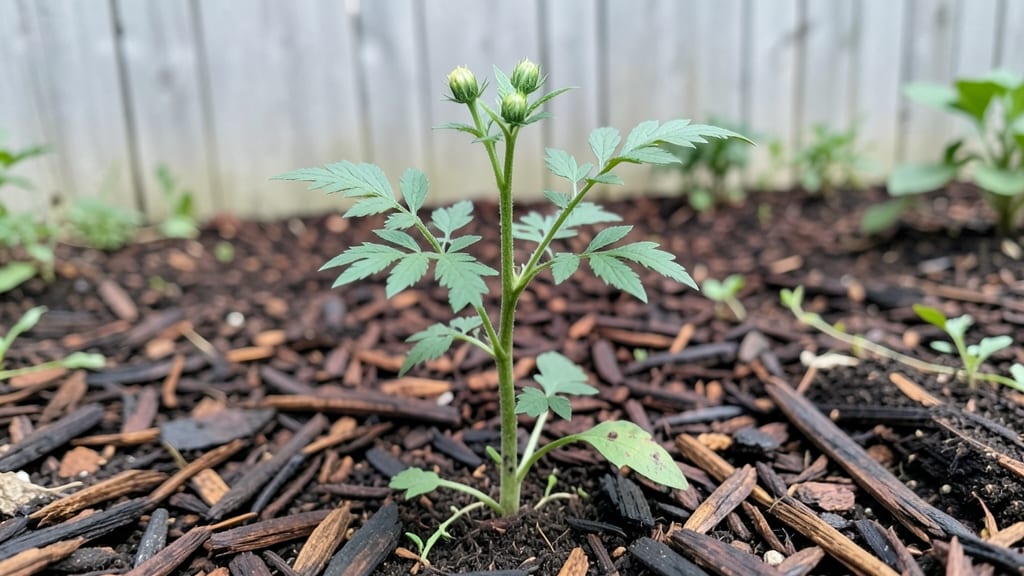
Cosmos seedling identification is the secret to a garden bursting with those airy, daisy-like blooms by summer—✨ I’ve spent years watching tiny seedlings transform into towering stems with delicate flowers, and the key moment happens when those first leaves unfurl—smooth, lobed edges that look like tiny maple leaves.
The real trick? Spotting them before weeds or volunteer sunflowers steal the show.
Most cosmos seedlings start with two round, fuzzy leaves close to the soil, then develop the signature lobed, serrated shape as they grow. They grow fast—1-2 inches per week—and their stems stay slender but sturdy.
The biggest mistake? Pulling them up thinking they’re weeds because they look so different from mature cosmos plants. A quick check of the leaf shape saves the day.
Once you’ve confirmed those lobed leaves, give them space to breathe—they’ll spread 1-3 feet wide if happy. Keep the soil lightly moist but not soggy, and watch as they shoot up toward sunlight.
By midsummer, you’ll have 6-foot stems covered in blooms that attract butterflies and hummingbirds. The payoff? A garden that feels like a wildflower meadow without the effort.
This works for all cosmos varieties—whether you’re growing the classic ‘Sensation’ mix or the towering ‘Bright Lights.’ The same leaf shape rules apply, so you can trust the process every time. Here’s how to keep them thriving from that first tiny sprout to full bloom.
Hidden Traps in Seedling Growth
Identifying cosmos seedlings isn’t always as straightforward as it seems—especially when growth stalls, leaves distort, or seedlings fail to thrive. These issues often stem from invisible but critical factors that disrupt early development.
Understanding the root causes (literally and figuratively) helps gardeners intervene before problems escalate. Below, we break down the most common culprits behind misidentification and stunted growth in cosmos seedlings.
Cosmos seedlings thrive when given room to breathe, but overcrowding creates a competitive battle for nutrients, water, and light. When seedlings are planted too close together, they may:
- Develop weak stems—competing for sunlight forces seedlings to stretch unnaturally, leading to leggy, top-heavy plants that topple easily.
- Show stunted growth—roots become tangled, restricting water and nutrient uptake, which slows leaf production and delays flowering.
- Mimic disease symptoms—yellowing leaves or wilting can resemble fungal infections, but the real issue is simply a lack of space.
Actionable fix: Thin seedlings to 12–18 inches apart once they reach 2–3 inches tall. Use a small trowel to gently separate them, ensuring each has access to sunlight and soil depth.
Cosmos seedlings are drought-tolerant once established, but their early stages demand consistent moisture. Watering issues manifest in distinct ways:
| Problem | Visual Clues | Root Cause |
|---|---|---|
| Underwatering | Crispy, brown leaf edges; wilting despite soil appearing dry | Soil dries out too quickly, causing root desiccation. Common in sandy or fast-draining soils. |
| Overwatering | Yellowing leaves; mushy stems; seedlings collapsing | Poor drainage or excessive watering leads to Pythium or root rot, smothering oxygen uptake. |
| Inconsistent Moisture | Uneven growth; some seedlings thriving while others lag | Drip irrigation or hand-watering misses spots, creating dry pockets in the seedling tray. |
Actionable fix:
- Use well-draining seedling mix (50% peat/coir, 30% perlite, 20% compost).
- Water at the soil level, not overhead, to prevent fungal splash.
- Check moisture by touching the soil—it should feel like a damp sponge, not soggy or bone-dry.
Cosmos seedlings crave bright, indirect light, but growers often misjudge their needs, leading to:
- Leggy, etiolated seedlings—stretched stems with sparse leaves indicate low light. These seedlings may appear "wrong" at first glance, confusing identification.
- Bleached or scorched leaves—direct midday sun (especially in greenhouses) causes sunburn, turning leaves white or crispy.
- Slow germination—seeds may sprout but stall if kept in dark or shaded conditions.
Actionable fix:
- Place seedlings in a south-facing window or under grow lights (12–16 hours/day).
- Use shade cloth (30–50%) if growing outdoors in hot climates.
- Avoid fluorescent bulbs—they emit too little heat; opt for LED grow lights instead.
Cosmos seedlings are sensitive to temperature extremes and humidity drops, which can halt growth or trigger false alarms:
- Cold stress (<50°F/10°C): Seedlings may yellow at the edges or develop purple-tinged leaves (a sign of phosphorus deficiency due to poor nutrient uptake).
- Heat stress (>85°F/30°C): Leaves curl inward or drop prematurely, mimicking drought symptoms.
- Low humidity: Tiny seedlings may wilt suddenly or develop brown tips, even with adequate water.
Actionable fix:
- Keep seedlings in a consistent 65–75°F (18–24°C) range during the day.
- Use a humidity dome or pebble tray to maintain 50–70% humidity.
- Avoid placing near AC vents or drafty windows.
Tiny pests like aphids, spider mites, or fungus gnats can decimate seedlings before symptoms appear. Their damage often gets mistaken for environmental stress:
- Aphids: Sticky residue ("honeydew") on leaves attracts sooty mold, making seedlings look blackened or sluggish.
- Spider mites: Fine webbing on undersides of leaves causes yellow stippling, confusing it for nutrient deficiency.
- Fungus gnats: Larvae feed on roots, leading to sudden wilting despite moist soil.
Actionable fix:
- Inspect seedlings daily with a magnifying glass.
- Spray with neem oil (1 tsp/gallon water) or introduce beneficial nematodes for gnats.
- Use yellow sticky traps to monitor adult pests early.
Cosmos seedlings struggle in poor-quality or compacted soil, which affects nutrient availability and root development. Common soil-related red flags:
- Clay-heavy soil: Roots suffocate, leading to dark, waterlogged areas and slow leaf expansion.
- Sandy soil: Nutrients wash out, causing pale, stunted seedlings with weak stems.
- High salt content: Often from tap water or fertilizer burn, causing crispy leaf edges or white crust on soil.
Actionable fix:
- Amend soil with compost or coconut coir to improve structure.
- Flush containers with rainwater or distilled water to leach excess salts.
- Add a slow-release fertilizer (5-10-
Quick fixes for seedling confusion
Identifying cosmos seedlings can feel like solving a puzzle when you’re staring at tiny, delicate sprouts that all look similar at first glance. But with the right approach, you can turn confusion into clarity—fast. Below are practical solutions tailored to common challenges, from misidentifying species to dealing with environmental stress. Each fix includes actionable steps and prevention tips to keep your seedlings thriving.
Cause: Early-stage cosmos seedlings resemble other annual flowers (like zinnias or marigolds) or weeds, making identification tricky.
Fix:
- 🌱 Examine the First True Leaves
- Cosmos seedlings develop their first set of lobed, fern-like leaves (called cotyledons) before true leaves appear. True cosmos leaves are hairy, jagged, and deeply serrated—unlike the smooth edges of zinnias.
- Pro Tip: 💡 Use a magnifying glass or phone camera with a macro lens to spot fine details like leaf texture or tiny hairs.
- 📏 Measure Growth Rate - Cosmos seedlings grow 1–2 inches per week under ideal conditions.
If your seedlings are stagnant or growing slower, they might be struggling (or not cosmos at all). - Prevention: Plant a few seeds in a separate pot as a "control group" to compare growth patterns.
- 🌿 Compare with a Known Sample
- If you’re unsure, dig up a mature cosmos plant from your garden (or a neighbor’s!) and compare its leaf shape and stem hairiness to your seedlings.
- Quick Hack: 🎯 Snap a photo of your seedlings and overlay it with an image of a mature cosmos plant (use a free app like Photo Mix for side-by-side comparisons).
Cause: Overwatering, underwatering, or nutrient deficiencies can stunt growth and distort leaf color.
Fix:
- 💧 Check Soil Moisture
- Stick your finger 1 inch into the soil. If it’s soggy, the seedlings are overwatered; if dry, they need hydration.
- Solution: Use a moisture meter or the "squeeze test" (gently press soil—it should crumble, not stick together).
- Prevention: 🌡️ Water only when the topsoil feels dry, and ensure pots have drainage holes.
- 🌱 Adjust Light Exposure - Yellowing leaves often signal etiolation (stretching toward light) or leaf scorch (too much sun). - Fix: Move seedlings to a spot with 6–8 hours of indirect sunlight daily.
Use a grow light if natural light is insufficient. - Pro Tip: ✨ Rotate trays weekly to prevent uneven growth toward a single light source.
- 🍽️ Boost Nutrients Gently
- Weak seedlings may need a balanced fertilizer (5-5-5 or 10-10-10 ratio).
- How to Apply: Mix ½ teaspoon of fertilizer per gallon of water and apply every 2–3 weeks after the first true leaves appear.
- Warning: ⚠️ Avoid over-fertilizing—cosmos are sensitive to salt buildup!
Cause: Tiny holes, chewed leaves, or moldy stems can disguise your seedlings’ true identity.
Fix:
- 🔍 Identify the Culprit
- Holes or chewed edges? Likely aphids, slugs, or spider mites.
- Sticky residue? Aphids or whiteflies.
- Fuzzy gray mold? Powdery mildew (common in humid conditions).
- 🛡️ Treat Naturally - For Pests: Spray seedlings with a soapy water solution (1 tsp mild dish soap + 1 quart water).
Repeat every 3–4 days until pests vanish. - For Fungal Issues: Improve airflow by spacing seedlings 2–3 inches apart and apply a baking soda spray (1 tsp baking soda + 1 quart water + a drop of soap). - Prevention: 💡 Start with disease-resistant cosmos varieties (e.g., 'Bright Lights' or 'Sensation') and avoid overhead watering.
- 🧹 Isolate Affected Seedlings
- If a seedling is severely damaged, remove it immediately to prevent spread. Dispose of it in a sealed bag (not the compost).
Cause: Seedlings may be cosmos but aren’t developing properly due to age, light, or transplant shock.
Fix:
- ⏳ Verify Age and Stages
- Cosmos take 60–70 days to flower from seed. If seedlings are 4–6 weeks old and still tiny, they need more light or warmth.
- Solution: Use a heat mat (70–75°F) to speed germination and growth.
- 🌱 Transplant Carefully
- If seedlings are leggy or pale, they’ve been overcrowded. Thin them to 12–18 inches apart (or repot them).
- Pro Tip: 🌡️ Harden off seedlings gradually (5–7 days of outdoor acclimation) before transplanting to avoid shock.
- 🌸 Encourage Flowering
- Pinch back the top set of leaves when seedlings are 6 inches tall to promote bushier growth and more blooms.
- Bonus: 🎯 Deadhead spent flowers to encourage continuous blooming.
With these fixes, you’ll not only nail cosmos seedling identification but also set your plants up for a vibrant, healthy life. Remember: patience and observation are your best tools—tiny details make all the difference! 🌿
Frequently asked questions
How do I tell cosmos seedlings apart from weeds or other flowers?
Look for the lobed, serrated leaves with fuzzy texture—cosmos seedlings start with tiny round leaves, then develop these signature jagged edges. They also grow 1-2 inches per week, while weeds like purslane stay low and broad-leaved. Use a magnifying glass to check for fine hairs on stems.
Why are my supposed cosmos seedlings growing so slowly?
Slow growth usually means low light or overcrowding. Cosmos need 6-8 hours of sunlight daily—move them to a brighter spot or use grow lights. Thin seedlings to 2-3 inches apart to prevent competition. If they're still lagging after 3 weeks, they might not be cosmos at all!
Can I transplant cosmos seedlings too early?
Yes—but only if they have 2-3 true leaves and nighttime temps stay above 50°F (10°C). Harden them off first by placing outside for 1-2 hours daily over 5-7 days. Transplant in well-draining soil and water deeply to reduce shock. Avoid transplanting if frost is forecasted.
What should I do if my cosmos seedlings look like they have a disease?
Check for yellowing leaves (often nutrient deficiency) or mushy stems (root rot). Improve airflow by spacing plants 12-18 inches apart and avoid overhead watering. For fungal issues, spray with a baking soda solution (1 tsp baking soda + 1 quart water). If pests like aphids appear, use soapy water spray.
How can I tell if my seedlings are ready to flower?
Cosmos seedlings will show buds forming at the stem tips after 60-70 days from sowing. The leaves will also develop a darker green color and become more rigid. Once buds appear, they'll bloom in 7-10 days under ideal conditions. Pinch back leggy stems to encourage bushier growth with more flowers.