Trees
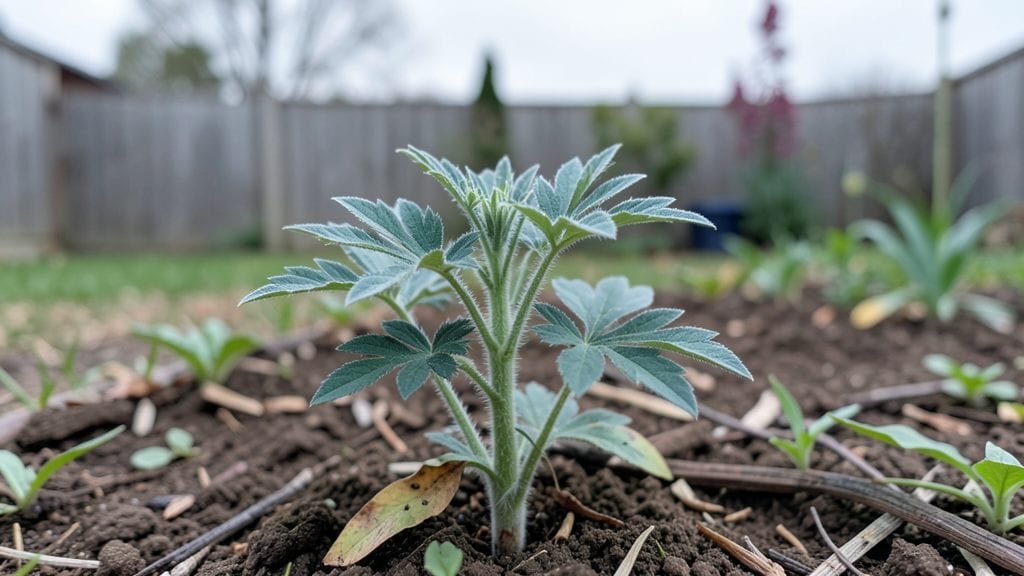
The identification of a larkspur seedling early saves you from weeding out what you thought were volunteers—those tiny, deeply lobed leaves, almost like miniature ferns, appear in neat spirals around the stem. 🌱 I’ve pulled up what I thought were larkspurs only to find delphinium seedlings with their broader, less jagged leaves, so I learned to check closely.
Healthy larkspur seedlings have bright green, slightly fuzzy stems with leaves that grow in a rosette close to the ground. Look for hairy stems and five-petaled flowers forming by late spring if you’ve got strong stock—though you’ll spot those blooms later.
Stunted growth or yellowing leaves usually mean overwatering or fungal issues, not a misidentification.
If you’re unsure, compare them side by side with mature larkspur plants—true seedlings mimic the adult’s spiky, airy habit even in miniature. Delphiniums, their closest lookalikes, tend to grow taller faster and have smoother stems. Once confirmed, thin seedlings to 12 inches apart for best air circulation and blooms.
Troubleshooting tip: If seedlings look leggy or pale, they’re likely etiolated from poor light. Move them to a bright, indirect spot immediately—this prevents weak stems that snap in wind. Most issues correct themselves with proper spacing and sunlight, but keep an eye out for slug trails or chewed leaves.
Mistakes That Confuse Seedlings
Identifying larkspur seedlings can be tricky, especially when they’re still young and lack the distinctive spiky blooms or tall stalks of mature plants. Misidentification often stems from a mix of environmental factors, plant biology, and human error.
Understanding these causes helps you spot seedlings accurately—and avoid planting the wrong thing in your garden. Here’s why confusion happens, broken down by the real culprits:
Larkspur seedlings (Delphinium spp.) resemble other plants in their first few weeks, making them easy to mistake for weeds or unrelated seedlings. Here’s why:
- Slow, low-to-ground growth: Young larkspur leaves are pinnately lobed (like a feather) and grow in a rosette pattern close to the soil. Without the iconic blue-purple spikes, they can blend into clover, chickweed, or even young delphinium look-alikes like Consolida (larkspur’s wild cousin).
- Color confusion: Seedlings start with gray-green or blue-green leaves, which may darken as they age. If the soil is moist or shaded, the leaves can appear darker, mimicking plants like Lobelia or Myosotis (forget-me-nots).
- Timing matters: Larkspur seeds germinate slowly (often 10–30 days, depending on temperature). If you’re checking for seedlings too early, you might see empty soil or misidentify sprouted weeds instead.
💡 Pro Tip: Wait until seedlings have 2–3 sets of true leaves (not just the initial seed leaves) before attempting ID. At this stage, their lobed, jagged edges become more noticeable.
Larkspur thrives in cool, moist conditions—similar to many other garden plants. This overlap in habitat leads to mixed-up seedlings. Key environmental triggers include:
| Factor | Why It Causes Confusion | How to Tell Them Apart |
|---|---|---|
| Moisture | Larkspur loves consistently damp soil, just like foxglove or columbine seedlings. Overwatered areas can produce a dense mat of similar-looking greenery. | Check leaf texture: Larkspur leaves are hairy on the underside; foxglove leaves are smooth and oval. |
| Shade | Partial shade slows larkspur growth, making seedlings smaller and darker, resembling borage or comfrey. | Larkspur leaves have deeply cut lobes; borage leaves are rough and arrow-shaped. |
| Soil Type | Well-draining but fertile soil (like larkspur prefers) also suits hollyhock or snapdragon seedlings, which can sprout nearby. | Larkspur stems are hollow and slightly fuzzy; hollyhock stems are sturdy and ribbed. |
✨ Key Detail: Larkspur seedlings often grow in clusters because they self-seed aggressively. If you see a group of 3+ identical plants, it’s a red flag for larkspur!
Even experienced gardeners can misidentify seedlings if they’re not paying attention to specific details. Common pitfalls include:
- Focusing on flowers instead of foliage: Since larkspur is prized for its showy blooms, growers often overlook that seedlings don’t flower for months. Relying on bloom color (e.g., expecting blue spikes) leads to frustration when none appear.
- Ignoring leaf arrangement: Larkspur leaves grow in a whorled pattern (multiple leaves at a node) as they mature. Many beginners confuse this with alternate leaf patterns (like in mint or basil).
- Skipping the “squeeze test”:strong> Larkspur stems are hollow and brittle. If you gently squeeze a seedling and it collapses easily, it’s likely larkspur—unlike woody-stemmed weeds.
🎯 Actionable Fix: Use a magnifying glass to inspect leaf veins and edges. Larkspur’s veins are prominent and forked, while weeds like lamb’s quarters have smooth, net-like veins.
By recognizing these common causes—whether it’s biological overlap, environmental conditions, or observational oversights—you’ll sharpen your ability to ID larkspur seedlings with confidence. Next, we’ll dive into how to distinguish them from look-alikes using a side-by-side comparison guide.
Fixing Common Larkspur Seedling Struggles
Got young larkspur seedlings but unsure how to keep them thriving? Whether you’re dealing with stunted growth, pest invasions, or identification confusion, these practical fixes will help you nurture healthy plants from the start.
Below, we’ve mapped out the most common issues and their solutions—plus prevention tips to avoid future headaches.
Cause: Poor soil nutrition, overcrowding, or improper light exposure.
How to Fix It: 🔥 Boost Soil Fertility Larkspurs thrive in well-draining soil rich in organic matter. Mix in compost or aged manure (1-2 inches) before planting. For container seedlings, use a light potting mix with perlite for aeration.
🍳 Thin Seedlings Properly Overcrowded seedlings compete for nutrients. Space them 6-12 inches apart (depending on variety) to encourage stronger stems and blooms.
👨🍳 Optimize Light & Water Place seedlings in full sun (6+ hours daily) but avoid scorching midday heat. Water deeply at the base (not overhead) to prevent fungal diseases like damping-off.
✨ Prevention Tip: Test soil pH (ideal: 6.0-7.0). If too acidic, amend with lime; if alkaline, add sulfur or peat moss.
Cause: Aphids, spider mites, or fungal infections (e.g., powdery mildew) targeting tender seedlings.
How to Fix It: 🔪 Spot-Treat Pests Early
- Aphids: Spray with soapy water (1 tsp mild soap + 1 quart water) or introduce ladybugs.
- Spider Mites: Blast off with a strong water jet or use neem oil spray (1 tbsp oil + 1 tsp mild soap per gallon of water).
- Slugs/Snails: Set up beer traps (bury a shallow dish filled with beer) or use copper tape around pots.
🌡️ Prevent Fungal Spread
- Powdery Mildew: Improve airflow by pruning crowded foliage and apply baking soda spray (1 tsp baking soda + 1 quart water + a drop of soap).
- Damping-Off: Avoid overhead watering and sterilize tools with rubbing alcohol between uses.
🎯 Prevention Tip: Rotate crops if growing larkspurs annually in the same spot to break pest/disease cycles.
Cause: Confusing larkspur seedlings with delphiniums, foxgloves, or weeds like wild lupines.
How to Fix It: 📊 Check Key Traits Use this quick ID cheat sheet to confirm your seedlings:
| Trait | Larkspur | Lookalikes |
|---|---|---|
| Leaf Shape | Deeply lobed, fern-like | Delphinium: Similar but more toothed |
| Stem | Slender, hairy, often purple-tinged | Foxglove: Square stems, bell flowers |
| Seedling Stage | Tiny rosettes with silvery hairs | Lupines: Palm-shaped leaves |
💡 Pro Tip: Press a leaf between two sheets of paper and compare it to reference images. For doubts, transplant one seedling to observe flower color (larkspurs bloom in blue, purple, or white).
✨ Prevention Tip: Label seedlings immediately with toothpicks or plant markers to track varieties.
Cause: Cold soil, old seeds, or improper planting depth.
How to Fix It: 🌱 Stratify Seeds (If Needed) Some larkspur varieties need cold stratification (4-6 weeks in the fridge). Soak seeds in water for 24 hours, then mix with damp sand in a sealed bag.
🍳 Plant at the Right Depth Sow seeds just below the soil surface (no deeper than ¼ inch). Use a fine mist to keep soil moist but not soggy.
👨🍳 Warm Up the Soil If germination stalls, place trays on a seedling heat mat (70-75°F) or move pots to a sunny windowsill.
🔥 Prevention Tip: Store seeds in a cool, dry place (not the fridge) and plant within 1 year for best viability.
Final Reminder: Larkspurs are delicate but rewarding—patience and consistency pay off with dramatic spikes of color. Start with these fixes, and your seedlings will be blooming strong in no time! 🌸
Frequently asked questions
How do I tell if my young plant is a larkspur seedling?
Look for deeply lobed, fern-like leaves arranged in a rosette close to the ground. True larkspur seedlings have hairy stems and silvery hairs on the underside of leaves. They grow in clusters since larkspurs self-seed aggressively—check for 3+ identical plants in one spot.
What’s the difference between larkspur and delphinium seedlings?
Larkspur leaves are more jagged and fern-like with deeper lobes, while delphinium seedlings have broader, toothed leaves that resemble tiny maple leaves. Delphinium stems are also smoother and grow taller faster—larkspurs stay low to the ground longer.
Why are my larkspur seedlings turning yellow?
Yellowing leaves usually mean overwatering or nutrient deficiency. Check soil moisture—it should be damp but not soggy. If the yellowing starts at the bottom, it’s likely overwatering; if it’s uniform, your seedlings need balanced fertilizer (use a 10-10-10 mix lightly).
Can I transplant larkspur seedlings too soon?
Wait until seedlings have 2-3 sets of true leaves (not just the initial seed leaves) and are at least 2-3 inches tall. Transplanting too early stresses delicate roots. Harden off seedlings by placing them outdoors for 1-2 hours daily for a week before full transplant.
How long does it take for larkspur seedlings to flower?
With proper care, larkspur seedlings typically bloom in 90-120 days from planting. However, first-year plants often focus on root growth, so you might see just a few small flowers. Second-year plants usually produce taller, more abundant spikes of blue, purple, or white blooms.