
Trees
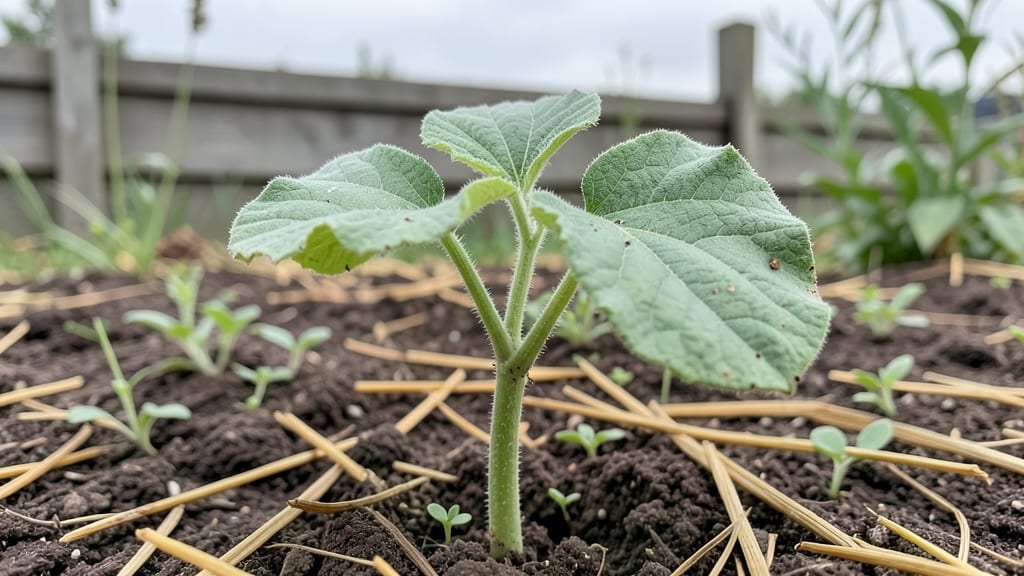
The identification of a melon seedling begins with those first two tiny leaves—cotyledons—that look like miniature watermelon slices. 🌱 I’ve spent years watching seedlings emerge, and the key is noticing how melon leaves develop into jagged, deeply lobed patterns by the third set.
That’s your telltale sign before vines even appear.
Most beginners confuse melons with squash or cucumbers, but melon seedlings have a distinct rough, hairy stem and leaves that look like they’ve been cut with uneven scissors.
Squash leaves are smoother with rounded edges, while cucumbers develop heart-shaped leaves almost immediately. Pay attention to those details—it’s how you avoid weeding out your future harvest.
Healthy melon seedlings should have bright green, crisp leaves with no yellowing or curling. If you see stunted growth or blackened stems, it’s usually overwatering or damping-off fungus. The good news? Once you spot these early signs, you can fix them before they become a bigger problem.
This guide covers everything from cotyledons to early vine development, so you’ll never second-guess whether that sprout is a melon or an imposter. Let’s get those seedlings thriving!
Root Causes of Misidentification
Accurately identifying melon seedlings can feel like solving a botanical puzzle—especially when early-stage leaves look eerily similar across different varieties. But don’t worry! Most missteps boil down to a few key factors rooted in biology, environment, and human perception.
Understanding these causes helps you sharpen your eye and avoid costly mistakes in your garden. Let’s break it down.
Melons belong to the Cucumis genus, which includes species like cantaloupes, honeydews, and watermelons. While they share a family tree, their seedlings can look strikingly different from day one due to:
- Leaf shape and texture: Cantaloupe seedlings often have serrated (toothed) leaves with a rough, hairy texture, while watermelon seedlings start with smooth, lobed leaves. Honeydew seedlings may have a softer, more rounded appearance.
- Growth rate: Some melons (like Cucumis melo) sprout faster with broader cotyledons (seed leaves), while others (Citrullus lanatus, watermelon’s scientific name) take longer to unfurl true leaves.
- Hybrid mixing: If you’re using saved seeds or open-pollinated varieties, crossbreeding can create seedlings that blend traits, making identification even trickier. For example, a watermelon-cantaloupe hybrid might produce seedlings with partially lobed, partially serrated leaves.
Pro tip: 💡 If you’re unsure, wait for the third true leaf (not the cotyledons) to emerge—the differences become far more distinct at this stage.
Seedlings don’t grow in a vacuum, and their appearance can be dramatically altered by external conditions. Common stressors include:
| Factor | Effect on Seedlings | How to Fix It |
|---|---|---|
| Temperature swings | Cold stress (<60°F/15°C) causes purpling or stunted growth, while heat (>90°F/32°C) leads to yellowing or curled leaves. | Use row covers for cold snaps or shade cloth for extreme heat. |
| Light deficiency | Leggy, pale seedlings with large but weak leaves (etiolation) due to insufficient sunlight. | Move seedlings to a south-facing window or use grow lights (12–16 hours/day). |
| Moisture extremes | Overwatering causes yellow, mushy leaves (fungal risk), while underwatering leads to crispy, brown edges. | Keep soil consistently moist but not soggy—stick your finger 1 inch deep to check. |
| Soil pH imbalances | Melons prefer pH 6.0–6.8. Too acidic (<5.5) or alkaline (>7.5) causes chlorosis (yellowing between veins). | Test soil and amend with lime (to raise pH) or sulfur (to lower pH). |
Key takeaway: 🌡️ Stress often masks a seedling’s true traits—address environmental issues first before diagnosing leaf patterns.
Even with perfect seedlings, misidentification happens when:
- Focusing on the wrong features: New growers often fixate on leaf color (e.g., dark green vs. light green) instead of shape, vein pattern, or stem hairiness, which are more reliable.
- Ignoring the stem: Melon seedlings have hairy stems (especially cantaloupes), while some squash or cucumber seedlings have smooth, waxy stems. A quick stem check can save time!
- Comparing apples to oranges: Using a single reference photo from the internet is risky—melon varieties vary wildly even within species. Always cross-check with multiple sources or the seed packet.
- Rushing the process: Cotyledons (the first leaves) are identical across melon types—you must wait for true leaves (the second set) to appear.
Actionable tip: ✨ Create a cheat sheet with side-by-side images of cantaloupe, watermelon, and honeydew seedlings at the true leaf stage. Keep it handy while transplanting!
By tackling these root causes—genetic quirks, environmental stress, and observation habits—you’ll transform melon seedling identification from a guessing game into a confident, science-backed skill. Next up: how to use these insights to accurately ID your seedlings.
Quick fixes for seedling struggles
When your melon seedlings aren’t thriving, the right fixes can turn things around fast. Below, we’ve mapped common issues to practical solutions—plus tips to keep your seedlings strong from the start.
Cause: Too many seedlings competing for nutrients, light, and space. Fix:
- 🔪 Snip or Gently Pull: Use clean scissors or your fingers to remove weaker seedlings at the base, leaving the healthiest 1–2 per pot or 12–18 inches apart in the ground.
- 🌱 Repurpose Weaklings: Transplant thinned seedlings into a separate container for extra greens or compost them.
- 💡 Prevention Tip: Sow seeds in small groups or use biodegradable pots to avoid overcrowding early on.
Cause: Overwatering, underwatering, or poor drainage causing stress. Fix:
- 💧 Adjust Watering: Let the top inch of soil dry before watering again. Use a moisture meter or stick your finger in the soil to test.
- 🌡️ Improve Drainage: If soil feels soggy, mix in perlite or sand to aerate it. Ensure pots have drainage holes.
- ☀️ Boost Light: Move seedlings to a sunnier spot (6–8 hours of light daily) or use a grow light if indoors.
- 🎯 Prevention Tip: Water at the base (not overhead) to prevent fungal diseases like damping-off.
Cause: Aphids, spider mites, or cucumber beetles feasting on tender leaves. Fix:
- 🚿 Blast Off Pests: Spray seedlings with a strong stream of water to dislodge bugs.
- 🧴 Natural Sprays: Mix 1 tsp dish soap + 1 quart water, or use neem oil (1 tbsp per gallon of water). Spray early morning or evening.
- 🛡️ Barrier Defense: Cover young plants with row fabric until they’re established.
- ✨ Prevention Tip: Inspect new plants before bringing them indoors, and rotate crops yearly to disrupt pest cycles.
Cause: Lack of sunlight or poor air circulation causing etiolated (stretched) seedlings. Fix:
- 🔦 Optimize Light: Place seedlings within 6 inches of a grow light (14–16 hours/day) or move them to a south-facing window.
- 🪑 Add Support: If stems flop, gently tie them to small stakes or use a tomato cage for stability.
- 🌱 Fertilize Lightly: Use a balanced, water-soluble fertilizer (5-5-5 or 10-10-10) at half strength to encourage sturdy growth.
- 💡 Prevention Tip: Start seeds in a warm, sunny spot (70–80°F) and avoid burying them too deep—only ½ inch of soil should cover the seed.
Cause: Fungal infection from overwatering or poor airflow. Fix:
- 🧼 Clean Up: Remove infected seedlings immediately and discard them (don’t compost).
- 🌿 Improve Airflow: Space seedlings wider apart and avoid overcrowding.
- 🌱 Sterilize Tools: Disinfect scissors or pruners with rubbing alcohol between cuts.
- 🎯 Prevention Tip: Use sterile potting mix, avoid wetting leaves when watering, and consider adding a fungicide like copper spray preventatively.
Cause: Nutrient deficiency (especially nitrogen, phosphorus, or potassium). Fix:
- 📊 Test Soil: Use a DIY kit to check pH (ideal: 6.0–6.8 for melons). Adjust with lime (to raise pH) or sulfur (to lower it).
- 💪 Fertilize Smart: Use a starter fertilizer (high in phosphorus) when seedlings have 2–3 true leaves, then switch to a balanced formula like 10-10-10 every 2–3 weeks.
- 🥗 Compost Tea: Brew a batch of compost tea (1:10 compost to water, steep 24–48 hours) for a gentle nutrient boost.
- 💡 Prevention Tip: Avoid over-fertilizing—more isn’t better! Follow package instructions and water thoroughly after applying.
Remember: Most seedling issues are fixable with quick adjustments. Monitor daily, and your melons will be off to a strong start! 🚀
Frequently asked questions
How do I tell melon seedlings apart from squash or cucumber seedlings?
Look at the leaf shape and stem texture. Melon seedlings have jagged, deeply lobed leaves with a hairy stem, while squash leaves are smoother with rounded edges. Cucumber seedlings develop heart-shaped leaves almost immediately. The key difference is melons' rough, uneven leaf edges—like someone cut them with scissors!
What do healthy melon seedlings look like at the cotyledon stage?
Healthy cotyledons (the first leaves) should be bright green, firm, and oval-shaped, resembling tiny watermelon slices. Avoid yellowing or wilting—these signs indicate overwatering or poor drainage. The second set of true leaves (not cotyledons) will show the jagged edges that define melons.
Can I identify melon varieties just by looking at the seedlings?
Not reliably at the cotyledon stage, but by the third true leaf, differences emerge. Cantaloupe seedlings often have serrated, rough leaves, while watermelon seedlings develop smooth, lobed leaves. Honeydew seedlings tend to have softer, more rounded edges. Cross-check with seed packets for accuracy!
Why are my melon seedlings turning purple?
Purple tinges usually mean cold stress (below 60°F/15°C). Move seedlings to a warmer spot (ideally 70–80°F/21–27°C) and use row covers if needed. Purple leaves can also signal phosphorus deficiency, so try a balanced fertilizer (like 5-5-5) at half strength.
How long does it take for melon seedlings to develop true leaves?
True leaves (not cotyledons) typically appear in 7–14 days after germination, depending on temperature and light. Wait for the third true leaf to form before transplanting—this stage offers the clearest clues for identification. Patience pays off!