Flowers
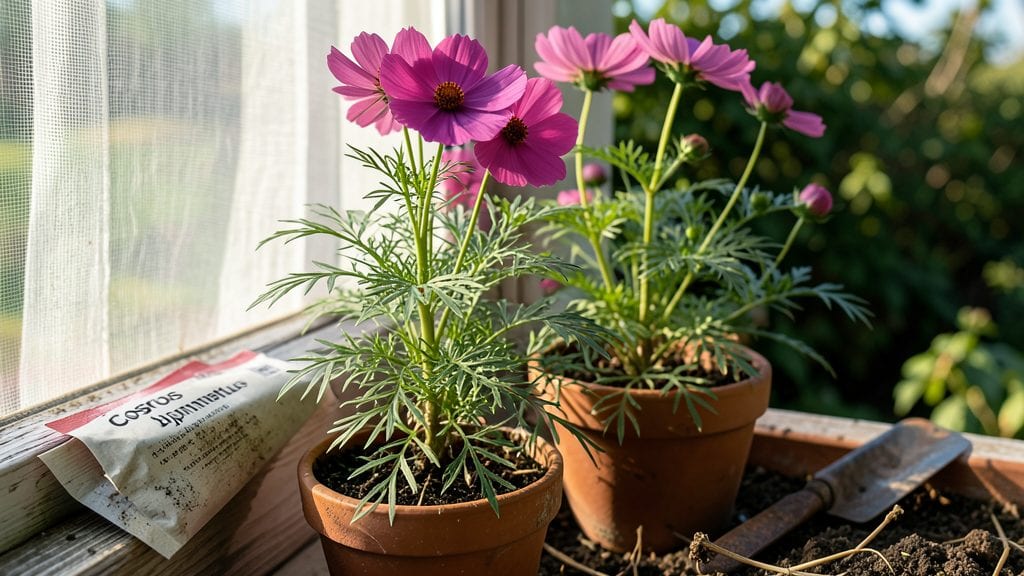
Growing cosmos flowers from seeds delivers shockingly lush blooms in just 60 days—no fuss, no drama. I’ve watched these airy, daisy-like flowers transform bare patches into vibrant clouds of color, and the best part? They thrive where other plants give up.
The secret lies in their love of warmth and neglect, not coddling. Start seeds indoors now, or wait until after your last frost to scatter them directly where you want those cheerful faces to appear by summer.
You’ll need 3 simple supplies: lightweight potting mix, a shallow tray or flat, and a sunny windowsill or grow light. Cosmos seeds germinate faster than you’d expect—often in just 5 to 7 days—so don’t overthink the soil.
A pinch of compost mixed in gives them a head start, but they’re tough enough to handle less-than-perfect conditions. Once the first true leaves appear, transplant them outdoors when nighttime temps stay above 50°F, and watch them shoot up 3 feet tall in a season.
By mid-summer, you’ll be snipping stems for bouquets that last forever in vases. The blooms keep coming until frost, and they attract butterflies like nobody’s business. The only real challenge? Keeping them from flopping in heavy rain—stake them early if your garden gets windy.
With proper spacing (12 to 18 inches apart), they’ll spread into a neighbor-jealousy display that requires almost no maintenance after the first few weeks.
Works in full sun or partial shade, in containers or garden beds, and even in poor soil. Once you’ve grown cosmos, you’ll never buy cut flowers again—they’re that easy. Here’s how to make it happen without a single worry.
📚 In This Guide
- What you need
- Instructions
- Tips and common mistakes
- Wrapping up and next steps
What you need
- ● Cosmos seeds – Choose from varieties like Cosmos bipinnatus or Cosmos sulphureus. Buy a packet with 50-100 seeds (they’re tiny but prolific!).
- ● Seed-starting mix or potting soil – A lightweight, well-draining blend (e.g., 50% peat moss, 50% perlite or vermiculite). Avoid garden soil unless amended.
- ● Containers or seed trays – For starting indoors: Small pots (3-4 inches deep) or a seed tray with individual cells (100+ cells for bulk starts).
- ● For direct sowing: A shallow tray or 6-inch pots (if transplanting later).
- ● Watering can or spray bottle – With a fine mist nozzle to avoid disturbing seeds.
- ○ Grow lights (optional but helpful) – A full-spectrum LED bulb (12-16 hours/day) if starting indoors before last frost.
- ● Garden gloves – To protect hands from soil and thorns (some cosmos varieties have tiny ones!).
- ● Sunny location – 6+ hours of direct sunlight daily (cosmos thrive in full sun!).
- ● Well-draining soil – Cosmos hate soggy roots! Amend heavy soil with compost or sand if needed.
- ○ Stakes or trellis (optional) – For taller varieties (like Cosmos bipinnatus), use 5-6 foot stakes to support stems.
- ○ Mulch (optional) – Straw or shredded leaves to retain moisture and suppress weeds.
- ● 🌡️ Temperature check: Cosmos seeds germinate best in soil temps above 60°F (15°C). Wait until after the last frost or start indoors 4-6 weeks early.
- ● ✨ Seed depth: Press seeds ¼ inch deep—they need light to sprout! No need to bury them.
- ● 💧 Watering hack: Keep soil consistently moist (not soggy) until seeds sprout, then water at the base to avoid fungal issues.
Step-by-Step instructions for growing cosmos flowers from seeds
Here's how to grow vibrant cosmos blooms with almost no fuss—just follow these simple steps.
Prepare the Soil and Plant Seeds Directly
Cosmos seeds thrive when sown directly in the garden, so skip the indoor starting. Choose a sunny spot with well-draining soil—cosmos hate soggy roots. Work in a handful of compost or the 1 pound of 10-10-10 fertilizer into the top 6 inches of soil to give your plants a nutrient boost. Scatter seeds about ¼ inch deep and 12 inches apart in rows 18 inches apart to allow airflow and prevent disease.
Lightly cover the seeds with soil and water gently but thoroughly. You'll see sprouts in 7-10 days if temperatures stay above 60°F. If your area gets chilly, wait until after the last frost—cosmos seeds won’t germinate in cold soil. The key here is patience; don’t disturb the soil until you spot those first green shoots.
Thin Seedlings for Stronger Plants
Once seedlings reach 2-3 inches tall, thin them to 12-18 inches apart—this gives each plant room to grow without competing for sunlight or nutrients. Use scissors to snip unwanted seedlings at soil level rather than pulling, which can disturb roots. Keep the strongest, most vigorous plants; they’ll produce the most abundant blooms.
Water the base of remaining seedlings deeply after thinning. Avoid wetting the leaves, as cosmos are prone to fungal issues in damp conditions. You’ll notice new growth within a week—that’s your signal everything is working. If seedlings look leggy or pale, they need more sunlight; move them to a sunnier spot immediately.
Maintain with Minimal Watering and Deadheading
Cosmos are drought-tolerant once established, so water only when the top 1-2 inches of soil feel dry. Overwatering leads to weak stems and fewer blooms. After the first flush of flowers appears in 60-70 days, deadhead spent blooms by pinching them off at the base. This encourages nonstop flowering all season long.
Fertilize lightly every 4-6 weeks with the remaining ½ pound of 10-10-10 fertilizer dissolved in water. Too much nitrogen makes cosmos grow lots of leaves but few flowers. If you notice yellowing leaves, reduce watering and check for pests like aphids—spray with water if needed, or use neem oil if infestations persist.
Enjoy Long-Lasting Blooms and Save Seeds
Cosmos flowers last 2-3 weeks once cut, making them perfect for bouquets. Harvest stems in the early morning when blooms are freshest. Leave some flowers on the plant, though—they’ll self-seed easily, often popping up in the same spot year after year. If you want to collect seeds for next season, let a few blooms mature fully and turn brown before harvesting.
Toward fall, you can cut back faded stems to encourage a final flush of blooms. Cosmos are cold-hardy and may reseed themselves, but if you want a tidy garden, pull up plants before they drop seeds. The real magic? These flowers attract pollinators all season, so your garden will stay lively and vibrant with almost no effort.
Tips & tricks for growing vibrant cosmos flowers
A few simple strategies will help you coax the most vibrant blooms from your cosmos seeds with minimal effort.
Soil Preparation Matters: The key to happy cosmos starts with soil prep in Step 1. Work that 1 pound of 10-10-10 fertilizer into the top 6 inches of soil to create a nutrient-rich zone where roots can thrive. I like to add a handful of compost too—this improves drainage while providing organic matter. If your soil is particularly heavy clay, consider mixing in some perlite or sand to ensure those roots don't suffocate. Remember, cosmos hate soggy roots, so well-draining soil is non-negotiable.
Timing is Everything: Those 7-10 days for germination in Step 1 can feel like forever, but patience pays off. The seeds need consistent warmth above 60°F to sprout. If you're in a cooler climate, wait until after your last frost date—cosmos seeds won't germinate in cold soil. I've found that planting after Memorial Day gives me the best results in most regions. Once you see those first green shoots, resist the urge to check daily—they're delicate and can be easily disturbed.
Thinning Technique: When you reach Step 2 and need to thin seedlings to 12-18 inches apart, use sharp scissors to snip at soil level rather than pulling. This prevents disturbing the roots of your remaining plants. I always keep the strongest, most vigorous seedlings—they'll produce the most abundant blooms. After thinning, water deeply at the base to help the remaining plants establish themselves. The new growth you'll see within a week is your reward for being patient.
Deadheading for Continuous Blooms: In Step 3, when your cosmos finally bloom after 60-70 days, the secret to nonstop flowers is deadheading. Pinch off spent blooms at the base to encourage more flowers. I like to do this in the early morning when the blooms are freshest. This simple step can double your flower production all season long. And here's a bonus tip: leave a few blooms to mature fully if you want to collect seeds for next year—they'll turn brown and dry out naturally.
Pro Tips for Cosmos Flowers Seeds
- A few simple strategies will help you coax the most vibrant blooms from your cosmos seeds with minimal effort.
- Soil Preparation Matters: The key to happy cosmos starts with soil prep in Step 1.
- Timing is Everything: Those 7-10 days for germination in Step 1 can feel like forever, but patience pays off.
Frequently asked questions
Got questions about growing cosmos flowers from seeds? You’re not alone! Here are answers to the most common queries to help you cultivate vibrant blooms with ease.
How long does it take for cosmos seeds to germinate?
Cosmos seeds typically germinate in 7–14 days after planting, especially in warm soil (60–70°F). Keep the soil moist but not soggy—patience pays off! If germination takes longer, check for consistent moisture and warmth.
Can I grow cosmos flowers in containers or only in gardens?
Cosmos thrive in containers as long as they have at least 6–8 inches of depth and well-draining soil. Use pots with drainage holes and place them in full sun for the best results. Just ensure they’re spaced 12–18 inches apart.
When is the best time to plant cosmos seeds?
Sow seeds directly outdoors after the last frost when soil is warm (around 55°F). For cooler climates, start seeds indoors 4–6 weeks before the last frost and transplant seedlings. Cosmos love heat—delaying planting can lead to slower growth.
What pests or diseases should I watch for with cosmos flowers?
Cosmos are generally low-maintenance, but keep an eye out for aphids, spider mites, or powdery mildew in humid conditions. Remove affected leaves promptly and ensure good airflow. Aphids? Spray with water or use neem oil for a natural fix!
Can I save cosmos seeds for next year?
Yes! Let some flowers go to seed (the papery seed heads will dry and split open). Collect the seeds, store them in a cool, dry place, and they’ll stay viable for 2–3 years. Easy peasy—no fancy equipment needed!
Wrapping up and next steps
Growing cosmos flowers from seeds is a rewarding journey that brings vibrant blooms to your garden in just 60 days—with minimal effort! These cheerful, low-maintenance flowers prove that stunning results don’t require a green thumb.
Whether you’re a beginner or a seasoned gardener, cosmos seeds offer a fast, forgiving, and beautiful way to transform your outdoor space.
Now that you’re armed with the right tips and tricks, it’s time to plant those seeds and watch your garden flourish! Start small, experiment with colors, and enjoy the process—your future cosmos blooms will thank you. 🌸✨