Trees
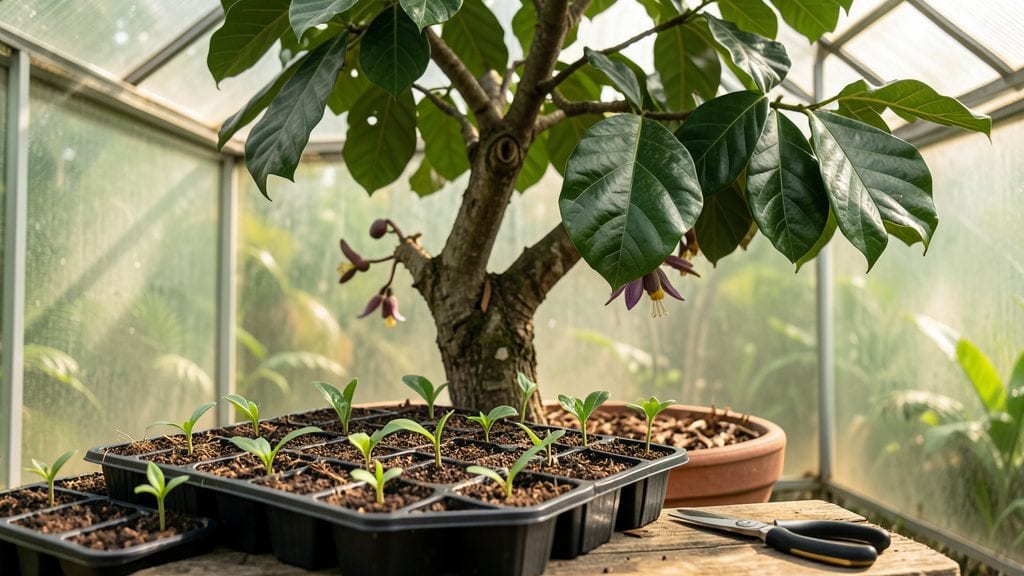
Cacao trees start life as tiny seeds inside those pods you know as chocolate, and their journey to maturity is where the real magic happens. 🌱 The soaking process is critical—it mimics natural fermentation and breaks dormancy, while the acidic, peat-based soil mimics their tropical rainforest habitat.
Without these precise conditions, seeds often rot before sprouting, so temperature and moisture control are non-negotiable. Even with perfect germination, the first few years are about establishing roots before you'll see any sign of those iconic heart-shaped leaves.
What makes this process fascinating is how closely tied it is to the tree's eventual productivity. A well-cared-for cacao tree can produce pods as early as 3-5 years, but only if you've maintained consistent humidity levels and protected it from pests like mealybugs.
The wait is worth it, though—imagine harvesting your own beans to make chocolate from scratch! The key is treating each stage like a science experiment, where small adjustments in care can mean the difference between a thriving tree and a sad, stunted plant.
💡 In This Article
- Germinating Cacao Seeds: Science and Best Practices
- Cacao Tree Care for Pod Production
Germinating cacao seeds: science and best practices
The cacao seed's journey begins with a biological process called dormancy, where the seed's natural defenses prevent premature sprouting. Fresh cacao beans contain polyphenols and tannins that act like a protective barrier, requiring a dormancy-breaking process.
Soaking seeds for 24-48 hours in water mimics natural fermentation while softening the seed coat and allowing water to penetrate. This process also activates enzymes that break down stored starches into sugars, fueling early root growth.
Without this preparation, seeds often fail to germinate because their hard outer shell blocks oxygen and moisture.
Soil composition is equally critical—cacao thrives in acidic, well-draining soil with a pH of 4.5-5.5, mimicking the nutrient-rich, organic matter found in tropical rainforests. A mix of peat moss, perlite, and coconut coir creates the ideal texture: loose enough for roots to penetrate but moisture-retentive enough to prevent dehydration.
The soil should feel like a damp sponge—too dry, and the seed desiccates; too wet, and it suffocates from lack of oxygen. Adding a thin layer of orchid bark further replicates the forest floor's natural aeration.
Temperature and humidity create the perfect germination environment: 70-80°F warmth and 80-90% humidity trigger metabolic activity in the seed. At these levels, enzymes work optimally to convert stored nutrients into energy for root development.
A clear plastic dome or humidity tray creates a mini-greenhouse effect, but ventilation is crucial—stagnant air promotes fungal growth like Phytophthora, which causes seed rot. Most gardeners overlook this balance, leading to moldy seeds that never sprout.
The key is daily checks: lift the cover for 10-15 minutes to prevent condensation buildup.
Common pitfalls often stem from impatience or improper technique. For instance, scarification (lightly sanding the seed coat) can help if soaking fails, but only use this for 5-10% of seeds—over-scarifying damages the embryo.
Another mistake is planting seeds too deeply (½ inch max), which starves them of light needed for photosynthesis. Even with perfect conditions, germination can take 1-3 months because cacao seeds prioritize root development over shoot growth.
This slow start is normal—think of it as the tree's way of establishing a strong foundation before emerging.
Once sprouts appear, they’ll have two large, papery cotyledons (seed leaves) that look like tiny, translucent wings. These store the last of the seed's nutrients while the first true leaves develop.
Here’s what’s happening: the seedling taps into the soil's microbial network for nitrogen fixation, a process that takes 4-6 weeks to fully activate. During this phase, avoid disturbing the roots—even gentle transplanting can shock the delicate system.
The real test comes when the first heart-shaped leaves appear, signaling the tree is ready for its next growth phase.