
Featured
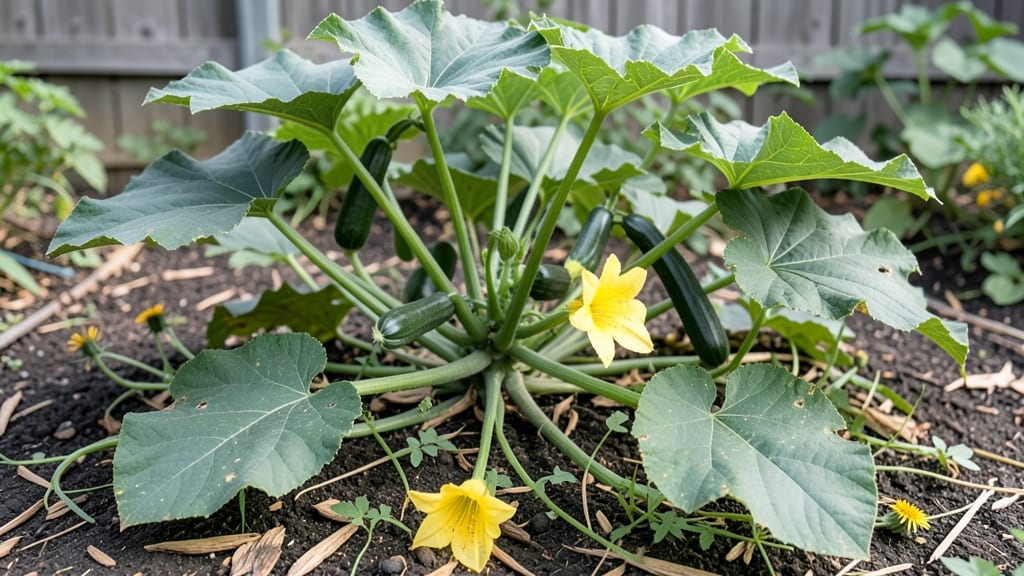
Chickens can eat zucchini seeds safely in moderation, as they’re non-toxic and provide fiber, though they should not replace balanced feed. Always introduce new foods gradually to avoid digestive upset.
Zucchini seeds offer chickens a natural fiber source that supports digestion, though they lack significant protein. 🌱 Unlike larger seeds like pumpkin or sunflower, these tiny seeds pose a choking risk if fed whole—crushing them slightly first helps.
I’ve found that mixing them into scratch grains or offering them as a rare treat works best, while avoiding pesticide-treated seeds is crucial to prevent toxicity.
For best results, limit seed treats to 10% of their diet and always monitor for any signs of discomfort. Chickens love the crunch, but their nutritional value is secondary to their balanced feed. Think of these seeds as a fun garnish rather than a staple!
💡 In This Article
- Zucchini Seed Nutrition for Chickens
- Safe Ways to Feed Zucchini Seeds to Chickens
Zucchini seed nutrition for chickens
Zucchini seeds pack a modest nutritional punch for chickens, offering about 18-20 calories per tablespoon with roughly 3 grams of fiber—a valuable aid for digestion.
They contain small amounts of minerals like magnesium (35mg per tablespoon) and zinc (0.7mg), which support immune function and feather health. However, their protein content is negligible (2 grams per tablespoon), making them more of a supplemental treat than a dietary staple. 🌱
The real value lies in their fiber content, which helps regulate gut motility and prevent crop impaction—a common issue in chickens. This is particularly beneficial for older birds or those transitioning to new feed types.
Compared to pumpkin seeds (which contain 19 grams of protein per 100g), zucchini seeds fall short, but they offer a safer alternative for smaller chickens that might struggle with larger seeds.
Sunflower seeds, while protein-rich (21 grams per 100g), are much higher in fat and should be fed sparingly.
Here's what happens when chickens consume these seeds: The fiber content promotes healthy gut bacteria growth, similar to how humans benefit from insoluble fiber in vegetables.
However, the seeds' small size means they can become lodged in a chicken's crop or throat if not properly prepared, leading to potential choking hazards. This is especially true for young chicks or breeds with smaller throats, like bantams.
The hard outer shell also requires more chewing, which can help keep their beaks healthy but may cause discomfort if fed in excess.
Another key consideration is the seed-to-pulp ratio. Zucchini seeds make up only about 10% of the fruit's weight, while the rest is water and soft flesh. When feeding seeds, you're essentially giving chickens a concentrated form of the fruit's nutrients without the hydration benefits.
This is why it's important to always provide fresh water alongside seed treats. The seeds' natural oils also have a slightly bitter taste that some chickens may not enjoy as much as sweeter garden scraps.
For comparison, here's how zucchini seeds stack up against other garden seeds chickens can eat:
- Pumpkin seeds: Higher in protein (19g per 100g) and zinc (6.6mg per 100g), but larger and harder to digest
- Sunflower seeds: Extremely high in fat (50g per 100g) and calories, best as occasional treats
- Watermelon seeds: Similar fiber content but contain cucurbitacins (mild toxins) in some varieties
The key takeaway is that zucchini seeds serve as a safe, fiber-rich supplement rather than a complete nutritional source. Their benefits are most apparent when used as part of a varied diet that includes other seed types, vegetables, and proper chicken feed. 💫