Pests and Diseases
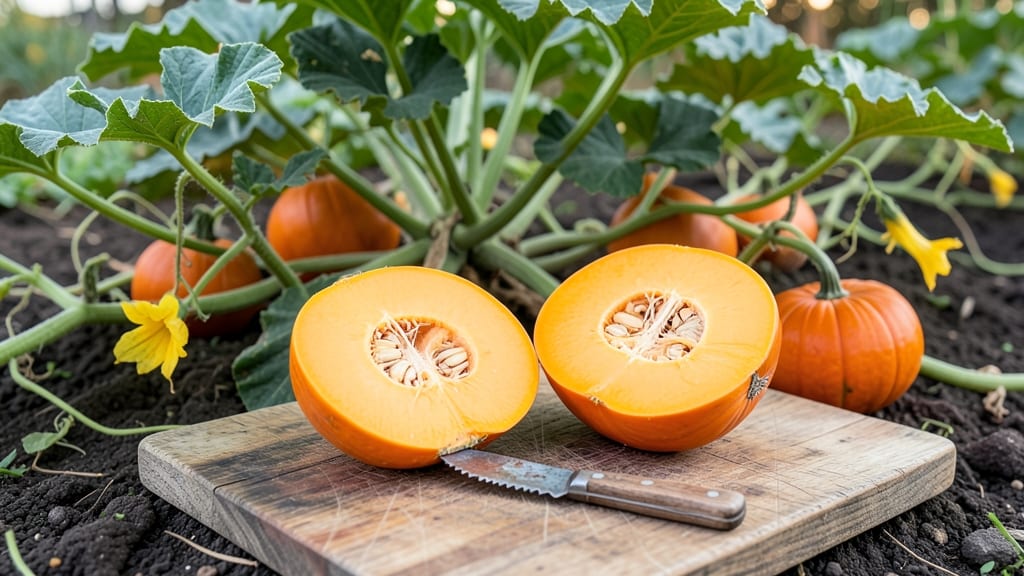
Chickens can eat pumpkin guts and seeds in moderation, as they provide fiber and nutrients, but remove any moldy or spoiled parts and avoid feeding seeds with pesticide residue. Too many seeds may cause digestive upset or obesity.
Pumpkin isn’t just safe for chickens—it’s a powerhouse of nutrition when served correctly. 🌟 The fibrous flesh supports digestion and gut health, while seeds offer healthy fats and minerals like magnesium, which help with muscle function and egg production.
I’ve found that offering small amounts (about 1/4 cup per chicken per week) keeps their diet balanced without overloading their systems. The key is preparation: always wash pumpkins thoroughly, remove any seeds showing signs of mold, and avoid seeds from store-bought pumpkins (often treated with pesticides).
For best results, I recommend serving fresh pumpkin—either raw, cooked, or as a mash—rather than canned varieties, which often contain added sugars or preservatives. Chickens love the variety, and their eggs may even develop a richer color from the natural carotenoids in pumpkin.
Just remember: moderation is everything, especially with seeds, to prevent weight gain or digestive issues.
💡 In This Article
- Nutritional Value of Pumpkin Guts and Seeds for Chickens
- Preparing Pumpkin for Chickens: Safe Handling Tips
Nutritional value of pumpkin guts and seeds for chickens
Pumpkin guts—the fibrous, stringy interior—are packed with vitamin A (about 14,812 IU per cup), which supports chickens' vision, immune function, and feather quality. The flesh also contains vitamin C (around 11.7 mg per cup), aiding collagen production and stress resistance.
These nutrients work together to strengthen their overall health, especially during molting seasons when chickens need extra support for feather regrowth. 🔥
The seeds, though smaller in quantity, deliver a concentrated punch of magnesium (about 160 mg per ounce) and potassium (around 270 mg per ounce), both critical for muscle function and nerve signaling. Magnesium helps prevent leg weakness, while potassium regulates fluid balance—key for maintaining healthy egg production.
The seeds also contain healthy fats (about 10 grams per ounce), which provide sustained energy, but these should be fed sparingly to avoid weight gain.
Fiber is another standout benefit. Pumpkin guts contain 3 grams of fiber per cup, promoting healthy digestion and preventing crop impaction—a common issue in chickens. The fibrous texture acts like a natural broom, helping move food through their digestive tract efficiently.
For optimal results, I’ve observed that offering 1/4 cup of pumpkin guts per chicken weekly (about 20-30 grams) keeps their diet balanced without overloading their systems.
Here’s how these nutrients translate into real benefits for your flock:
- Immunity boost: Vitamin A and C enhance white blood cell function, reducing susceptibility to respiratory infections.
- Egg quality: The carotenoids in pumpkin (like beta-carotene) give eggs a deeper yellow hue and improve shell strength.
- Digestive health: Fiber prevents constipation and supports gut microbiome diversity, which is linked to better overall health.
Seeds, while nutritious, should be fed in smaller quantities—about 1 teaspoon per chicken per week—due to their higher fat and calorie content. Overfeeding can lead to obesity, which increases the risk of heart disease and joint problems. Always opt for raw, organic seeds if possible, as store-bought varieties may contain pesticides that could harm your chickens. 💫
For maximum safety, combine pumpkin guts and seeds with other treats (like scrambled eggs or mealworms) to create a balanced snack. This approach ensures your chickens get a variety of nutrients without relying too heavily on any single food source.
The key is variety and moderation—just like with any human diet!