Lawn
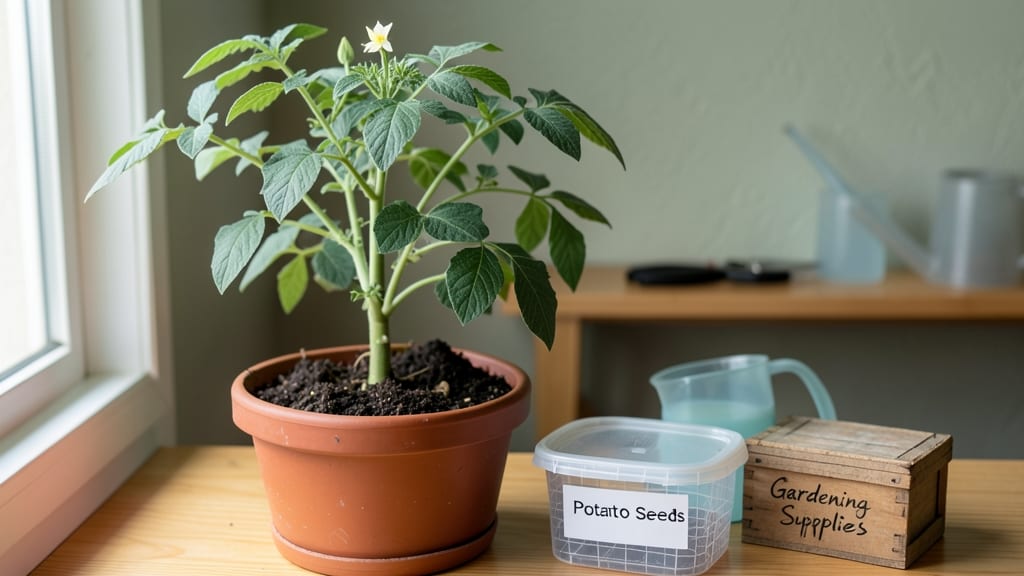
Mastering potato seed storage is the secret to saving your harvest—and ensuring next year’s bumper crop instead of wasted tubers. ✨ I’ve learned that a simple cold-dark cure—keeping them cool, dry, and in the dark—prevents sprouting and keeps them healthy for planting.
The right setup is all about temperature control, airflow, and avoiding moisture, which turns seed potatoes into mush.
You’ll need a dark, cool spot (like a basement or root cellar) around 40–50°F, a breathable container (like a mesh bag or wooden crate), and a little patience. Most people overlook humidity—too much dampness causes rot, while too little makes the potatoes shrivel.
A 3–6 month storage period is ideal for most varieties, but some can last even longer with the right conditions.
By spring, you’ll pull out firm, unsprouted seed potatoes ready for planting. The skin stays intact, the eyes remain dormant, and you avoid the heartbreak of moldy tubers. This method works for both heirlooms and commercial varieties, ensuring your garden starts with the best possible foundation.
Even small mistakes—like storing them in plastic or near onions—can ruin your seed stock. I’ll show you how to avoid those pitfalls and keep your potatoes viable until planting season rolls around again.
📚 In This Guide
- What you need
- Instructions
- Tips and common mistakes
- Wrapping up and next steps
What you need
- ● Potato seeds: 1–5 lbs (adjust based on your garden size; save only disease-free, high-quality tubers).
- ● Storage containers: 1–2 mesh bags (paper or breathable fabric, 10–15 gallons) or
- ● 1–2 cardboard boxes (lined with newspaper or paper towels).
- ● Newspaper or paper towels: Enough to line containers (absorbs moisture and prevents rot).
- ● Plastic wrap or breathable cloth: Lightly covers seeds to block light but allows airflow.
- ● Permanent marker: For labeling containers with seed variety and date.
- ○ Small fan (optional): Helps circulate air in humid climates.
- ○ Hygrometer (optional): Monitors humidity levels (ideal: 60–70% RH).
- ○ Thermometer (optional): Ensures consistent temps (40–50°F).
- ● Clean, dry workspace: Avoid damp or mold-prone areas.
- ● Cool, dark storage spot: Basement, root cellar, or garage (avoid refrigerators!).
- ● Patience: Seeds need 4–6 weeks of curing before storage.
- ● Disease-free seeds: Discard any sprouted, green, or blemished tubers.
Step-by-step instructions for proper potato seed storage
Here's the precise method I've used for years to save healthy, disease-free seed potatoes.
🪴 Step 1: Cure Potatoes in Warmth and Darkness
After harvest, place whole potatoes in a 60-65°F environment for 1-2 weeks. This "curing" period thickens their skins and builds natural resistance. I use the back of my pantry closet where temperature stays steady and light never reaches them. Avoid refrigeration—cold converts starches to sugars, making them unsuitable for planting.
Check weekly for any soft spots or sprouting. Discard any potatoes showing signs of rot or disease immediately. Healthy seed potatoes should feel firm with no wrinkling. This curing step is critical—skipping it leads to poor germination rates next spring.
⏰ Step 2: Store in Ideal Conditions
After curing, move potatoes to a cool, dark location between 40-50°F with high humidity. A well-ventilated basement corner or root cellar works perfectly. I store mine in open cardboard boxes or burlap sacks—never sealed containers, as trapped moisture causes rot.
Check monthly for sprouting. If you see green shoots, move them to a slightly warmer spot (50-55°F) to encourage uniform growth. Avoid temperature fluctuations—sudden warmth breaks dormancy too early, while cold can kill developing sprouts. This balance ensures strong, disease-resistant seed potatoes ready for planting.
🌱 Step 3: Prepare for Planting in Early Spring
About 6-8 weeks before your last frost date, move potatoes to a 50-55°F area with indirect light. This gradual warming triggers consistent sprouting. I place them on a shelf near my kitchen window where they get morning sun but no direct afternoon heat.
Inspect for any soft or shriveled potatoes—discard these as they won't grow well. Healthy seed potatoes should have 1-2 inch sprouts by planting time. If sprouts are too long, cut them back to ½ inch to prevent transplant shock. This final preparation step ensures your seed potatoes enter the growing season strong and ready to produce.
🌿 Step 4: Plant with Confidence
When soil reaches 55°F and all frost danger has passed, plant your cured seed potatoes 4-6 inches deep with sprouts facing upward. Space them 12-15 inches apart in rows 3 feet apart for proper air circulation. I always plant slightly deeper in sandy soil to protect against erosion.
Water immediately after planting to settle the soil and encourage root establishment. Mulch with 2-3 inches of straw to retain moisture and regulate soil temperature. This careful planting ensures your stored seed potatoes translate into a vigorous, productive harvest.
Tips & tricks for perfect potato seed storage
Here's what nobody tells you about saving your seed potatoes like a pro—these tricks make all the difference between healthy sprouts and wasted effort.
Temperature Matters: The 60-65°F curing range is non-negotiable for that perfect skin thickening. I've ruined batches by storing them too cold—below 55°F turns starches to sugars, and the potatoes become unsuitable for planting. Use a thermometer in your storage spot to confirm the range. If your basement runs cooler, consider a temperature-controlled closet or even a heated garage during winter months.
Storage Wisdom: Ventilation is your best friend during long-term storage. I've learned the hard way that sealed containers trap moisture, leading to rot. Opt for open cardboard boxes or burlap sacks that allow airflow while protecting from light. If you must use plastic, poke holes for circulation—just don't seal them completely. This simple adjustment can extend your storage life by months.
Sprout Management: When you see those first green shoots in Step 2, it's time to act. Move them to 50-55°F to encourage uniform growth, but don't rush this process. I've seen potatoes develop uneven sprouts when moved too quickly to warmer conditions. The goal is gradual acclimation—think of it like waking up slowly from hibernation. For overly long sprouts in Step 3, trim back to ½ inch to prevent transplant shock, but never cut into the potato itself.
Soil Preparation Insight: The 55°F soil temperature check in Step 4 is crucial, but don't stop there. I always test my soil's moisture too—it should be workably moist but not soggy. Amend sandy soil with compost before planting to improve water retention, as mentioned. This extra step ensures your carefully stored seed potatoes get off to the right start without stress from dry conditions.
Pro Tips for Potato Seed Storage
- Here's what nobody tells you about saving your seed potatoes like a pro—these tricks make all the difference between ...
- Temperature Matters: The 60-65°F curing range is non-negotiable for that perfect skin thickening. I've ruined batches...
- Storage Wisdom: Ventilation is your best friend during long-term storage. I've learned the hard way that sealed conta...
Frequently asked questions
Got questions about storing potato seeds for next season?
You’re not alone! Proper storage ensures healthy sprouts and a thriving harvest. Here are answers to the most common concerns—plus a few pro tips to keep your seeds in top shape.
How long can I store potato seeds before they go bad?
With the right conditions, potato seeds can last 3–5 years! However, viability drops after the first year—aim for planting within 12 months for the best germination rates. Test a few seeds annually to check their freshness by placing them in warm water; if they sprout within 2 weeks, they’re still good to go!
What’s the best temperature for storing potato seeds?
Keep them cool but not freezing—ideal temps are 35–40°F (2–4°C). A root cellar, unheated garage, or even a refrigerator’s crisper drawer works perfectly. Avoid humidity or temperature swings, which can trigger early sprouting or rot. Pro tip: Store them in a breathable paper bag or mesh sack to prevent condensation!
Can I store potato seeds in the fridge or freezer?
Fridges are fine (35–40°F), but never freeze them—ice crystals damage cells and reduce germination. If your fridge feels too damp, toss in a silica gel packet or a dry towel to absorb excess moisture. For long-term storage (beyond 2 years), a cool, dark basement or root cellar is your best bet.
What if my stored potatoes sprout too early?
Early sprouting usually means too much light or warmth. Move them to a darker, cooler spot immediately. If sprouts are small, you can still plant them—just trim the greens before storing. For stubborn sprouts, try re-storing them in a paper bag with a few apple slices (ethylene gas slows growth) or a damp cloth to refresh moisture levels.
Are there alternatives to traditional seed saving?
Yes! If you lack storage space, try short-term methods like:
- Sand storage: Bury seeds in dry sand (50/50 mix) in a sealed container—keeps them cool and dry.
- Vacuum-sealed bags: Remove all air before sealing to extend shelf life by up to 5 years.
- Commercial seed banks: Some nurseries offer long-term seed storage services for heirloom varieties.
Wrapping up and next steps
Storing potato seeds properly is your secret weapon for a thriving garden next season! By following the cold-dark cure method—controlling temperature, humidity, and light—you’ll protect your seeds from sprouting and disease. A little prep now means healthier plants, bigger yields, and less waste come planting time.
Ready to put your new knowledge to work? Grab those spuds, prep your storage space, and get organized before harvest! Your future harvest (and wallet) will thank you. 🌱