Picking
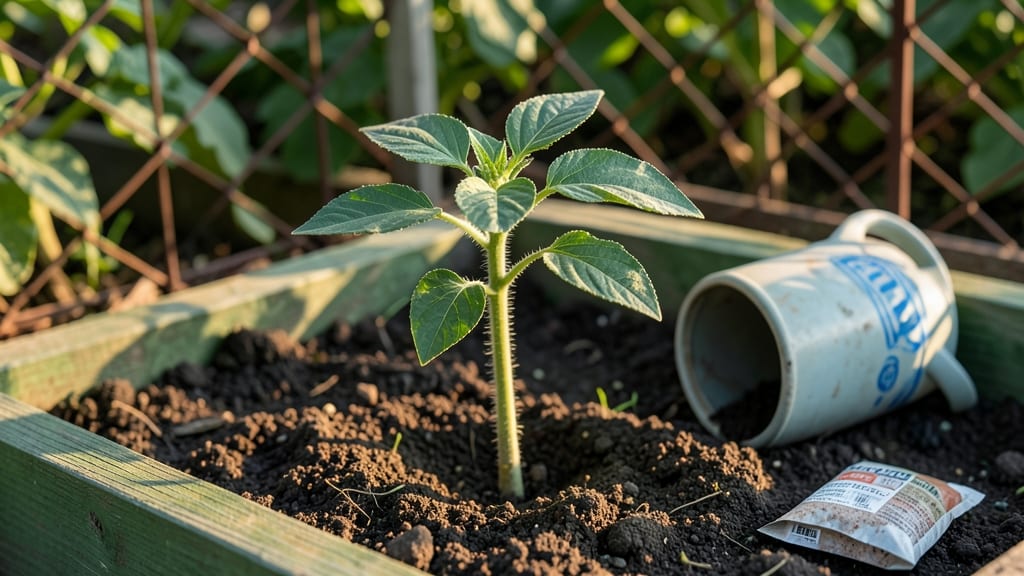
The identification of pepper seedlings by leaf shape and color saves you from guessing which fiery jalapeño you planted instead of that sweet bell pepper—here’s how to tell them apart. 🌱 I’ve stared at dozens of tiny seedlings, squinting at the difference between a rounded bell pepper... leaf and the jagged edges of a habanero’s—until I cracked the pattern.
The secret lies in those first true leaves, where shape and hue reveal everything.
Start by checking leaf edges: bell peppers have smooth, lobed leaves, while hot peppers like jalapeños or habaneros show serrated, almost feathery edges. Stem color matters too—bell pepper stems stay green, but hot peppers often develop a faint purple tint.
Weak seedlings, meanwhile, have yellowing leaves or stunted growth, signaling overwatering or poor light.
Once you’ve matched the leaves to the right variety, you’ll know exactly which seedlings to transplant. Healthy ones will have sturdy stems and vibrant leaves, ready to thrive in your garden. The payoff? No more surprises when you harvest—just the peppers you planted, exactly where you want them.
This works for any pepper variety, whether you’re growing from seed packets or saving your own. Next up: how to keep those identified seedlings strong until transplant time. Let’s get growing!
Root Causes of Misidentifying Seedlings
When it comes to pepper seedling identification, even the most seasoned gardeners can stumble—especially if seedlings don’t look quite right. Misidentification often stems from a mix of biological quirks, environmental stress, and human error.
Understanding why these mix-ups happen helps you spot clues more accurately and avoid costly mistakes. Below, we break down the science behind common pitfalls.
Pepper plants, like all living things, exhibit genetic polymorphism—meaning their early traits can vary wildly even within the same variety. Here’s why:
- Juvenile vs. Mature Traits: Seedlings often display heterophyll (different leaf shapes) as they mature. For example, a bell pepper seedling might start with jagged, serrated leaves before developing the classic smooth, heart-shaped foliage. If you judge too early, you might mislabel it as a jalapeño or habanero.
- Hybrid Inconsistency: F1 hybrid seeds (like those from commercial packs) are bred for uniformity, but their offspring can revert to parent traits. A "Sweet Banana" hybrid might produce a seedling with striped leaves if one parent contributed recessive genes.
- True Breeding vs. Heirlooms: Heirloom varieties (open-pollinated) are more likely to show phenotypic plasticity—meaning their seedlings can look drastically different until they flower. A "Carolina Reaper" seedling might initially resemble a mild bell pepper before its true heat and color emerge.
Actionable Tip: Wait until seedlings have 4–6 true leaves (not cotyledons—the first two "seed leaves") before attempting identification. Use a pepper leaf key to compare shapes, but cross-check with expected flower or fruit traits later.
Stress from temperature, light, or moisture can alter leaf color and shape, making seedlings look like entirely different varieties. Here’s how:
| Stress Factor | How It Affects Seedlings | Example Misidentification Risk |
|---|---|---|
| Cold Stress (Below 50°F) | Leaves turn purplish-red due to anthocyanin buildup (a natural sunscreen pigment). Stunted growth and darker veins may appear. | A "Black Beauty" eggplant seedling might look like a "Purple Beauty" pepper if chilled. |
| Overwatering (Poor Drainage) | Yellowing (chlorosis) between veins, often starting in older leaves. Roots may rot, causing stunted, misshapen growth. | A "Jalapeño" seedling with yellow leaves could be mistaken for a nutrient-deficient "Anaheim" instead of a waterlogged plant. |
| Low Light (Leggy Growth) | Seedlings stretch (etiolation) toward light, producing long, pale stems and small, thin leaves. Color may fade to pale green or yellow. | A "Shishito" seedling grown under a weak grow light might resemble a "Banana" pepper due to its elongated shape. |
| High Heat (Above 90°F) | Leaves may curl upward or develop crinkled edges (a drought response). Some varieties, like "Ghost Pepper," naturally have wavy leaves, but heat exaggerates this. | A heat-stressed "Poblano" could be confused for a "Fish Pepper" due to leaf texture. |
Pro Tip: Keep seedlings in consistent conditions (65–75°F, bright but indirect light) for 2–3 weeks before identifying. If stress is suspected, adjust care and monitor for recovery signs (e.g., new leaves returning to normal color).
Pathogens and pests can alter leaf appearance in ways that mimic pepper variety traits. Common culprits include:
- Fungal Infections (e.g., Early Blight):
- Symptoms: Target-like spots with concentric rings (often brown/yellow) on leaves.
- Why It’s Confusing: Spots can resemble the speckled leaves of varieties like "Pepperoncini" or "Shishito."
- Viral Diseases (e.g., Tobacco Mosaic Virus):
- Symptoms: Mosaic patterns (light/dark green patches), stunted growth, or distorted leaves.
- Why It’s Confusing: Patterns may resemble the variegation of heirloom varieties like "Solar Fire" or "Rainbow Mix."
- Insect Damage (e.g., Aphids, Spider Mites):
- Symptoms: Holes, stippling, or webbing on leaves. Heavy infestations cause curling or yellowing.
- Why It’s Confusing: Hole damage might make a "Serrano" seedling look like a "Fish Pepper" (which has naturally jagged leaves).
Actionable Fix:
- Isolate affected seedlings to prevent spread.
- Inspect undersides of leaves and stems for pests (use a magnifying glass).
- Compare symptoms to pepper disease charts—healthy varieties won’t have systemic issues (e.g., yellowing in new growth).
The most overlooked cause? You. Even with the right tools, biases and oversights lead to misidentification. Common mistakes include:
- Focusing Only on Leaf Shape: Pepper varieties share similar leaf structures (e.g., most have lanceolate or ovate leaves). Without considering leaf serration, color, or texture, you might confuse a "Padron" (smooth edges) with a "Thai Chili" (finely serrated).
- Ignoring Growth Habits: Bush vs. trailing varieties (e.g., "Big Jim" vs. "Achyote") can look identical in seedling stage. Pay attention to stem thickness and node spacing.
- Over-Reliance on Color: Anthocyanins (pigments causing red/purple hues) are common in stress but also natural in varieties like "Purple Beauty." Without knowing the expected maturity color, you might dismiss a healthy seedling.
- Not Cross-Referencing Traits: A single trait (e.g., leaf shape) isn’t enough. Use a checklist:
- Leaf serration (smooth, jagged, lobed)
- Color (solid green, purple, variegated)
- Stem hairiness (glabrous vs. pubescent)
- Expected flower/fruit traits (e.g., bell peppers have white flowers; chilis often have white/yellow).
Pro Tip: Take
Quick Fixes for Common Seedling Struggles
Got a pepper seedling that’s not quite what you expected? Whether it’s stunted growth, odd colors, or strange shapes, these targeted fixes will help you diagnose and revive your plants—fast. Below, we’ve mapped the most common issues to simple solutions, plus prevention tips to keep your seedlings thriving.
---
Cause: Too much water (root rot) or lack of nitrogen, iron, or magnesium. Fix It: - 💧 Check the soil: Stick your finger 1 inch deep—if it’s soggy, hold off on watering. Yellowing between veins? It’s likely iron deficiency (chlorosis). - ⚗️ Fertilize smart: Use a balanced liquid fertilizer (10-10-10) for nitrogen or a chelated iron supplement for chlorosis. Follow label rates—more isn’t better! - 🌞 Boost light: Move seedlings to a south-facing window or under grow lights (12–16 hours/day). Weak light starves plants, turning leaves pale.
Prevention Tips: ✔ Water only when the top inch is dry—use a moisture meter if unsure. ✔ Avoid cold water—use room-temperature water to prevent shock. ✔ Rotate seedlings weekly for even light exposure.
---
Cause: Seedlings stretching (etiolation) from lack of light or overcrowding. Fix It: - 🔦 Increase light ASAP: If using natural light, supplement with LED grow lights (6–12 inches above seedlings). For leggy stems, bury ⅔ of the stem in soil to encourage new root growth. - 🌿 Thin out seedlings: If plants are touching, snip the weakest at the base with clean scissors. Space remaining seedlings 2–3 inches apart. - 🌡️ Adjust temperature: Keep seedlings in a warm (70–75°F) but not hot spot. Drafts or cold windowsills slow growth.
Prevention Tips: ✔ Start with proper spacing—sow seeds in individual pots or use seedling trays with dividers. ✔ Use reflective surfaces (like aluminum foil under trays) to bounce light upward. ✔ Hardening off early: Gradually expose seedlings to outdoor conditions after 2 weeks to toughen them up.
---
Cause: Aphids, spider mites, or slugs feasting on tender leaves. Fix It: - 🔍 Identify the pest: - Tiny holes? Likely slugs or snails—set out beer traps (bury a cup filled with beer) or use diatomaceous earth around the base. - Sticky residue? Aphids—blast them off with a soapy water spray (1 tsp mild soap per quart of water). - Fine webbing? Spider mites—wipe leaves with neem oil (1 tsp per liter of water) or introduce predatory mites. - 🛡️ Prevent future attacks: - Cover seedlings with floating row covers if pests are recurring. - Rotate crops next season to disrupt pest life cycles.
Prevention Tips: ✔ Inspect new plants before bringing them indoors. ✔ Encourage beneficial insects like ladybugs (they eat aphids!). ✔ Avoid over-fertilizing—soft, fast-growing leaves attract pests.
---
Cause: You might have cross-pollinated seeds or mixed up varieties (e.g., bell vs. jalapeño). Fix It: - 🔎 Compare with a guide: Use a pepper leaf ID chart (like this one) to match shapes: - Bell peppers: Broad, heart-shaped leaves. - Hot peppers (jalapeño, habanero): Narrower, serrated edges. - Hybrids: Often have uneven lobes or curly edges. - 🌱 Let it grow: Some leaves change shape as the plant matures—wait until flowering for a clearer ID. - 🌶️ Test the heat: If unsure, taste a ripe pepper (safely!) or use a pH test strip—hot peppers have higher acidity.
Prevention Tips: ✔ Buy seeds from reputable sellers—avoid "mystery packets." ✔ Label seedlings immediately with variety names and dates. ✔ Isolate pepper types if cross-pollination is a concern (e.g., keep hot and sweet peppers separate).
--- Pro Tip: 💡 When in doubt, take photos! Snap pictures of leaves, stems, and flowers, then compare them to online forums (like GardenWeb) for second opinions. Many gardeners have spotted the same varieties and can help confirm your ID.
Frequently asked questions
How do I tell bell pepper seedlings apart from hot pepper seedlings?
Bell pepper seedlings typically have smooth, rounded leaves with shallow lobes, while hot pepper varieties like jalapeños or habaneros show narrower, serrated edges. Check the stem too—bell pepper stems stay green, while hot peppers may develop a faint purple tint. Wait until seedlings have 4-6 true leaves for the most accurate identification.
Can I identify pepper varieties just from the first leaves?
No, the first two leaves (cotyledons) look similar across all pepper varieties. You need to wait for the true leaves (the third set) to appear, which develop unique shapes and serration patterns. Early identification is tricky—focus on leaf edges, color, and stem characteristics instead of size.
What does it mean if my pepper seedlings have purple stems?
Purple stems are normal for some hot pepper varieties like habaneros or purple beauties, but they can also signal cold stress in any pepper type. If your seedlings are otherwise healthy, it's likely genetic. However, if combined with stunted growth or yellowing leaves, move them to a warmer location (70-75°F) and provide more light.
How can I tell if my pepper seedlings are healthy?
Healthy seedlings have vibrant green leaves, sturdy stems, and no yellowing or spots. Check for strong root growth by gently tugging—if they resist, roots are healthy. Weak seedlings may have yellowing between veins (nutrient deficiency) or soft, mushy stems (overwatering).
Why do some of my pepper seedlings look different from the seed packet description?
Seedling traits can vary due to genetic polymorphism or environmental stress. Hybrid seeds may revert to parent traits, while heirloom varieties show more variation. Wait until flowering stage for definitive identification, as leaf shapes often change as plants mature. Compare with a pepper leaf identification chart for visual confirmation.